




A new study has revealed Aboriginal people in Tasmania used fire to manage and modify the landscape thousands of years earlier than previously estimated.
Jointly completed by researchers from the Australian National University (ANU) and the UK's Cambridge University, the study found evidence of humans using fire to shape Tasmania's landscape more than 41,000 years ago, approximately 2,000 years earlier than previously estimated.
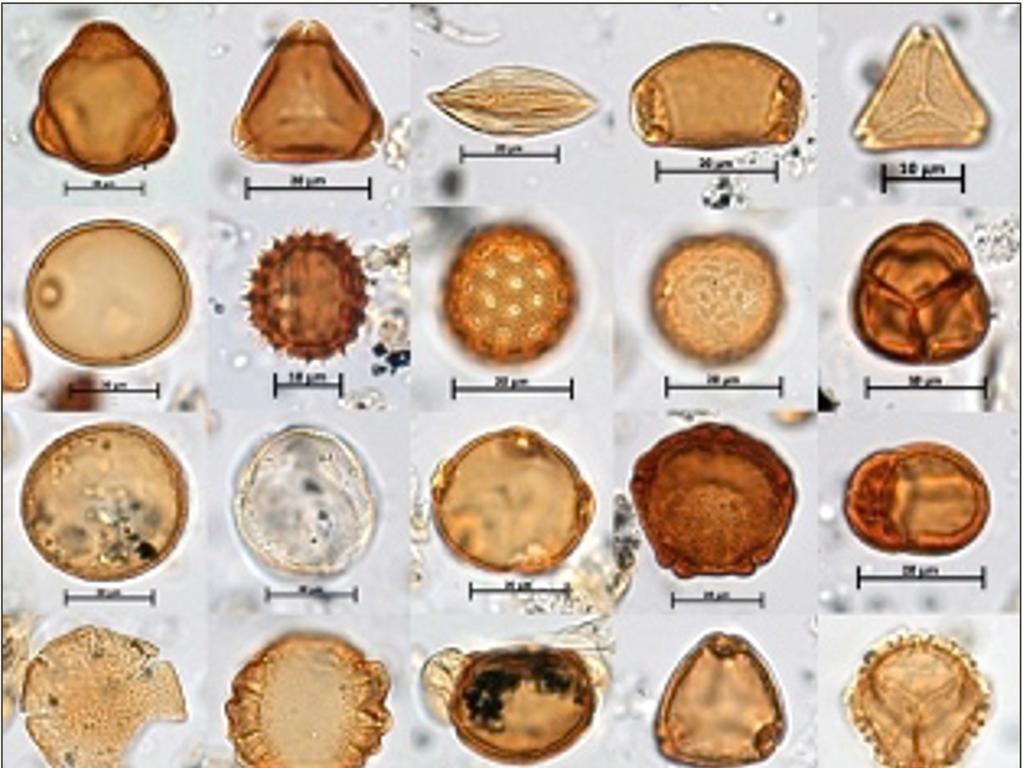
To determine the timeframe, researchers examined charcoal and pollen contained in mud on Clarke Island, located south of Cape Barren Island.
Analysis of the ancient mud showed a sudden increase in charcoal approximately 41,600 years ago followed by a major change in vegetation approximately 40,000 years ago, determined by differing types of pollen in the mud.
Cambridge's University's Dr. Matthew Adeleye, the study's lead author, said previous studies have shown Aboriginal communities on mainland Australian used fire to shape their habitats, however similarly detailed environmental records for Tasmania hadn't previously been collected.
"This suggests these early inhabitants were clearing forests by burning them, in order to create open spaces for subsistence and perhaps cultural activities." Dr Adeleye said, as reported by Phys.org.
"Fire is an important tool, and it would have been used to promote the type of vegetation or landscape that was important to them."
The study, reported in the journal Science Advances, suggests Tasmania's early Aboriginal communities used fire to penetrate dense, wet forest to modify for their own use, results researchers say points to Aboriginal people's long-term connection to Country which could inform landscape management in 21st century Australia.
"These early Tasmanian communities were the island's first land managers," Dr Adeleye said.
"As natural habitats adapted to these controlled burnings, we see the expansion of fire-adapted species such as Eucalyptus, primarily on the wetter, eastern side of the Bass Strait islands.
"If we're going to protect Tasmanian and Australian landscapes for future generations, it's important that we listen to and learn from Indigenous communities who are calling for a greater role in helping to manage Australian landscapes into the future."
Although separated from the Australian mainland by Bass Strait, Tasmania was connected to mainland Australia by a land bridge up until approximately 8,000 years ago following the end of the last ice age.
Researchers say the mud analysed from Clarke Island, part of the Furneaux Islands group north-east of mainland Tasmania would have formed part of this land bridge.
Lead author and palaeoecologist at the ANU, Professor Simon Haberle, said the evidence gives Aboriginal people a "seat at the table" about how to best manage Tasmania's landscape in the future.
"It signifies that the landscapes we live in today are a legacy of that very long custodianship from Aboriginal people," Professor Haberle said, via The Mercury.
"Many of the changes we see in the environment whether it be climate change or the removal of cultural burning tradition on land, these changes are causing quite dramatic impacts on the modern day landscape."
Professor Haberle said samples contain sediment generally date back 1,000-10,000 years ago, not 50,000 years in the case of the Clarke Island site.



