




The healthcare provided to an Aboriginal man who died at a New South Wales prison fell "well short of an appropriate level," a coroner has found, but concluded there was no breach of NSW correctional policies.
Awabakal man Michael Raymond Baker died in custody in Lithgow Correctional Centre as a result of cardiac arrhythmia on June 25, 2019, deputy state coroner David O'Neil has found.
The 44-year-old, who lived with an intellectual disability, died alone in his cell.
In presenting his findings on Thursday, Mr O'Neil said the treatment of Mr Baker fell short of the appropriate level, noting he had not been seen by a GP for a series of serious ailments causing him great pain, including a toenail issue and diabetes, despite repeatedly asking for care.
"Michael's extremely painful feet were never attended to," he said in his findings.
Furthermore, regular blood pressure checks - in reference to Mr Baker's diabetes - were not performed, and despite this medical ailment, his weight was not properly monitored.
Alongside his physical health concerns, Mr Baker also had been diagnosed with schizophrenia and depression, which saw him hospitalised the months leading up to his death.
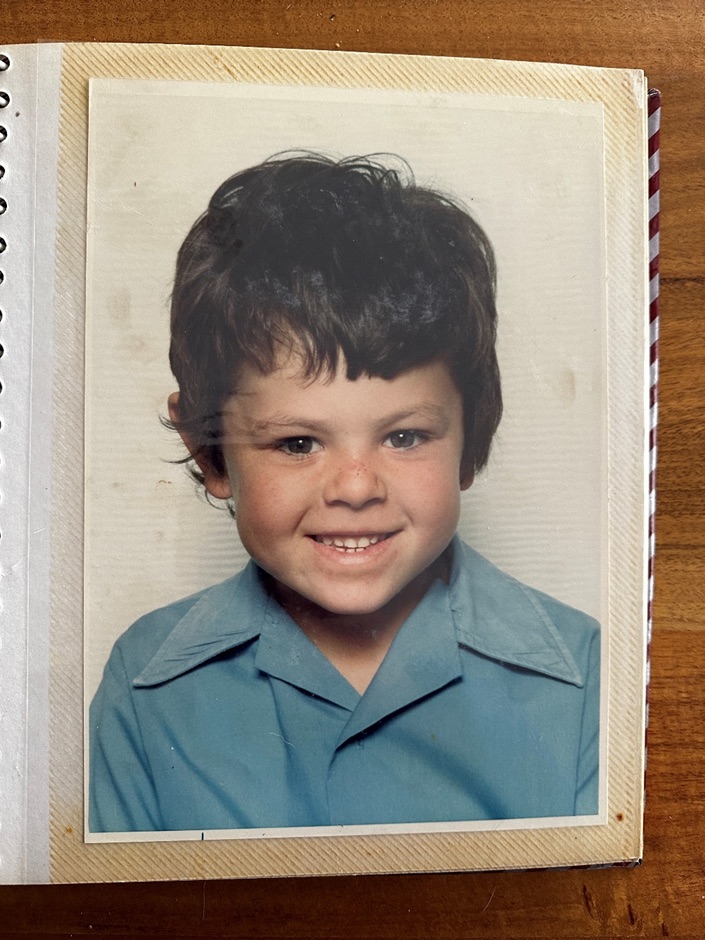
He suffered a traumatic upbringing, with the coroner noting Mr Baker witnessed domestic abuse from his father towards his mother, suffered abuse himself, and experienced substance abuse - first cannabis, then heroin - from an early age.
A work injury, causing long-term pain, only exacerbated his need for heroin to quell the pain.
He was due to leave prison in April 2021.
The coroner noted the GP and "overworked" clinical staff were responsible for a great number of patients at the prison, and even after suffering what guards observed as an apparent seizure in his cell and taken to the emergency department, Mr Baker was not visited by a GP after being discharged.
However, Mr O'Neil noted, even after this serious episode, Mr Baker "did not receive the care he required and deserved", and argued it was difficult to comprehend how there could be so many failures in the care of Michael.
One GP said in his evidence: "Ideally I should have seen him much sooner, but tragically I didn't".
In the last months of his life in pain, Mr Baker spent them in pain, Mr O'Neil said.
The Aboriginal Legal Service (ALS) represented Mr Baker's family.
After the findings on Thursday, ALS's coronial and trial advocate, Emma Parker, said: "No matter whether someone is in custody or the community, they should have access to adequate healthcare — that's not the case right now."
"Michael Baker died alone and in pain in a prison cell at 44 years-of-age. No one should die this way."
In his findings, Mr O'Neil said there was no evidence Mr Baker was "deliberately disadvantaged" in his care. Rather, it was "wholly insufficient" for one GP, working one day a week for six hours - as well as the overworked clinical staff - to care for all the inmates at Lithgow.
Despite the inquest only covering Mr Baker's time in Lithgow, Mr O'Neil said it was obvious these failings also extended to his time at previous facilities.
Mr O'Neil argued "it will never be known" if Mr Baker's outcome would have been different if "any or all of the opportunities to provide the appropriate level of care had been attended to".
He furthermore said he was unable to conclude any breach of NSW correctional policies and made no recommendations.
In closing the findings, Mr O'Neil noted Australia was a signatory to a number of human rights charters, including the United Nations Convention Against Torture (UNCAT).
Despite no recommendations, he said the overworked medical staff, which resulted in Mr Baker not receiving the care he needed, should not happen in a "civilised society".
He argued Australia's reputation has been tarnished by some human rights concerns, including the systemic mistreatment of Indigenous people - including more than 550 First Nations deaths in custody since the Royal Commission into Indigenous deaths in custody in 1991 - and the mistreatment of refugees and asylum seekers.
His death was not caused by the many failings in treating him, Mr O'Neil said, but predicted that "deaths in custody will continue to be a blight on our society" if the form of treatment issued to Mr Baker continues.



