



The Northern Territory Aboriginal Health Forum (NTAHF) marked its 100th meeting on Wednesday, covering a span of 26 years.
The Forum is the main collaborative Aboriginal health planning partnership between government and Aboriginal community-controlled health services (ACCHSs) in the Northern Territory.
Its members include the Aboriginal Medical Services Alliance Northern Territory (AMSANT), the Northern Territory Department of Health, the Australian Government Department of Health and Aged Care (DOHAC), the NT Primary Health Network (NTPHN), the Northern Territory Department of Chief Minister, the National Indigenous Australians Agency (NIAA), and the National Disability Insurance Agency (NDIA).
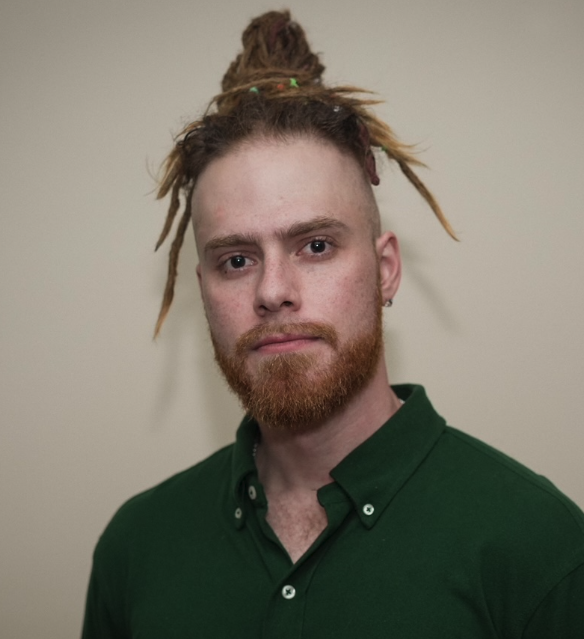
Aboriginal man from Derby and Forum chairperson Rob McPhee said the NTAHF has shown over 26 years that collaboration between the government and the Aboriginal community can achieve significant results.
"Over more than a quarter of a century, the NTAHF has demonstrated what can be achieved when government and the Aboriginal community sit down in a spirit of collaboration and respect to make decisions together," he said.
"Since its first meeting in Garramilla (Darwin) on 1 – 2 June 1998, the Forum has met four times a year with a shared commitment to 'closing the gap' in health by increasing funding, improving the health system, and allocating resources to where they are most needed."
The NTAHF was established after sustained advocacy by the ACCHS sector throughout the 1990s, which called for sustainable joint health planning processes involving all key service delivery, policy, and funding agencies.
Mr McPhee highlighted key successes of the Forum, including increased primary health care funds through better Medicare access for Aboriginal people, equitable distribution of resources via funding allocation formulas, agreement on core functions of primary health care, development of Northern Territory Aboriginal Health Key Performance Indicators to monitor service delivery, and supporting the transition of government-run primary health care services to Aboriginal community control.
"Through these actions, the Forum played a key role in improving the health outcomes of our people over the last two decades," Mr McPhee said.
"In that time, we have seen a 9-year improvement in life expectancy for men (from 56.6 years in 1999 to 65.6 years in 2018) and almost five years for women (from 64.8 to 69.7 over the same period).
"However, the life expectancy gap between Aboriginal and non Indigenous people in the Northern Territory is still unacceptably high (over 15 years for both men and women)."
Mr McPhee highlights the ongoing need to address health disparities for Aboriginal people and urged alignment of government actions with the values of power-sharing and Aboriginal empowerment as per the National Agreement on Closing the Gap.
"There are many other areas that need addressing to ensure our people can enjoy the health that other Territorians take for granted," he said.
"We need to keep working to make sure that all Government action – whether in health, education, housing or other areas – reflects the values of sharing power and giving Aboriginal people a voice, as demanded by the National Agreement on Closing the Gap."
He also expressed gratitude to past and present NTAHF partners for their commitment and hard work across the forum's 100 meetings.
"Working together through the NTAHF has not always been easy. Collaboration at this level never is. But I would like to express my personal thanks to all NTAHF partners and representatives, past and present, for their commitment to the process and their hard work and dedication in each of the 100 meetings we have shared," Mr McPhee said.



