


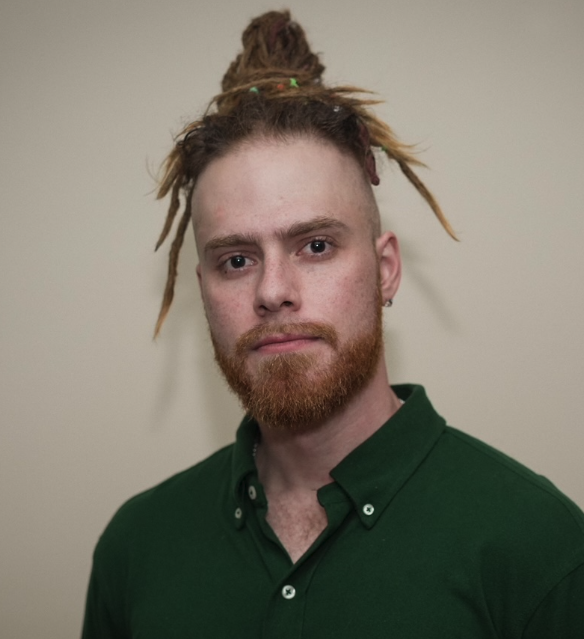

Indigenous leaders Dr Anita Heiss and Dr Joel Wenitong are urging adults to discuss sexual consent, with 48 per cent of Australians still unclear about its meaning.
As part of the Australian Government's Consent Can't Wait campaign, the pair feature in new videos tailored for Indigenous communities.
The videos simplify the concept of sexual consent and emphasise the importance of open conversations.
Consent is described as a free, voluntary, and informed agreement between people participating in sexual activity, ensuring both parties genuinely want to engage.
Dr Joel Wenitong, a proud Kabi Kabi man, is deeply committed to improving Indigenous health.
"Consent means everyone involved must agree with what's happening, know exactly what's going on and be having fun," Dr Wenitong said.
"Small yarns are sometimes better than long ones and if it doesn't go to plan, don't give up."
Wiradjuri woman and author, Dr Anita Heiss, said yarning about sexual consent promotes safety and respectful, strong relationships, though many adults still struggle to fully understand the topic.
"Yarning about sexual consent helps make things safer for everyone, which means a lifetime of respectful, strong relationships," she said.
"Even though many of us agree it's important to yarn to our young people about sexual consent, it's a topic that many of us don't fully understand ourselves.
"It's important that we yarn about it with other adults and clear up any confusion, so that we can then have open and honest conversations with our young people.
"As First Nations people, we want our kids to grow up safe and happy.
"Sometimes, consent can be a tough yarn because we might feel shame, discomfort or a little awkward.
"It can help to start these conversations with people you trust like a brother or sister, a partner or a mate, before you talk to your kids."
A dedicated First Nations Conversation Guide and other resources have also been developed to help adults and young people understand and yarn about what sexual consent means.



