




Calls for the Queensland government to stop housing children in adult watch houses have grown louder in light of harrowing footage showing an intellectually disabled First Nations child being held in a facility designed for adults.
A joint Guardian Australia/SBS' The Feed investigation revealed footage of 14-year-old Sam (not her real name), who has been assessed as having the mental capacity of a kindergarten child, being handcuffed, naked, and covered in her own urine, in a Queensland adult watch house.
She is one of many severely intellectually disabled children - many of whom are Indigenous - branded as repeat offenders and locked up in adult watch houses.
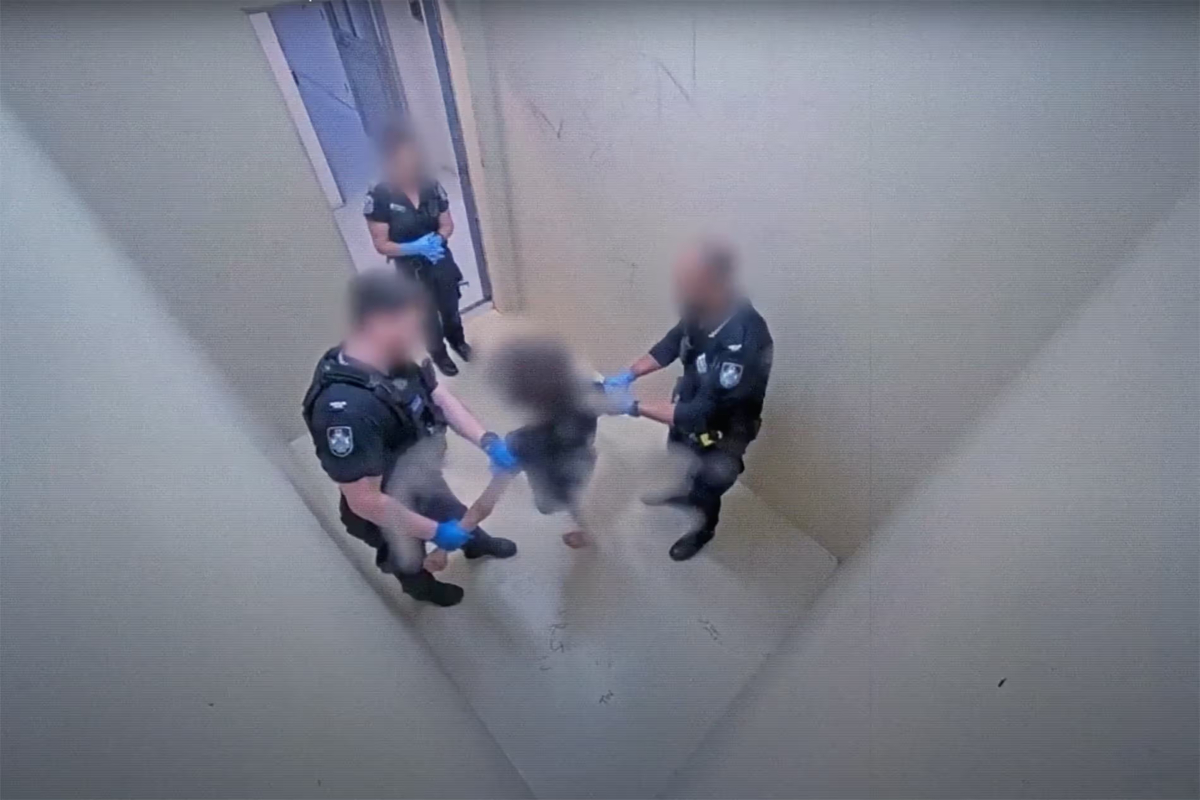
In response to the harrowing footage, which sees another child - Kieran (not his real name) call out "I can't breathe," Debbie Kilroy from the National Network of Incarcerated and Formerly Incarcerated Women and Girls said: "We have to ask ourselves: who are we as a community when we ignore the cries of our children?"
The criticism has also come from Voice for Victims, a group who have publicly advocated for more to be done to defend the rights of victims of crime, and who held a mass public rally in Brisbane in April.
They said the footage showed the "ongoing failures of youth crime and identified that a more holistic approach is needed to support these children and their carers and families".
"Voice for Victims and experts have provided the incumbent government and cross benches with evidence-based solutions, including removing [children] from watch houses."
The state government took the unprecedented action of suspending the Human Rights Act in August last year - for the second time in six months - in order to allow children to be housed in adult watch houses.
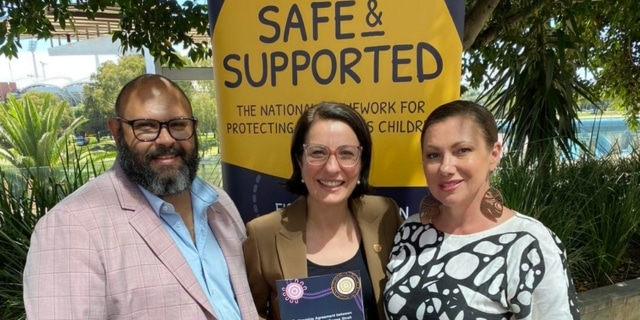
In response to vision of Sam having her hand slammed in the door and being spoken down to by guards, Queensland Aboriginal and Torres Strait Islander Child Protection Peak (QATSICPP) chief executive Garth Morgan said: "This incident gives rise to a much more serious concern about the capacity of the QPS to train their officers adequately."
"It is clear that police are not trained to work with children, particularly those who have impaired cognitive function," he said.
Multiple reports and allegations have revealed the alleged substandard treatment of children in watch houses. These include guards using racist language - without losing their employment - and children leaving detention after being kept in what amounts to solitary confinement and committing suicide.
Youth Advocacy Centre chief effective Katherine Hayes has previously said the organisation was considering legal action.
"The incidents of mistreatment include sexual abuse by other child inmates, physical harm by guards and other children, and long-term harm to their mental health from being detained for long periods - up to 30 days - in small watch house cells with no fresh air or sunlight," she said earlier this year.
Ms Hayes told National Indigenous Times last week that police guidelines specified children shouldn't spend more than 72 hours in watch houses.
"A psychiatrist who works in the watch houses has said that he sees decline in mental health after 24 hours in children and they come out angrier and more damaged," she said.
The state government has continued to enact decisions which sees more children being locked up — even going as far as to celebrate the 1200th child charged under Operation Guardian, an ostensibly public operation involving detectives arriving into communities and targeting children with a "zero tolerance" approach to bail breaches.
Earlier this year, despite their own parliamentary inquiry deeming the evidence to do so as "unclear," the Queensland government announced they will remove detention as a last resort from the Youth Justice Act — a decision contrary to the United Nations' Convention on the Rights of a Child.
Queensland keeps more children in detention than any other jurisdiction in the country, with 215 Indigenous children being housed in detention on average day in 2022-23.
Indigenous children aged 10-17 are 23 times more likely to be in detention than non-Indigenous people in the same age range, according to a report in March from the Death Review Board.
Highlighting the long-term impacts of such action, four Indigenous juveniles known to the youth justice system died in 2022-23.
National Indigenous Times has reported that children were pleading guilty to crimes they didn't commit in order to avoid spending time in watch houses that often house adult rapists and murderers, and were sometimes having to choose between being placed on bail with someone who previously abused them or spending nights in detention on remand.
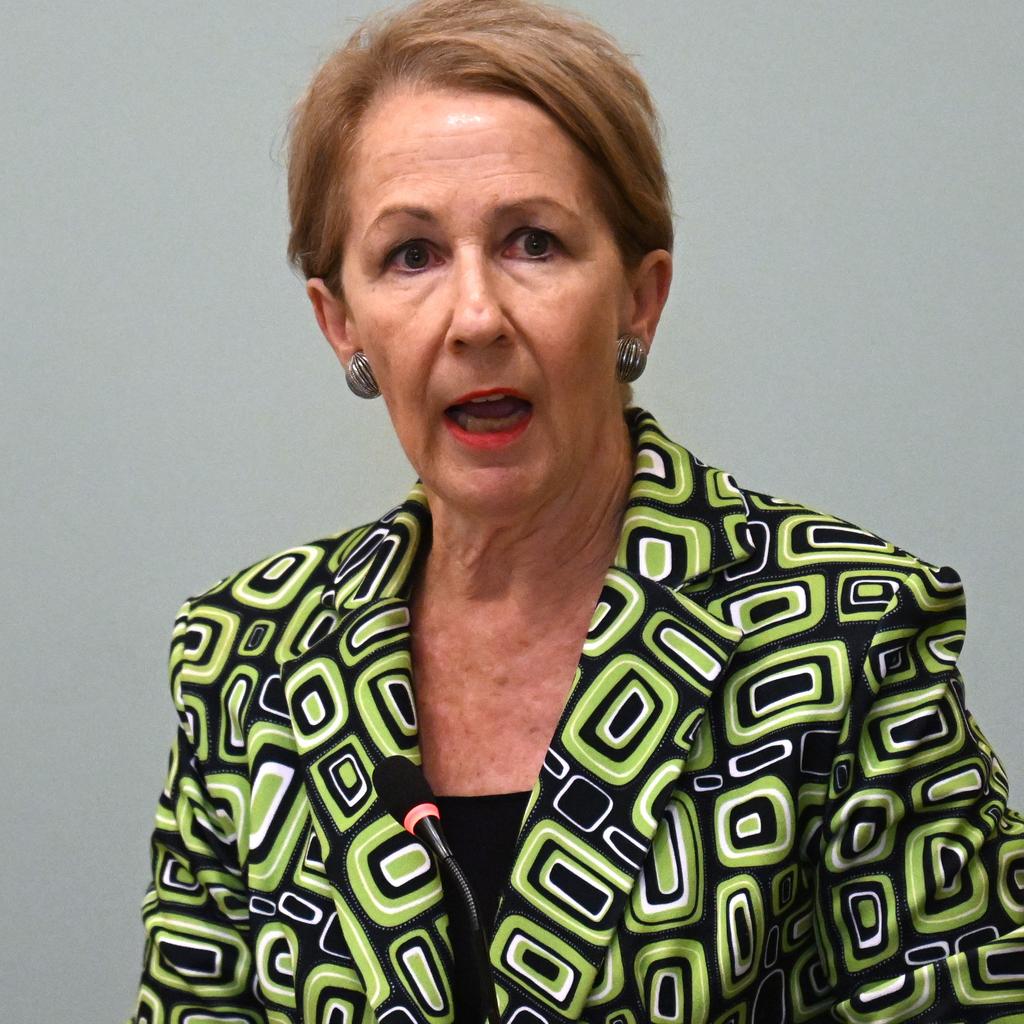
However, calls to change are seemingly falling on deaf ears in the state government, with Youth Minister Di Farmer stating she makes "no apology" for keeping the community safe.
"So, if a young person is a risk to themselves or to the community, then they will be detained and if they're in detention or in a watch house [it is] because a court has judged that they be placed there," Ms Farmer told Guardian Australia and SBS' The Feed documentary.
Ms Farmer's Labor government has enacted the legislation allowing judges to make these decisons.
There remains little to no evidence showing locking up children with intellectual disabilities makes the community safer; even less exists to show keeping children in facilities with violent adults will improve the child's health, mental wellbeing, or behaviour in the long-term.
However, a significant plethora of evidence does exist showing early access to the criminal justice system increases recidivism and in turn, makes the community far less safe.
"All of these expressed concerns, but nothing has changed, when will the torture of our kids stop?" Debbie Kilroy said.
"The government is using watch houses, designed for short term imprisonment, but using these as long-term holding facilities for children is not only inappropriate, but also violent, dangerous, and amounts to state sanctioned abuse."



