




The New South Wales budget has delivered money for social housing for Aboriginal communities but has failed to invest heavily in keeping Aboriginal families together, according to the peak organisations for Aboriginal children and families in the state.
The budget this week saw the government announcement $202.6 million to fund a "critical maintenance program for Aboriginal housing to repair and upgrade homes as part of genuine action to Close the Gap".
Furthermore, the government announced an investment of $139.2 million for Aboriginal affairs.
This included an extra $3.5 million in 2024-25 to continue work with the NSW Coalition of Peak Organisations for the design of an accountability mechanism to fulfil the state's commitments under the National Agreement on Closing the Gap; $17.9 million for the Stolen Generations Keeping Places program; $6.5 million for stand-alone cultural heritage laws; and $1.7 million for preserving archives of the former Aborigines Welfare Board relating to the Stolen Generations.
AbSec, who have been vocal in their criticism of the out-of-home care (OOHC) system in NSW said they welcomed an investment of $118 million for capital maintenance of social housing in Aboriginal communities, with chief executive John Leha noting this was a key item in the budget for Aboriginal communities across NSW.
"Housing security is a crucial factor in the safety and welfare of Aboriginal children and young people," Mr Leha said, arguing many children living in OOHC would not have been removed if their families had adequate housing.
"Investment in rectifying this unfortunate situation is a step in the right direction."
Waminda Birth Centre and Community Hub for First Nations Women and Families received $21.3 million, which AbSec said would mean "Aboriginal women on the South Coast can access good perinatal care and give birth in line with traditional cultural practice".
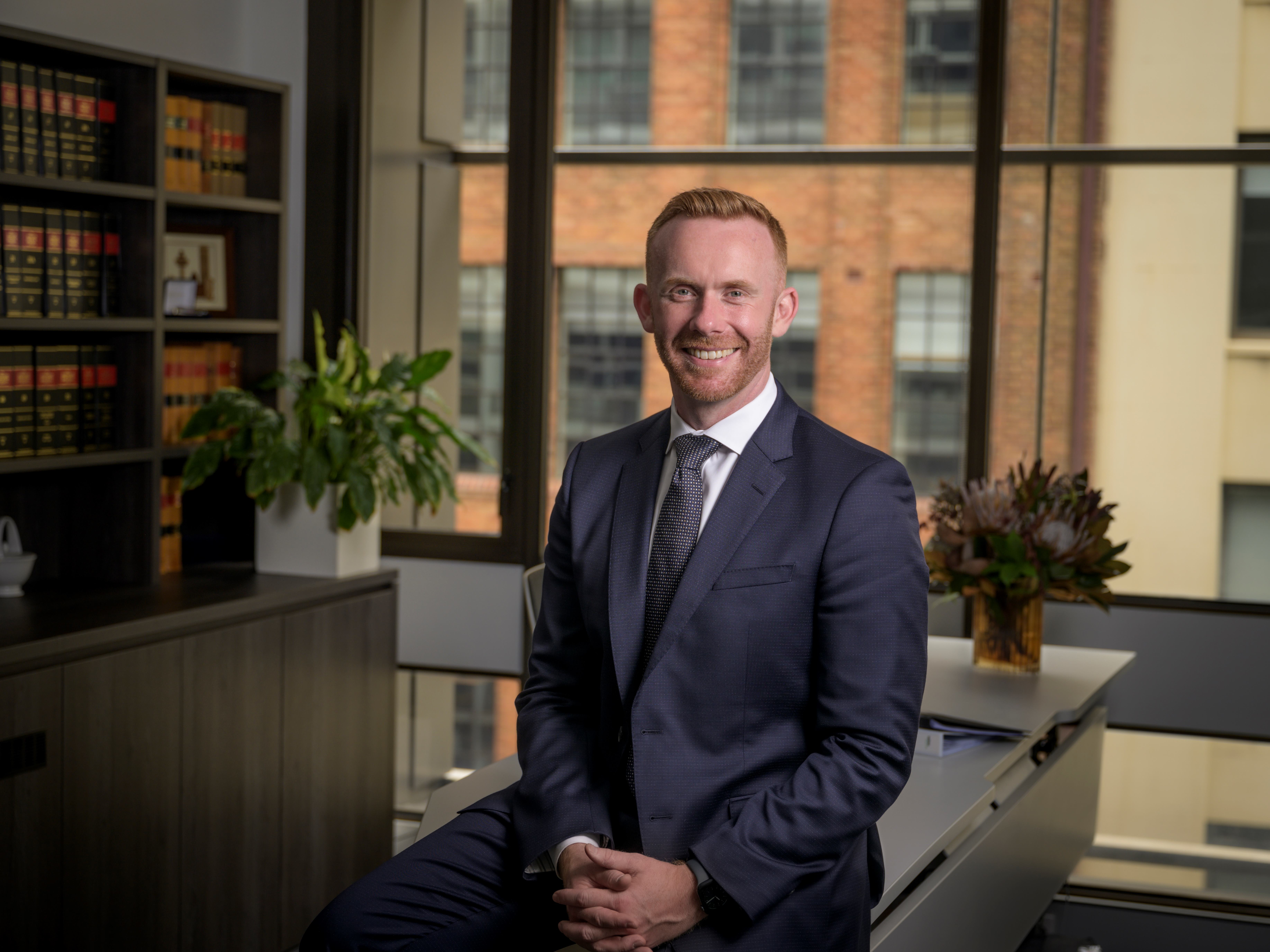
Support for housing investment was reiterated by the President of the Law Society of NSW, Brett McGrath, who said they welcomed the "$250 million investment in housing options for those most at risk of homelessness.
He argued the society was "particularly pleased that those exiting correctional facilities and mental health services are included among those who will benefit".
Furthermore, the society welcomed the expansion of the Staying Home Leaving Violence program statewide, and additional support to the Women's Domestic Violence Court Advocacy Service, men's behaviour change programs.
"The Law Society has long advocated for policies and programs that empower Indigenous people and communities and applauds the budget's investment in the economic empowerment of First Nations, including for regional partnerships, amongst other investments to help close the gap," they said in a statement.
"The expert solicitors on the Law Society's Indigenous Issues Committee are ready to offer their input into the Aboriginal cultural heritage reforms and standalone legislation," Mr McGrath added.
However, whilst Mr McGrath welcomed the "$224.1 million allocated to reform the out of home care system," Mr Leha said the funding went to the foster care system, "exactly the wrong direction".
"The fact this comes immediately after a scathing report from the NSW Audit Office, demanding a reorientation of the child protection system, is frankly quite insulting," Mr Leha said.
Earlier this month, the office of the auditor general in NSW found the Department of Communities and Justice, who oversee child protection in New South Wales, do not monitor the wellbeing of children in out of home care, and were unable to demonstrate its compliance with guarding safely the rights of Indigenous children, families, and communities.
At the time, Mr Leha said the policies were "leading us down the path of another Stolen Generation".
AbSec also noted their disappointment about the "ongoing refusal to establish a Commissioner for Aboriginal Children and Young People".
NSW and Tasmania are the only jurisdiction in the country without a dedicated commissioner for Indigenous children, despite having the most Aboriginal people in the state, and over 6,000 children in OOHC.
"There are some good measures [in the budget], Mr Leha argued, but not ones that will transform a broken child protection system."
"It could have been a lot better."



