




The Department of Communities and Justice, who oversee child protection in New South Wales, do not monitor the wellbeing of children in out of home care, according to two scathing reports by the office of the auditor general.
Despite long-standing calls from Indigenous groups about the overrepresentation of Indigenous children in out-of-home-care (OOHC) the report also found the Department (DCJ) were unable to demonstrate its compliance with guarding safely the rights of Indigenous children, families, and communities when they encounter the child protection system — known as the principles.
One of the reports, Safeguarding the rights of Aboriginal children in the child protection system, found the DCJ is "not effectively safeguarding the rights of Aboriginal children in contact with the child protection system," which is required under the Children and Young Persons (Care and Protection) Act 1998, as well as the United Nations Convention on the Rights of the Child and the Declaration on the Rights of Indigenous Peoples.
"DCJ cannot demonstrate its compliance with the Principles," the report said.
"DCJ has not embedded the Principles in its governance, accountability arrangements, policy, and day-to-day casework practice."
The other report, Oversight of the child protection system, found the entire child protection system in NSW is "inefficient, ineffective, and unsustainable".
"Despite numerous reviews into these issues, DCJ has failed to make the necessary changes to ensure its child protection service model meets the needs of children and families," the report argued.
"While DCJ has legislative obligations to support children and families during child protection processes, the agency does not provide services or support to the majority of children presumed to be at risk of harm."
Of of the 112,000 children deemed to be at risk of significant harm by the DCJ, three quarters received no home-based safety assessment.
"Many children experience trauma, before, during, and after being removed from their families of origin," the report said, arguing the DCJ had "failed in its duty" by not assessing these children and by not "understanding how the agency's actions and decisions are affecting them over time".
The treatment of Aboriginal children in the child protection system has been widely reported across the country, with experts arguing the entire system has failed Indigenous children and families.
This week, South Australia saw the system slammed for failing Indigenous families and children, whilst numerous organisations have argued child removal only exacerbates a loss of connection with family and culture.
Of the 14,000 children in OOHC as of June 2023, 45 per cent were Aboriginal.
In February, experts urged a complete overhaul of the system, with AbSec chief executive, John Leha arguing the system "remains geared towards removing children rather than investing in early intervention services that could support them to live safely at home with their families".
Groups have called for more self-determination in the role Aboriginal Community Controlled Organisations (ACCOs) play in supporting families, both in and out of the child protection system.
The Safeguarding report estimated it would take 57 years at the current rate to transfer case management of Aboriginal children in OOHC to ACCOs.
Furthermore, despite the increasing number of children being removed, the DCJ doesn't monitor the wellbeing of children in OOHC and has no quality assurance mechanisms over its child protection system and casework practice.
The report also found the use of s Structured Decision-Making (SDM) tools to assist caseworkers, despite external reviews in 2017 and 2019 raising concerns the tools were "susceptible to caseworker bias in relation to Aboriginal families".
Both reviews recommended the previous NSW Liberal Government independently examine the use of SDM's.
"While DCJ has identified that the use of the tools has resulted in a disproportionate number of Aboriginal children being unnecessarily taken into care, it has not collected information about how many children have been impacted or taken steps to remediate where this may have occurred," the report said.
"The tools continue to be used, exposing DCJ to increased risk, including the possibility that it wrongly intervenes for Aboriginal families."
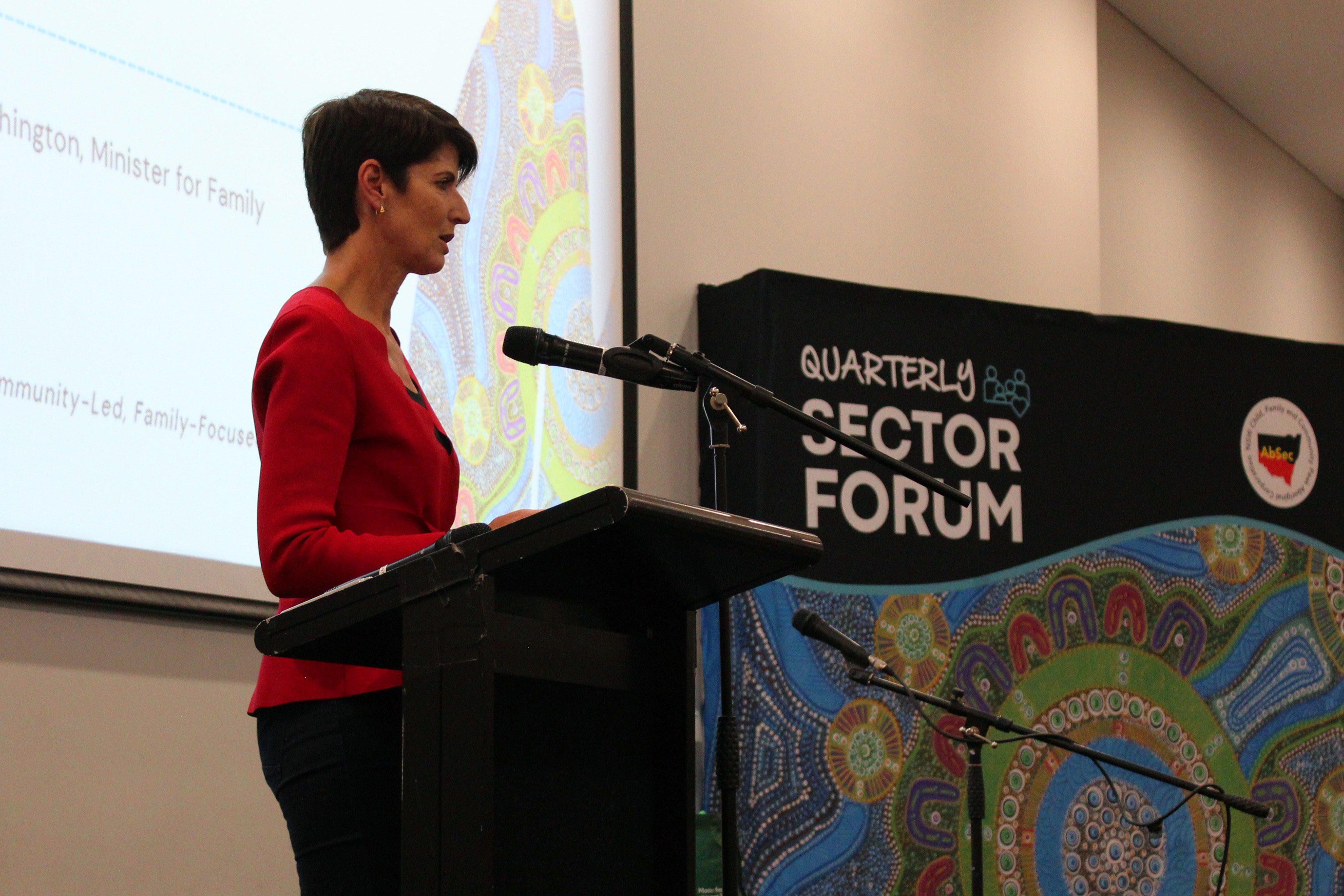
The report said no independent review has been completed, however earlier this year, NSW Minister for Families and Communities, Kate Washington said the government was working in "close collaboration with AbSec and ALS on a review of the decision-making tools," accepting it was imperative these reviews were done in collaboration with first Nations people.
The minister said the report confirms that the child protection system "is in need of significant structural reform".
"For the sake of vulnerable children in families right across NSW, we are determined to fix the broken child protection system that we inherited," Ms Washington said.
Amongst the reports' recommendations, it calls for the development and implementation of a quality assurance framework to ensure compliance with safeguards for Aboriginal children at all points in the child protection system, and to fulfil its commitment to develop and implement a healing framework for child protection services.
The government says the DCJ will accept, or accept in principle, all recommendations in both reports.
"We have begun the work to repair the system, but as laid out in these reports, there are significant issues in every direction, so it's going to take time to deliver the outcomes children and young people deserve," Ms Washington said.
National Indigenous Times contacted the New South Wales Department of Communities and Justice for comment.



