


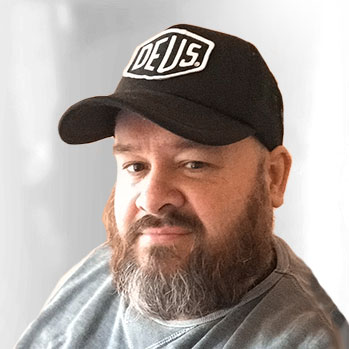

Golf has famously been referred as a "good walk spoiled", but for a growing number of Indigenous men the exercise is proving to have an opposite affect, with a mental health purpose bringing out budding golfers from other sports at the right time of their lives.
There's a lot of former rugby league players alone, especially around Innisfail, where the man behind the organisation of Aboriginal Indigenous First Nation Golf welcomes men with open arms to more of a brotherhood than just another club hell bent on winning.
Founder John Fejo started small in 2021 and is now determined to grow the unique blackfulla brethren further than just the North Queensland town.
"I first reached out to Social Golf Australia a couple of years back because I run social programs for our men back in Innisfail where I do a program for 10 weeks, and we get out there and have some fun," Fejo says.
"There's a lot of feedback of our mob, who are really good, but haven't been given the platform and encouragement of going through to seeing themselves as golfers in life."
Fejo wants to gather hundreds of mobs of First Nations golfers from the other states and territories to take ownership of their lives on Country through the popular sport.
In Innisfail alone, Fejo can call on close to 50 Indigenous golfers that will play any given day out for a social occasion and similar numbers are repeated in nearby Tully in growing the movement across rural North Queensland towns.
While prizes and awards are handed out among much laughter and fun, this round of golf is the one time where scores matter very little to the growing sense of their bigger picture of Aboriginal men's health while driving balls to the hole.
"Ninety per cent of men that I worked with and who I created this for is because men are always the backbone of our Communities, who don't get recognised," Fejo says.
Together they talk, they share issues, they listen, they acknowledge and they realise they are never alone.
The growth in the playing numbers only enhances the blackfulla golf concept in a sport that historically Indigenous men wouldn't have a bar of the old-fashioned, class-driven etiquette of golf, let alone allowed past entry into the prestigious clubs.
"You know what it's like: one Murri hears about it and a few of them start ringing up, asking when it is coming here or there?" Fejo continues.
Teeing off in Darwin down to Alice Springs was the next target for the Larrakia man that Territorians also need a young Indigenous version of the Men's Shed for retirees to talk.
Sydney is next.
"I talk to a lot of the mob back home and they know of the program," Fejo says.
"They're like 'when can you bring this up program up here, bruh?'.
"It's one thing to have a group of Murris or a couple of us blackfullas walking around with 50 other fullas that aren't blackfullas, but it's a big difference for us that a whole big team of blackfullas are playing golf together.
"Also, it just changes the whole environment and the whole atmosphere – we're very competitive and while I first make it social, it becomes a competitive thing."
Fejo says a lot of his golfers are men whose football playing days are over and they're left with restricting injuries for the playing field but not for the fairway.
Their competitive juices flow and some have started taking their golf very seriously.
They are the golfers whose conversations quickly turns to comparing handicaps and Fejo says they can more than hold their own with their single-figure scorecards.
"Our boys here play in the local competitions against all the white fellas, which builds their confidence up when they know they can go out, play against anybody and do so well," he says.
"They actually kill it every weekend – they smash it.
"Some literally started playing golf four or five years ago and now are playing against these other guys who have been playing all their life."
Fejo sums up with the golf as a "vehicle for life".
"I really try and get our Elders around our sons now because there is not always their fathers around and not too many leaders out there," he says.
"This is my avenue of getting those men who are our backbones, those hard workers, to get along with the boys and young men who are going to be our future leaders.
"They just need a little bit of guidance, a bit of a talk, that direction in life."



