


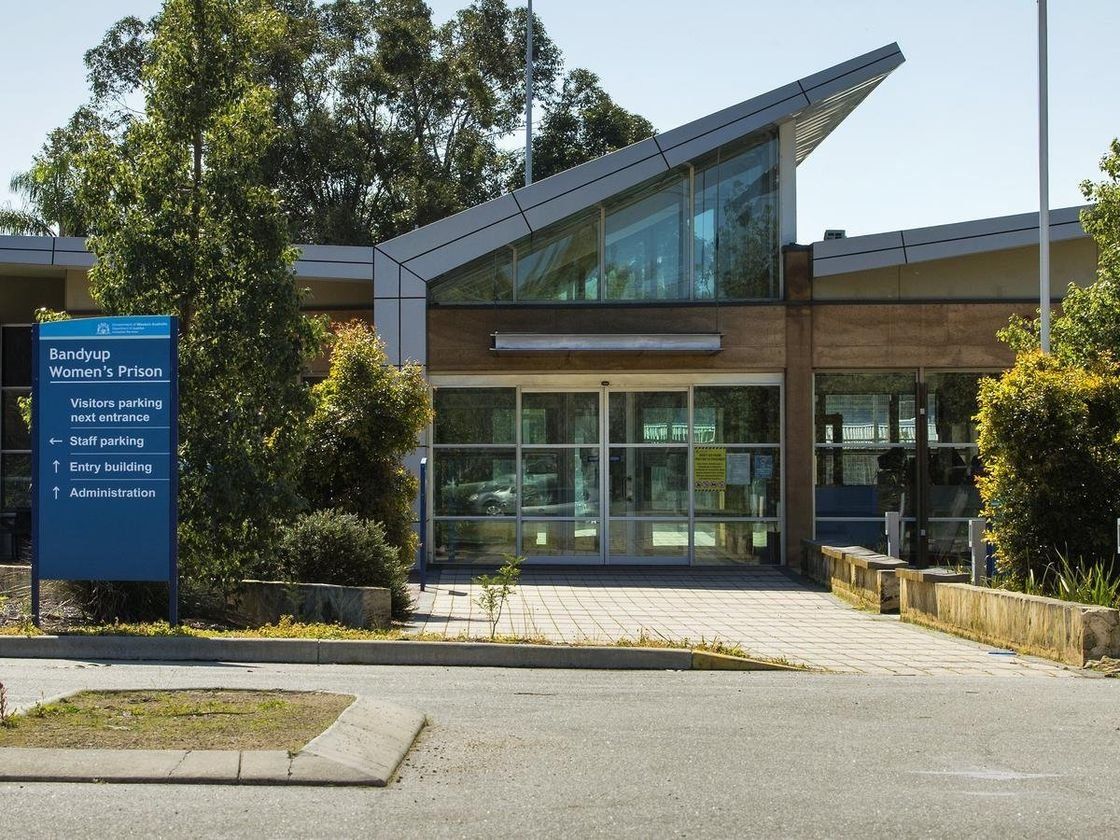
The mother of a 35-year-old Aboriginal woman who died in Perth's Bandyup Women's Prison claims guards failed to respond to her daughter's calls for help before her death.
The woman's mother *Shelly (not her real name) told National Indigenous Times she was told by family members of other women in the unit that those inmates heard her calling for help before her death.
"They told me the guards waited a long time before checking on her," said Shelly, who did not want her real name published.
"When they did, she had been gone for an hour."
The allegations relayed to Shelly by relatives of the other inmates have not been substantiated.
National Indigenous Times contacted Western Australia's Department of Justice for comment, and was advised by the Department that as the matter was subject to a coronial inquiry they could not comment on the claims or provide further detail.
Shelly's daughter was a mother of two who had battled mental health issues and substance addiction over the past decade.
On New Year's Day in 2025, she suffered a stroke that caused "cognitive impairment", further destabilising her mental health.
Shelly had been fighting to secure proper medical and mental health care for her daughter outside prison.
In a letter seen by National Indigenous Times, she wrote to a magistrate's court late last year — copying in government agencies, a private lawyer and advocacy services — seeking urgent intervention, including a court-ordered rehabilitation program and a plenary guardianship order.
In the correspondence, Shelly warned that her daughter was at risk of harming herself and was unable to manage her own medical and personal decisions.
She also raised concerns with prison staff about whether her daughter was receiving adequate medical and mental health support.
Shelly says she was reassured by non-custodial staff that her daughter "was getting all the help she needed and on the right medication".
"But I don't think she was," Shelly said after a pause.
Fractured phone calls with her daughter in recent weeks alarmed Shelly, who realised something was wrong.
"She did not sound good; she sounded very stressed out."
Despite her distress, she always asked her mother to tell her children she loved them.
Advocates say her death reflects broader concerns about the treatment of Aboriginal women in custody.
Proud Bibbulmun Noongar woman and United Nations human rights lawyer, Dr Hannah McGlade, said she was not surprised by the conditions.
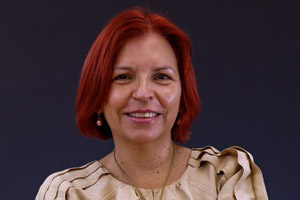
"Bandyup prison has a long history of violence and cruelty to Aboriginal women, and I have recorded and written about some of those instances which would shock anyone today," Dr McGlade told National Indigenous Times.
"Yet to hear this poor woman died reportedly in utter anguish and pain ... is devastating."
Dr McGlade compiled evidence and interviews for an academic chapter on the treatment of Aboriginal women in prisons, including two incidents at Bandyup.
A 2018 investigation by the prison watchdog found a woman gave birth alone in a locked cell at Bandyup Women's Prison after calling out for help for more than an hour, in what the Inspector of Custodial Services later described as systemic failures.
In the same year, a young Aboriginal woman in acute psychological distress was transported from Bandyup Women's Prison naked and handcuffed while menstruating, with Dr McGlade noting she was escorted by male officers.
Dr McGlade is calling on the WA Government to invest in healing spaces for Aboriginal women to prevent further deaths in custody.
"This state has the blood on its hands of vulnerable Aboriginal women who are suffering from psychosocial distress and disability," she said.
"We have no healing centres in Noongar Boodja, and people are dying as a result."
While advocates call for preventative services and healing spaces for Aboriginal women, Custodial Inspector Eamon Ryan said Western Australia's prison system is overstretched.
"The whole system is under enormous pressure with record populations but also significant custodial and non-custodial pressures," Mr Ryan said.
"Bandyup is operating at over 100 per cent capacity," he said.
A report by the Inspector of Custodial Services last year also found prisons across the state were operating with too few health and rehabilitation workers, leading to delays in care.
Around one in five health roles were vacant, along with more than a quarter of rehabilitation and reintegration positions.
Against that backdrop, the circumstances surrounding the woman's death are now expected to come under further scrutiny.
Her death is now the subject of a coronial inquiry, which will examine the circumstances surrounding her care in custody.



