




A Liberal, Independent and Greens Senator have united to call for the Commonwealth to mandate a minimum age of criminal responsibility across the country, even as government Senators declined to do so.
The Senate Inquiry into Youth Justice, launched after the horrific deaths of two children in Western Australia's youth justice system, delivered its delayed report on Friday after hearing from more than 120 witnesses, many of whom said the system is failing some of the country's most vulnerable children.
More than half of those in custody across the country on an average day in 2024-25 were Indigenous, while more than 80 per cent of children detained were unsentenced.
Witnesses noted many children in detention had an "unprecedented amount of neurodisability and neurodevelopmental disorders, including fetal alcohol spectrum disorder, and undiagnosed intellectual disability".
In the NT, 77 per cent of children under 14 detained in detention had unmet mental-health, cognitive-disability or health needs, the inquiry heard, while in WA, a study found nine in ten incarcerated young people had some form of neurodiversity.
Youth 'crime wave' a furphy
The report was delivered amid widespread media reporting of a growing youth crime problem in Australia, while State and Territory governments across the country — both Labor and conservative — have enacted punitive policies, often under the guise of being 'tough on crime'.
"Current media coverage suggests that crime by children and young people in Australia is on the rise," the report said. "However, other statistics show a decrease in youth crime, suggesting there is no 'youth justice crisis' in Australia."
Legal, human rights and Indigenous groups have been outspoken about the need to reform the system, arguing punitive punishments both fail children and families and make communities less safe.
"If a tough-on-crime approach worked, the Territory would be the safest place in Australia, yet, as the data shows, a punitive response reinforces the very behaviour we seek to change and increases the chance of further offending," former NT Child Commissioner Shahleena Musk told the inquiry.
It costs more than a billion dollars a year to incarcerate children, with the system, according to Justice Reform Initiative Executive Director Dr Mindy Sotiri, "failing children, failing taxpayers and failing communities".
"It is especially failing First Nations children and communities," she said. "Children experiencing significant disadvantage are being funnelled into a justice system that causes harm and increases the likelihood of future offending."
Calls to raise the age
One of the loudest calls has been for a minimum age of criminal responsibility — namely 14. Only two jurisdictions, Victoria (12) and the ACT (14), have raised the age above ten, while the NT lowered it back from 12 to 10 in 2024.
The inquiry made just four recommendations — none of which called for the age to be raised.
They included a recommendation for the Attorney-General to work with her state and territory counterparts to "take the necessary steps to introduce national minimum standards in relation to youth justice in Australia"; establish a cross-government National Child and Community Safety Taskforce; launch a public education campaign providing evidence-based information about youth crime and the benefits of alternatives to incarceration; and have a committee investigate the factors contributing to youth incarceration.
NATSILS, the national peak body of Aboriginal and Torres Strait Islander Legal Services, welcomed the call for minimum standards across the Commonwealth.
"We await a response from Government and welcome the opportunity to work with the Commonwealth, states and territories to work through what the minimum standards are," NATSILS General Manager Nick Espie said.
However, the likelihood of this happening remains to be seen, with experts long urging the federal government — which has argued justice policies are a matter for the states and territories — to use its external affairs powers to uphold Australia's international obligations by mandating a minimum age of criminal responsibility of 14 years for all Australian jurisdictions.
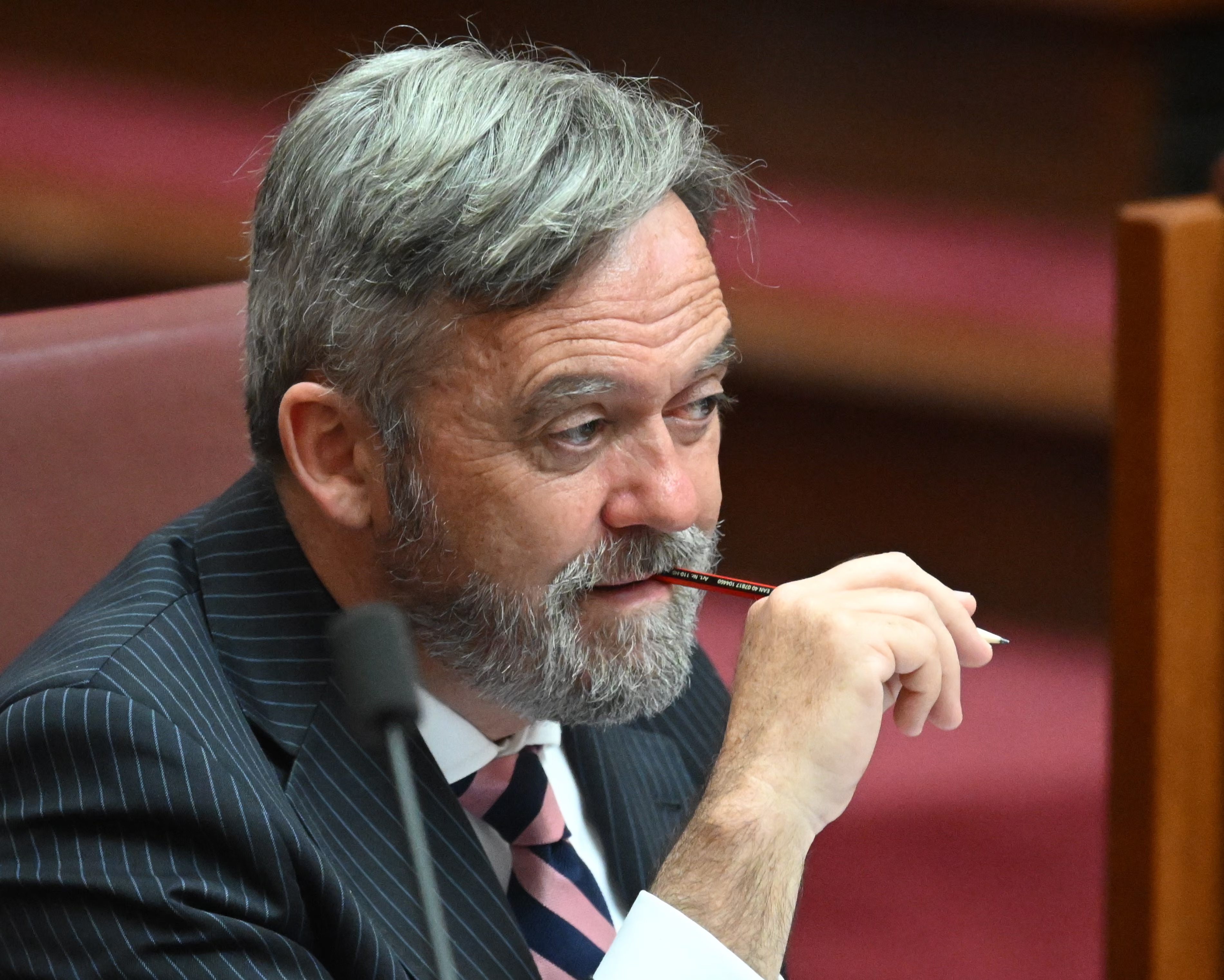
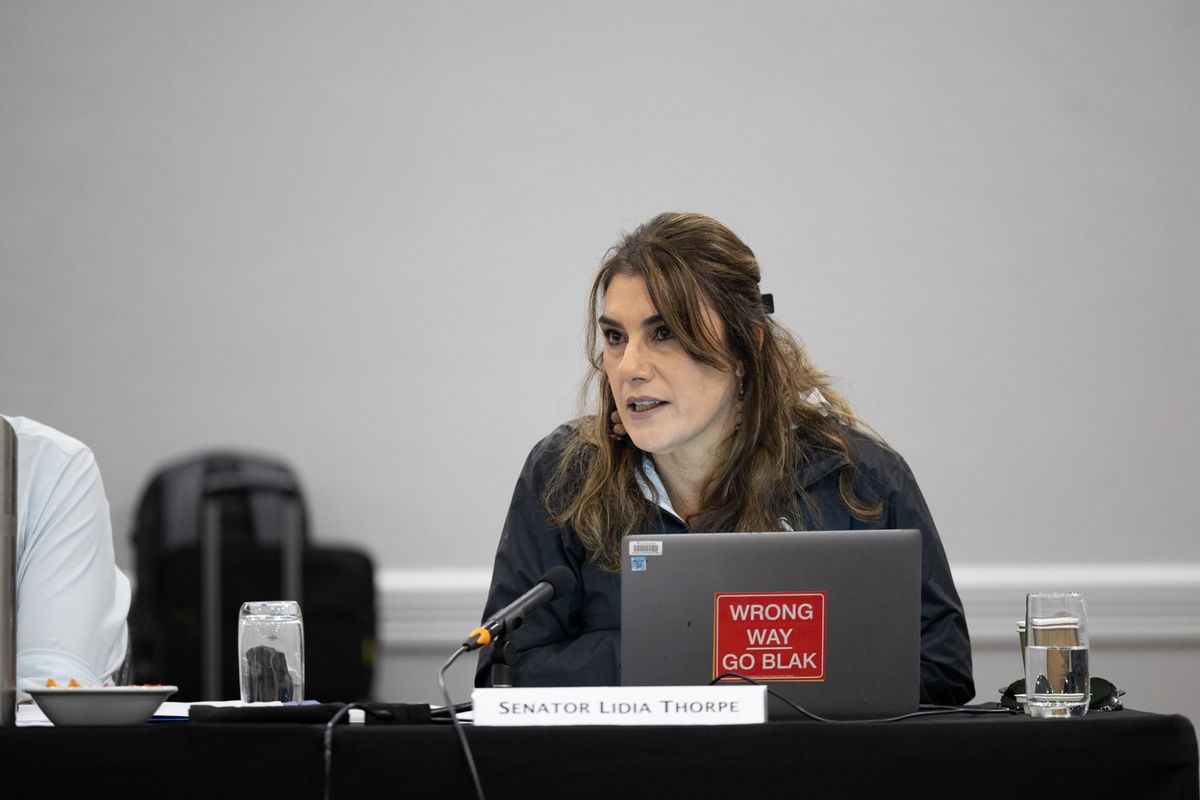
In the inquiry's final report, Liberal Senator Andrew McLachlan, Greens Senator David Shoebridge and Independent Senator Lidia Thorpe all called for the age to be raised nationally.
Noting the evidence was "unanimous and compelling," Senator McLachlan and Shoebridge used their additional comments to state: "The Commonwealth should work with state and territory governments to implement the minimum age of criminal responsibility of 14, including by partnering to fund and provide non-custodial alternatives, with an implementation date no later than 31 December 2027."
Senator Thorpe went further, calling for an end to children being held in adult facilities and reforming bail and remand laws.
"This inquiry has clearly found that the Commonwealth government can and must act on the crisis of child criminalisation and incarceration across this country," she said on Friday.
In their additional comments, Labor Senators Dorinda Cox and Jana Stewart — both First Nations women — argued the final recommendations did not adequately address the breadth of evidence, particularly the specific circumstances of First Nations children.
They called for earlier intervention for family violence and developmental issues, better health and disability assessments, stronger First Nations community-controlled services, year-round youth diversion programs, improved bail accommodation and support to reduce unnecessary detention, and national reporting on school suspensions and exclusions.
However, they declined to call for a minimum age of criminal responsibility.
Landmark report needs to deliver outcomes
In response, Senator Thorpe said it was "utterly shameful that the Albanese government, in their response, has again tried to pass the buck while more and more Aboriginal children continue to be targeted by this harmful system".
"I want to commend Liberal Senator Andrew McLachlan for taking a strong stand on this issue and calling for the Commonwealth to take action, including by raising the age and legislating national minimum standards. I'm sure his broader party won't be happy."
Mr Espie said the recommendations and findings showed it is "utterly clear that the Prime Minister has an obligation and responsibility to act to end the youth justice crisis that is seeing our children locked up at unprecedented rates".
"States and territories across the country are doubling down on punitive policies that are driving the mass incarceration of our children. This not only harms them, it makes the community less safe," he added.
Former Child Commissioner Anne Hollonds welcomed the report and said the country has "never been closer to real evidence-based reforms that will protect the human rights of children and also make communities safer"
"More work now needs to be done," she said.
"We have the evidence, we have the recommendations. What we need is the political will to act, for political leaders to have the courage to implement evidence-based approaches that have been proven internationally to prevent crime and make communities safer."



