



The collaborative use of traditional knowledge and western science promises stronger outcomes for Country and its waterways, a major Victorian Aboriginal representative body says as it unveils it's new environmental water strategy.
DJAARA's (Dja Dja Wurrung Clans Aboriginal Corporation, in central Victoria) Environmental Water Plan (2026-27) is the corporation's "take on how environmental water should be delivered on Djandak, drawn from Djaara knowledge and recommendations as well as western science and monitoring".
It's the first plan developed, and a key outcome of a three-year partnership last year established between DJAARA and the Commonwealth Environmental Water Holder (CEWH).
DJAARA launched its Dhelkunyangu Gatjin (working together to heal water) strategy in November, 2023.
2%20-%20supplied,%20DJAARA.jpeg)
Djaara-led and owned, it's aimed at informing the Victorian Environmental Water Holder's (VEWH) broader Seasonal Watering Plan, developed jointly with the North Central Catchment Management Authority (CMA), as additional partners to CEHW.
Environmental water is water released into regulated rivers, floodplains, wetlands and estuaries to improve waterway health and protect environmental values, as outlined by the state government.
DJAARA's position on how environmental water should be used on Country is set out in the plan, with Dja Dja Wurrung knowledge, values and recommendations sitting alongside western science and monitoring intended to inform both environmental water planning and delivery.
"For many years Dja Dja Wurrung People have been asked for their perspective on environmental water and how it may support cultural values. This plan provides an easy way for others to learn and appreciate Dja Dja Wurrung perspectives," DJAARA chief executive Cassandra Lewis said.
"Dja Dja Wurrung People continue to have a cultural responsibility to care for Dja Dja Wurrung Country, including its waterways. It's important for us to be involved in decisions about water so we can fulfil our cultural responsibilities.
"Decisions about environmental water that are informed by both traditional and Western scientific knowledge systems will lead to better outcomes for waterways and Country."
Since 2016, the corporation's specialist water advisory group Kapa Gatjin conducted 118 Aboriginal Waterways Assessments at locations across Djandak (Dja Dja Wurrung Country), identifying the general and cultural health of waterways and recommending decisions for their future management.
Major systems include Dindilong Yaluk (Coliban River), Bulatjal Yaluk (Loddon River), Serpentine Creek and Tullaroop Creek, Yaluk (Campaspe River), Birches Creek, Lake Boort and two Wimmera region wetlands — Jeffcott Wildlife Reserve, Jesse Swamp.
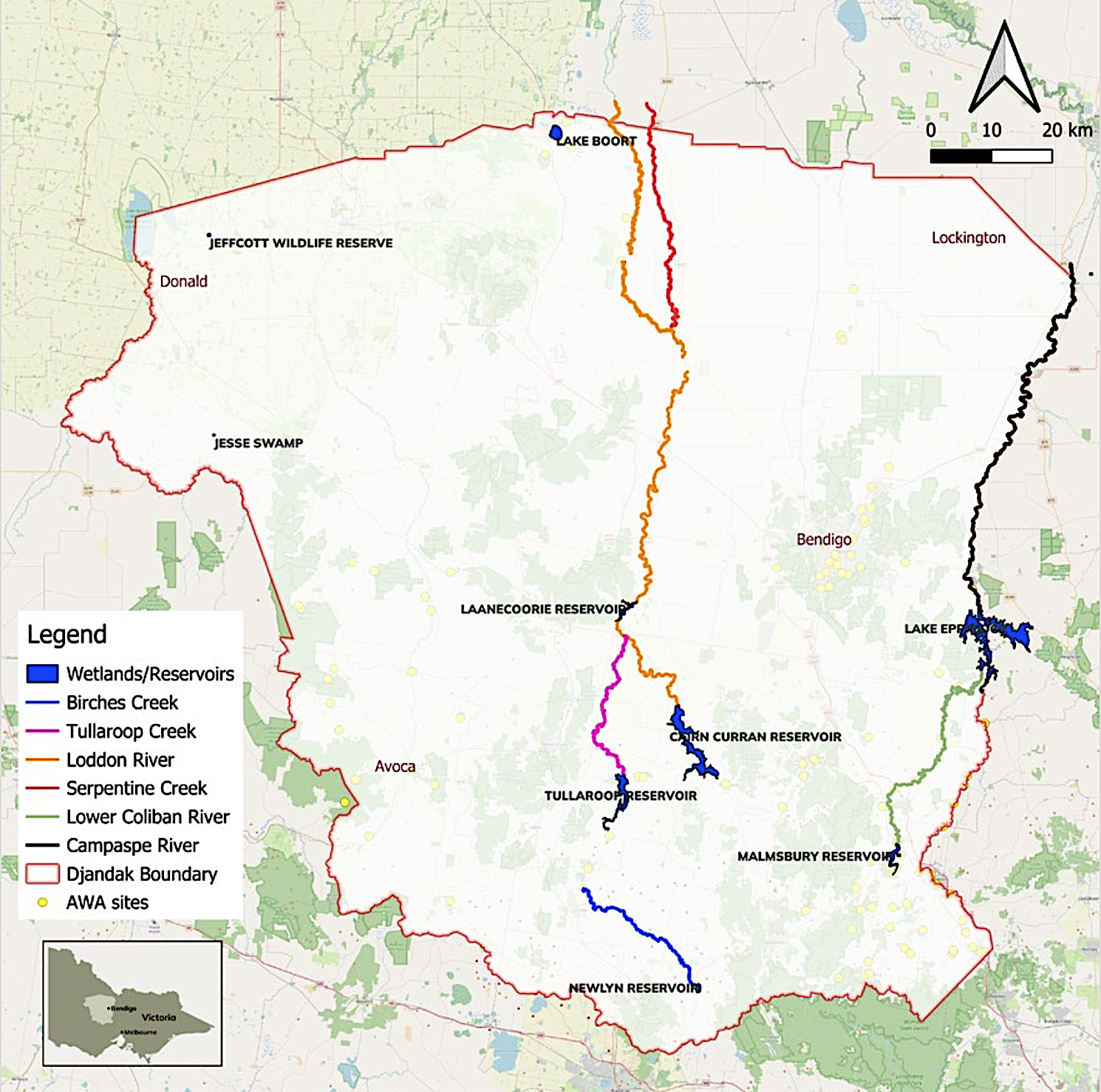
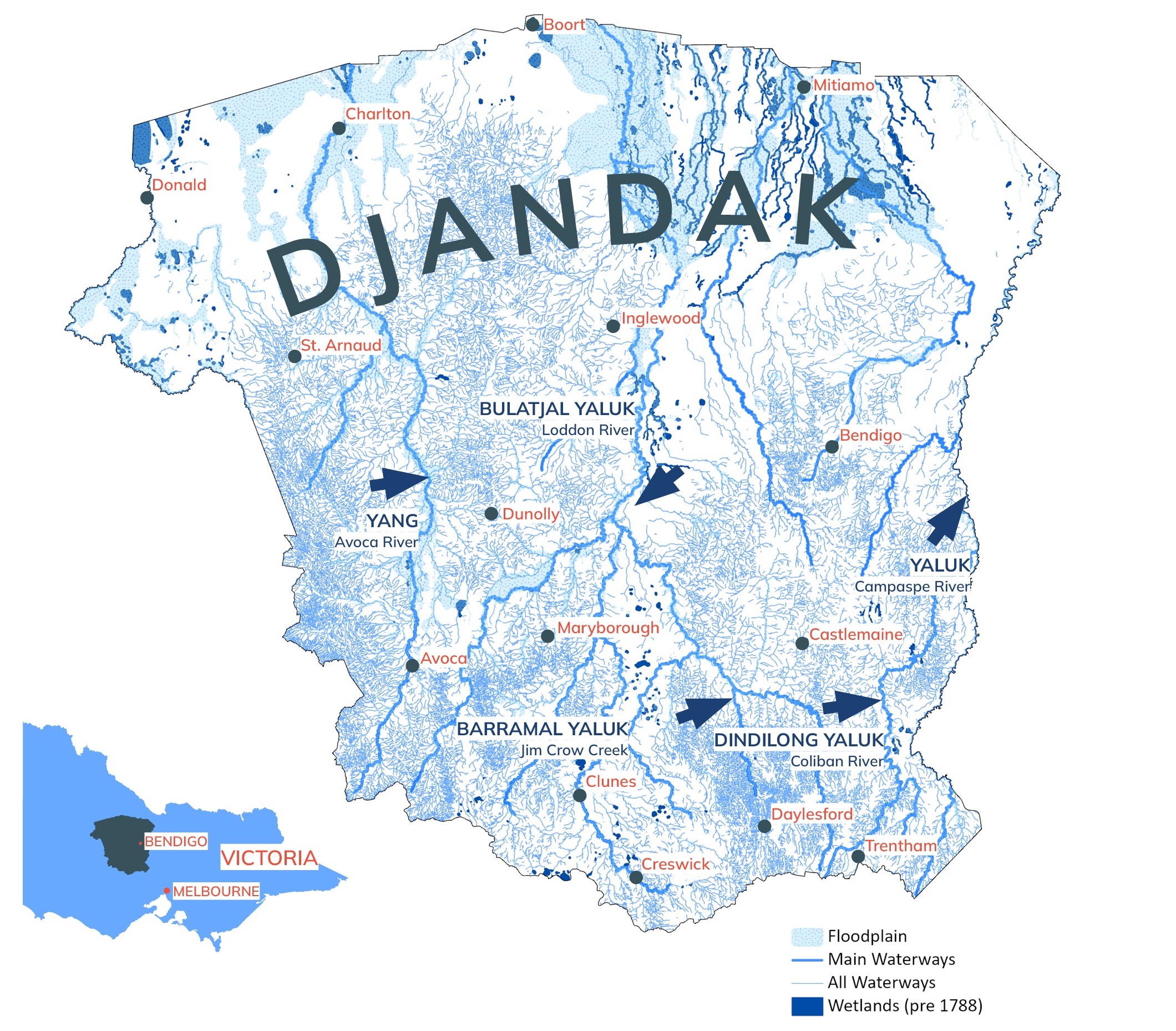
The plan provides opportunities to reconnect environmental watering to cultural outcomes — such as supporting native species including large body fish and native vegetation, enabling cultural practice.
AI analysis used estimates a water volume deficit for environmental water systems on Djandak of over 25 gigalitres a year between the Coliban, Loddon, Campaspe and Birches systems.
The ongoing impacts of colonisation and dispossession and local gold mining practices — creating 'Upside Down Country' — 'a landscape turned over from mining, leading to destructive consequences' like arsenic, mercury and lead found in waterways.
Commonwealth Environmental Water Holder Simon Banks called the plan a significant milestone, and demonstrates the value of First Nations leadership in environmental water planning.
"Working together helps ensure environmental water management delivers outcomes that are important for waterways, First Nations peoples and communities."
DJAARA says its Environmental Water Plan "will help inform future environmental watering decisions and contribute to healthier, more resilient waterways across Djandak for generations to come".



