




South Australia's Attorney-General Kyam Maher has ignored and failed to reply to the state's Guardian for Children and Young People in the almost five months since a report sharing the voices of children and young people in detention was published.
In April, Shona Reid, who combines her role as the Guardian with Training Centre Visitor (which promotes and protects the rights of children and young people detained at Kurlana Tapa Youth Justice Centre) authored From Those Who Know: Minimum Age of Responsibility.
The report was given to the Attorney General on April 8 this year, and on April 30 National Indigenous Times understands the Guardian wrote to the Attorney-General seeking a response from the government to submissions prepared on behalf of the children and young people who contributed to From Those Who Know.
It is understood there has been no response.
Furthermore, Mr Maher was invited to participate in a recorded interview led by Ms Reid to allow the young people to hear his response to their submission.
He was also invited to visit the centre to talk to the young people detained.
National Indigenous Times understands that Guardian staff have spoken to staff at the Attorney-General's office, seeking updates on multiple occasions in May and June, however they have not received a response to either the letter or a request for an interview as of Monday.
Ms Reid, an Eastern Arrernte Woman, told National Indigenous Times she invited the Attorney-General to "speak to children and young people directly about the care and rehabilitation in youth detention" in SA at the Youth Detention Centre.
"I expressed to the Attorney-General that a deep understanding of those experiences is essential to any youth justice reform," Ms Reid said.
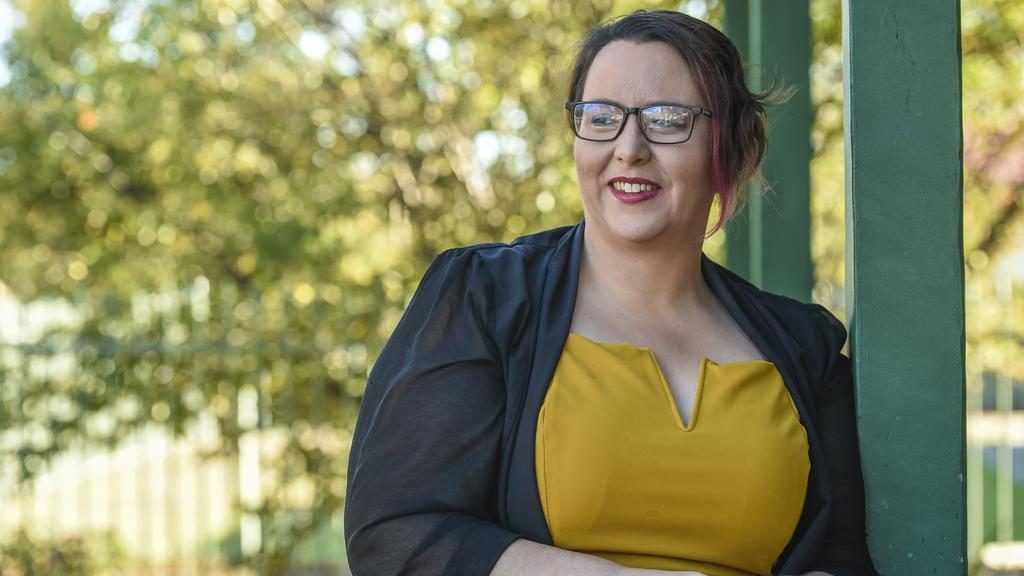
From Those Who Know highlighted real-life testimony of young children in detention, with Ms Reid stating at the time: "Every day, we see news stories and hear adults talking about 'youth crime' and their views on the problems and solutions – what is missing from these conversations is the views and perspectives of the actual people who are going through the youth justice system themselves."
In the report, confronting language, and testimony from 27 children interviewed paints a picture of the troubling and morally contentious nature of incarcerating children.
"They lock disability (sic) kids up in here, bro," one child interviewed said. "It's shameful."
Another child, recounting their first time in court said: "I remember crying when I got put in handcuffs, cause (sic) I didn't know what was happening. And then I thought I was going to, like, go to where the movies are, and get like flogged and stuff, like how you see it in the movies."
Children described the boredom in cells, some spending more than 18 hours a day inside them.
One young respondent said: "Every time I been in there [the cell], there's been this guy that just yells and yells and yells, just all the entire time. And I was trying to go to sleep for so long, but I just couldn't. And I was in there for like 8 hours. Just like, sitting there."
Ms Reid said she wrote to the Attorney-General to highlight the importance of "formally responding" to the children and young people who had shared their stories and opened up on their expertise and perspective inside youth detention.
"Despite being detained and deprived of their liberty, they spoke freely, with compassion and a desire to make things better," Ms Reid said.
"I advised the Attorney-General that sharing lived experience can lead to big emotions for children and young people and his response to their valuable information would go a long way towards recognising the significance of their contribution. In and of itself, this could be a rehabilitative act that can help build their connection to their community and government."
A government spokesperson did not address questions from National Indigenous Times about reasons behind the lack of reply to the Guardian, nor if the Attorney-General will reply in the future and/or have a sit down interview with Ms Reid.
In January, the SA government was criticised by Indigenous and Human Rights groups for only "considering" raising the age of criminal responsibility to 12, despite an Advisory Commission into Incarceration Rates of Aboriginal People - set up by the government - explicitly recommending the age be raised to 14.
The government spokesperson told National Indigenous Times the SA government does not have a policy position to raise the age, but any action taken would put community safety at the forefront.
"The government recently issued and consulted on a discussion paper setting out a range of proposals including raising the minimum age of criminal responsibility from 10 to 12 years of age," the spokesperson said.
"One option consulted on proposed exemptions so that children between 10 and 12 years of age could still be held responsible for serious crimes.The government is considering the submissions carefully."
According to the latest Closing the Gap data, on an average day in 2022-23, over 60 per cent of youth detainees in South Australia were Indigenous, despite making up only 4.7 per cent of the youth population.



