




New Department of Education, Children and Young People (DECYP) data indicates Indigenous children and young people continue to be disproportionately represented in northern Tasmania's Ashley Youth Detention Centre.
Recently released Department of Education, Children and Young People (DECYP) figures indicate on average, 19 children and and young people were detained at Ashley in the final quarter of 2025.
National Indigenous Times understands as of Tuesday, 20 young people are currently detained at AYDC, with 35 per cent of detainees Indigenous.
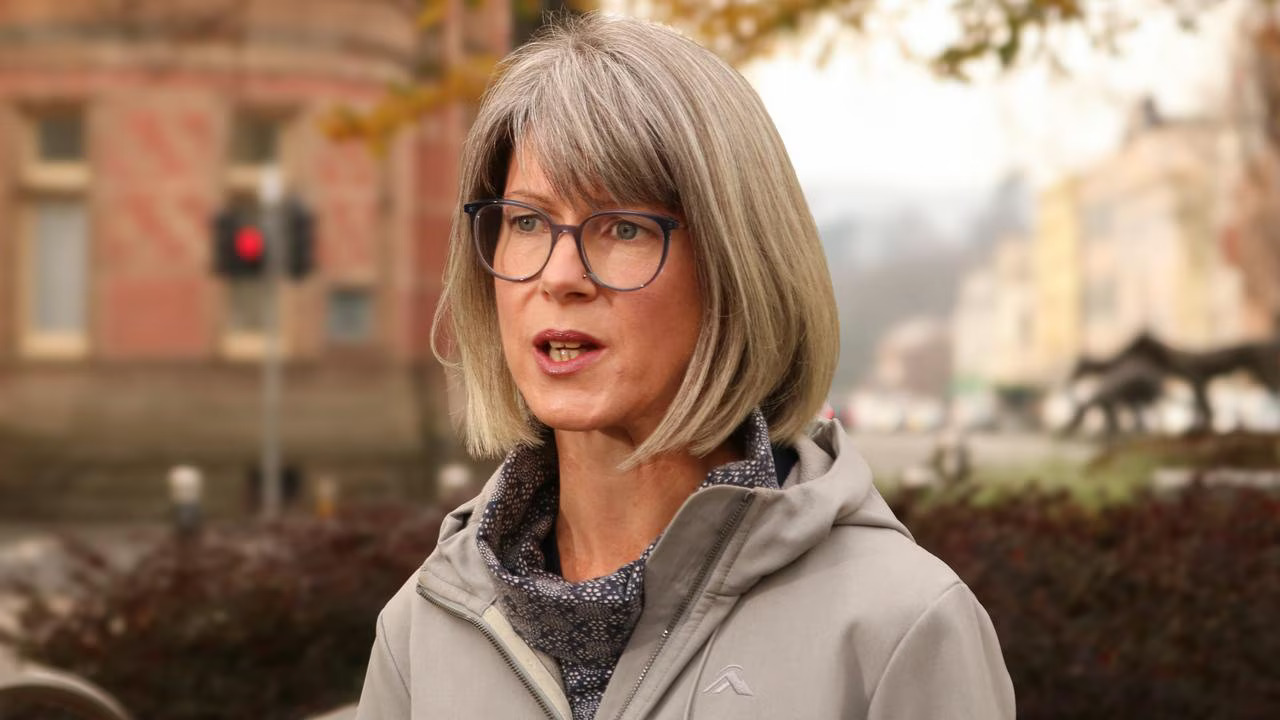
Greens Children and Young People Spokesperson, Cecily Rosol, labelled the figures "distressingly high".
"When the Liberals announced they would close Ashley five years ago, there were nine children at the Centre daily," Ms Rosol said.
"The Rockliff Government keeps saying they're reducing the number of young people at Ashley, but this data shows that's just not true. In fact, their polices are continuing to make things worse."
The Greens said the number of children at AYDC is 17 per cent higher than the same time the previous year. They say it's also at its highest level since there were 21 children in the Centre daily in the June 2024 quarter.
"The Liberals' 'tough on crime' approach is failing. It isn't reducing crime - all it's doing is seeing more young people locked up," Ms Rosol said.
"Given the Commission of Inquiry found there was a current risk of child abuse in Ashley, the Liberals should have been decreasing the number of children detained there - and closing the Centre as soon possible.
"But the number of children at the Centre is increasing, and work to close the facility has been repeatedly kicked down the road and mismanaged. It's disgraceful."
The data comes as the National Peak Body for Aboriginal and Torres Strait Islander Children, SNAICC — National Voice for our Children, called for nationwide reform of the country's youth justice system.
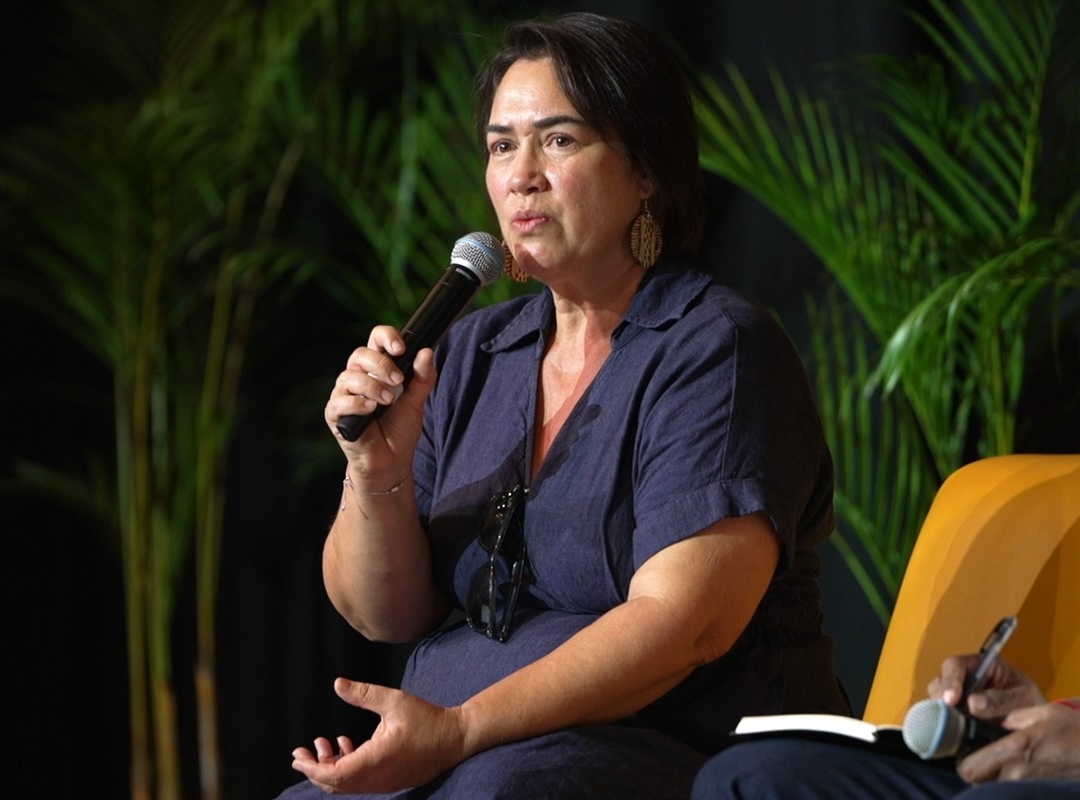
"There are steps the Federal Government could take right now that would have an immediate effect on the numbers of our children being incarcerated in youth justice," SNAICC CEO Catherine Liddle told the Senate Standing Committee on Legal and Constitutional Affairs on Monday.
Ms Liddle said early intervention to prevent child removal "will prevent our children from entering youth justice systems".
"It is well within the responsibility and jurisdiction of the Commonwealth Government to change the way Australia's incredibly expensive child protection and youth justice systems are funded to encourage policies like community-led prevention and early intervention services that keep children with their Aboriginal and Torres Strait Islander kin," she said.
"Governments need to step up and honour their commitments. They must be brave and face down populist responses in favour of policies that will work to make children and communities safer."
SNAICC said Indigenous children are 26 times more likely than non-Indigenous children to be among these so-called 'crossover kids', and despite making up only 5.7 per cent of this country's 10-17-year-old population, Aboriginal and Torres Strait Islander children comprise 63 per cent of children in detention.
The context in Tasmania is similar, with Indigenous children and young people disproportionately represented in the state's youth justice facilities.
According to the Australian Institute of Health and Welfare, the rate of Indigenous young people detained in Tasmania in the March 2025 quarter was 9.8 per 10,000 people, up from 9.0 per 10,000 in the June quarter of the previous year.
The data equates to Indigenous people in Tasmania aged 10-17 being 5.3 times more likely than young non-Indigenous Australians to be in detention on an average night during the reporting period, a sharp jump from 3.3 times more likely than in June, 2024.
Labelling the situation a crisis, Ms Liddle said child justice cannot continually be dismissed exclusively as a state an territory issue.
"We are letting our national and state policy be driven in response to media perceptions of youth crime waves, not what the evidence shows is an appropriate or safe response to children who need support," she said.
"While we recognise that criminal justice policy is set by the states and territories, our recommendations and messages ask for an activist approach from the Commonwealth government to lead a nationally coordinated reform agenda.
"We strongly urge the Australian Government to take forward these recommendations with urgency equal to the seriousness of the crisis."
Responding to questions posed by National Indigenous Times, Tasmanian Minister for Children and Youth, Jo Palmer, said the Tasmanian Government is committed to a youth justice system which achieves better outcomes for young people and their families and keeps the community safe.
"Our Government will continue to focus our efforts on diverting young people from the youth justice system and preventing offending behaviours," Minister Palmer said.
"The Government invests in a range of intervention programs, including JCP Youth's BEAST Program and the Youth After-hours Diversionary Service.
"There are a number of Indigenous-led programs at Ashley Youth Detention Centre available with the support of Ashley School, Programs and Operational staff."
The Government said the Youth Justice Blueprint 2024-2034 outlines the direction for youth justice in Tasmania over the next 10 years, with a focus on early intervention and diversion away from the youth justice system.
"The Youth Justice Act review is foundational to delivering a youth justice system that is contemporary and informed by evidenced best-practice," Ms Palmer said.
"The Youth Justice Act review is scheduled to be completed during 2027, in line with the Commission of Inquiry recommendations timelines.
"The review focuses on being 'tough on the causes of crime' to address offending behaviours, to divert children and young people from a path that that may lead to time in a custodial facility."
The Government also said Indigenous-led programs continue to be offered at AYDC.
They include a weekly program delivered by Circular Head Aboriginal Corporation (CHAC) to all young people onsite, legal workshops run by the Tasmanian Aboriginal Legal Service (TALS) several times a year for all young people at AYDC, and a series of music and visual arts based cultural sessions delivered by a Tasmanian Aboriginal artist to all young people through the Ashley School.
The government said a new arrangement with the Tasmanian Aboriginal Centre (TAC) is supporting an Aboriginal Education Worker to deliver weekly individual support for Aboriginal young people at AYDC.



