




The Northern Land Council says they are alarmed at the increased number of foreign fishing vessels landing on the shores of North-West Arnhem Land.
On Tuesday, the NLC said they were concerned the region was being targeted by illegal foreign fishing, due to north-west Arnhem's remoteness, lack of enforcement, and abundance of fisheries.
"There is a need to step up effort[s] to protect Australian coastline, which in the NT is 85 per Aboriginal-owned land," a NLC spokesperson said.
"A forfeiture and turnaround approach does not seem to be enough of a deterrent as vessels appear to be increasing in our region."
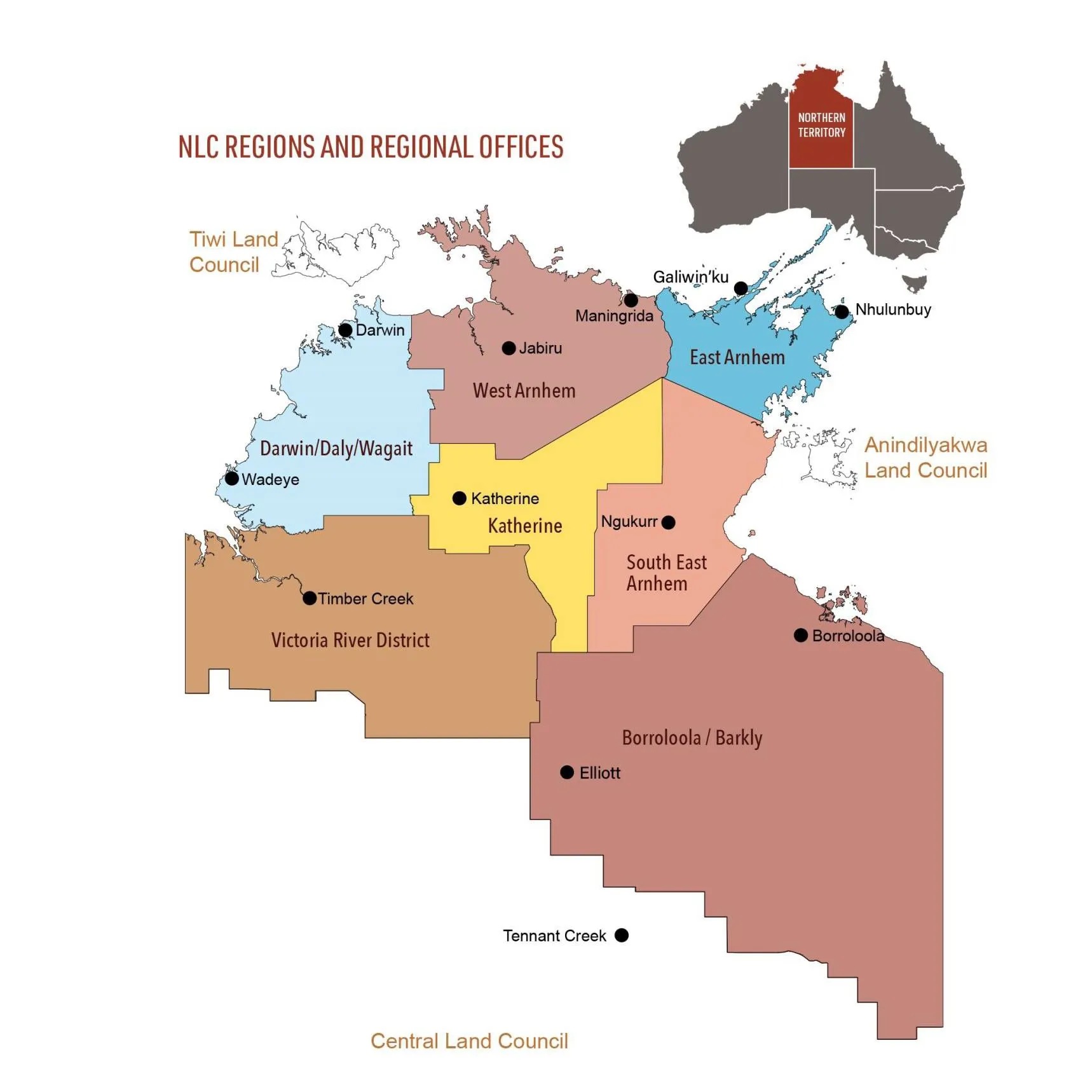
On Friday, Garngi Rangers discovered four vessels hiding in remote mangrove creeks on the north-western edge of Croker Island whilst the rangers were working on fire management projects and follows reports from Traditional Owners from the Cobourg Peninsula region of vessels being located with as many as 30 people being spotted walking on the coastline.
NLC Chair Matthew Ryan said the land council understands it is illegal fishermen who are coming to the Top End as a "high risk, high reward opportunity," due in part to their own overfished fishing grounds.
"Local Rangers and Traditional Owners have an incredible knowledge of Country and a strong understanding of entry and exit points – where they access freshwater and where they move with the tides to know where to prioritise patrol efforts to find illegal boats," Mr Ryan said.
"Rangers' reports of boats increasingly coming ashore on their Country in Arnhem Land is very concerning and needs to be addressed straight away."
Traditional Owners have expressed deep concern on the impact posed by foreign fishing vessels.
They say it threatens sustainable fisheries management and poses potentially devastating biosecurity risks.
These include the Indonesian outbreaks of lumpy skin, as well as foot and mouth disease, both of which the NLC say pose an "incredible threat to local industries".
Furthermore, NLC constituents say they are worried about bird flu getting into magpie geese and wild duck populations — a significant food source for remote communities.
"If these diseases were to enter Australia it would greatly impact livelihoods and cost the Australian economy billions of dollars," an NLC spokesperson said.
"Additionally, the risks to human health from increased foreign fishing vessels is concerning, with Monkey Pox, Tuberculosis and the potential for rabies real threats to our communities."
Aboriginal Rangers have operated as the eyes and east of the northern coastline, with the NLC saying they play a crucial role in providing intelligence and support to the Australian Fisheries Management Authority (AFMA) and Australian Border Force (ABF) to protect the coastline.
"Rangers and Traditional Owners carry out a really important service to help keep Australia's northern coastline healthy and safe," Mr Ryan said.
"A strong partnership with AFMA, ABF, NT Fisheries and NT Water Police is key, especially during this time of year when boat numbers increase."
The NLC said the partnership with the different agencies has been successful but said more could be done, arguing they wanted to partner with other government agencies "to extend and continue to strengthen our surveillance response".
They encouraged the new NT government to "reconsider" its approach to the amount of on-ground support provided to coastal Ranger groups, and said they were seeking stronger engagement and a whole-of-government commitment to "increase surveillance and to reinstate strong deterrents".



