



The Poche Centre for Indigenous Health located at University of Queensland and mental health organisation Beyond Blue have collaborated to provide culturally sensitive sleep health services to Aboriginal and Torres Strait Islander teenagers.
Associate Professor Yaqoot Fatima, who is leading the initiative, notes that Indigenous adolescents in the region experience a disproportionately high prevalence of sleep disturbances, with rates that are up to double that of non-Indigenous teenagers.
"Improving sleep among young people means they can become more engaged in school, sport, cultural and community activities," Dr Fatima said.
"Poor sleep can be caused by medical conditions like sleep apnoea and restless leg syndrome, or behavioural issues such as an irregular bedtime, late nights, and not getting enough sleep," Dr Fatima said.
"Our previous studies have already shown that Indigenous adolescents sleep better when they feel connected to their culture which is why this program is important."
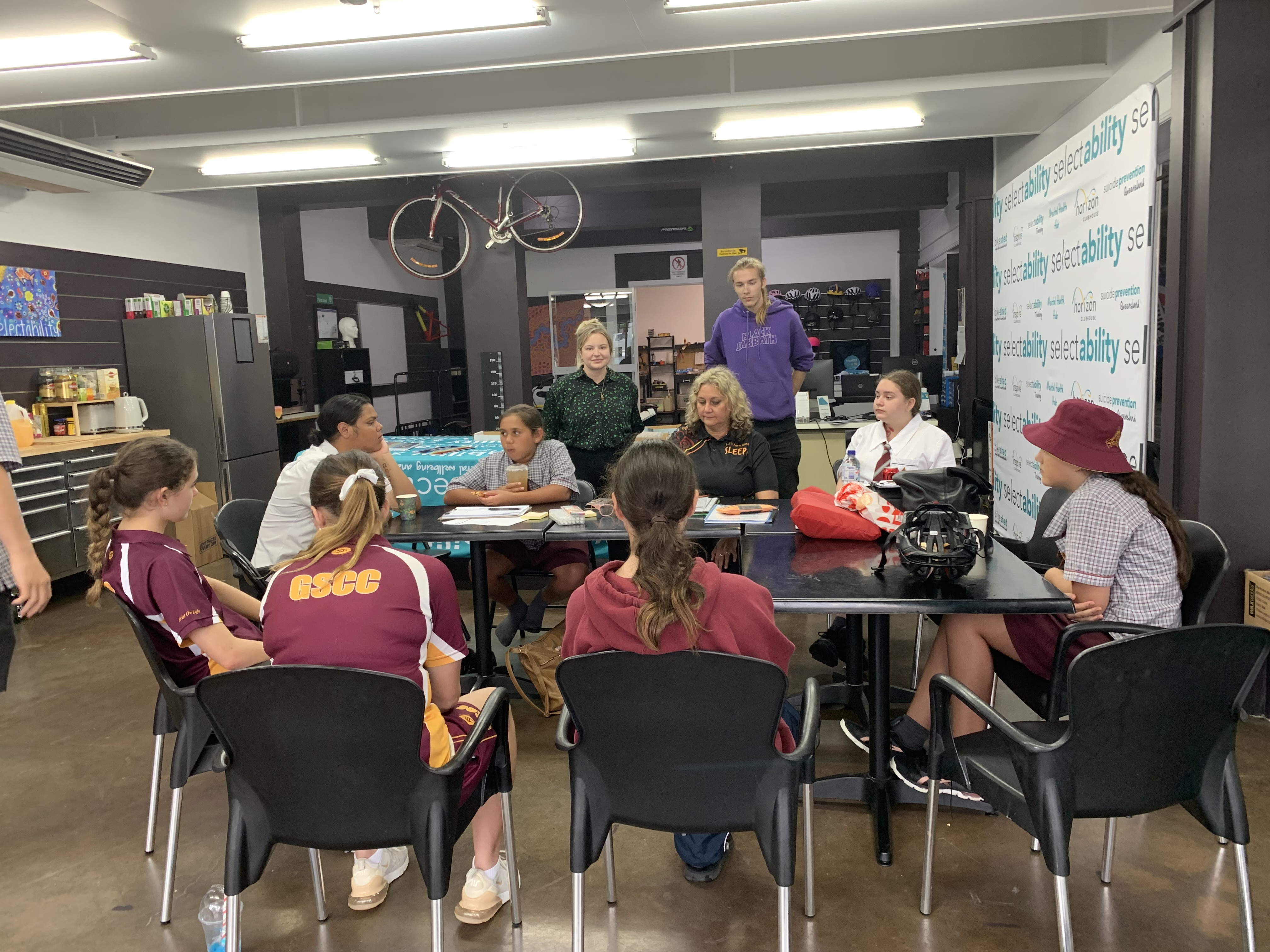
Over 100 adolescents aged between 12 and 18 years old in northern and western Queensland communities will benefit from the Sleep for Strong Souls program, which is scheduled to run for a duration of 10 weeks.
The program, led by the University of Queensland, aims to foster healthy sleep habits among teenagers by blending traditional and western knowledge. Following its successful trial in Mt Isa last year, the initiative is set to expand its reach to more communities in the region.
Dr Jason Lee, a psychiatrist and Board Director at Beyond Blue, has previously collaborated with Aboriginal and Torres Strait Islander Communities in the gulf region.
He says "we need to better understand the cultural origins and influences when it comes to emotional and social wellbeing, and that requires input from the communities into the design of mental health support programs."
"It's important to look at the links of poor sleep and social and emotional wellbeing, particularly in children given many mental health issues originate in childhood."
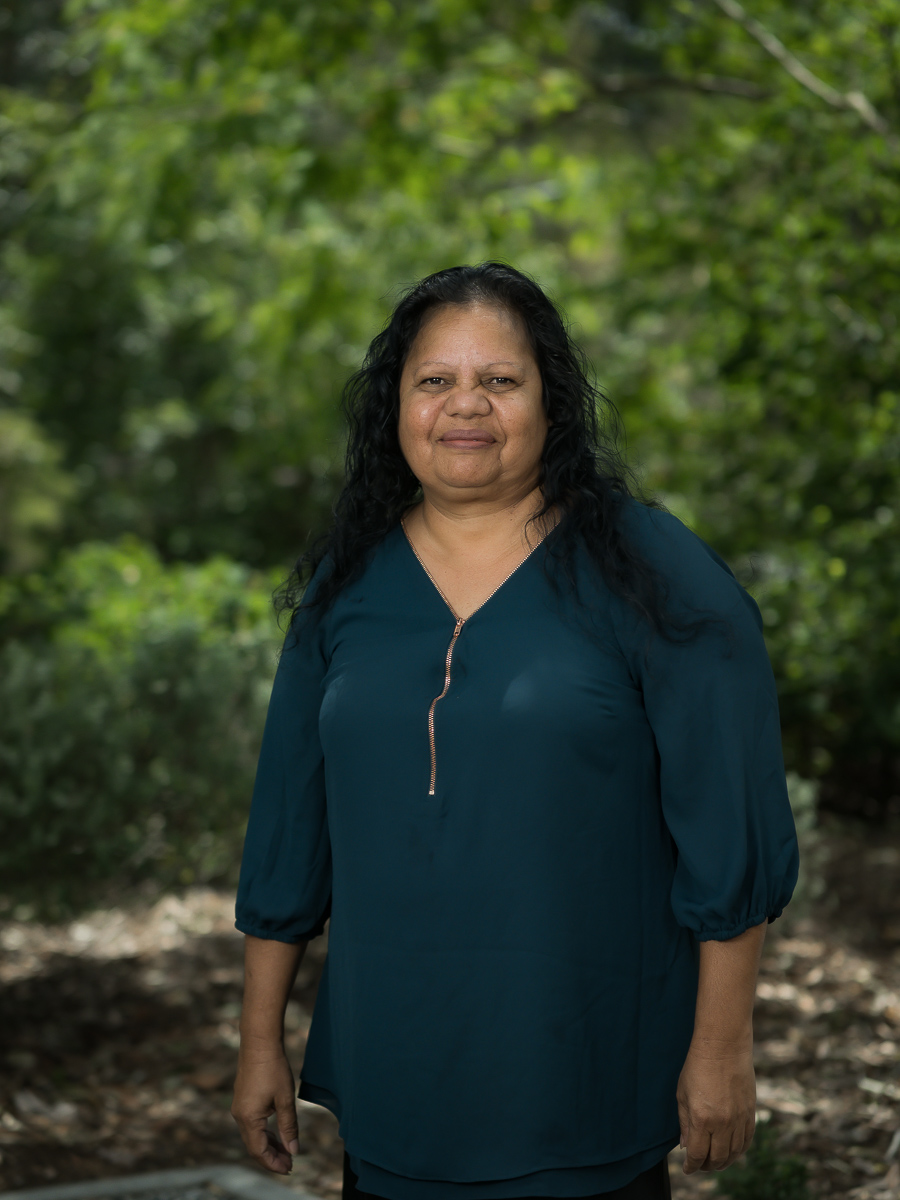
Karen Chong, a proud Waanyi Garawa Gangalida woman, grew up with a consistent routine that allowed her to sleep without any problems, until the arrival of cable TV and internet in her remote town.
"We were not sleeping like we used to, and I knew that something needed to be done that would be helpful to my family and community because sleep is important to our culture," Ms Chong said.
Ms Chong completed her training as an Indigenous sleep coach under the pilot program and is working towards becoming a sleep technician to train a new generation of sleep coaches.
"We are the People of the Dreamtime with the oldest continuing culture shaped by dreams, which is why I became a sleep coach and want to train others," Ms Chong said.
The Sleep for Strong Souls project received $783,000 from National Health and Medical Research Council (NHMRC), $185,000 from Beyond Blue, and is supported by Queensland Children's Hospital and Health Service, Ngak Min Health, Mithangkaya Nguli - Young People Ahead Youth and Community Services Indigenous Corporation, and the Sleep Health Foundation.



