



The former boss of Doomadgee's Gidgee Healing has backed calls to overhaul Queensland's Aboriginal health service.
Speaking on Tuesday at the the inquest of three young Indigenous women from Doomadgee who died with rheumatic heart disease between 2019-2020, Queensland health chief operating officer David Rosengren told the Queensland coroner health service in the town was too complicated.
Gidgee operates branches across Queensland's north-west and works with Doomadgee Hospital and the State's health service, which the inquest heard could confuse patients on where to go for help.
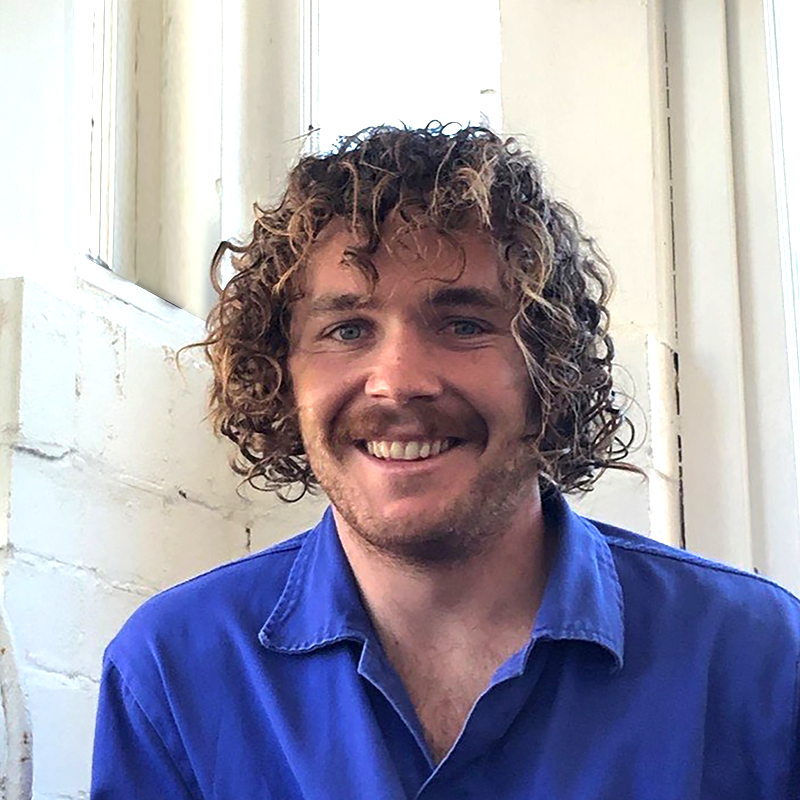
On Wednesday former Gidgee Healing chief executive Renee Blackman said she faced significant barriers during her time in Doomadgee.
The coroner heard those roadblocks included gaining ACCHO accreditation, recruiting, securing premises for operation and a fractured relationship with the local state hospital.
Similar concerns had been echoed by witnesses during the week.
On Monday the court heard difficulties obtaining medical notes between services complicated the treatment of one of the women at the centre of the inquest in the months leading up to her death.
Ms Blackman's said Gidgee used a seperate platform for lodging patient records to the state hospital leading to constraints accessing information.
The court heard a laptop was provided to the hospital for access to Gidgee's notes when needed.
But evidence presented to the coroner suggested there was a strained relationship between the two providers which may have affected collaboration.
Ms Blackman said without a positive relationship people "will fall through the cracks".
Adding to the woes, a disparity in funding received and salaries available to staff were said to put the community health sector at a disadvantage, including a reliance on fly-in fly-out doctors.
The coroner heard how Gidgee operated under an agreement with state and associated primary care services, each responsible, in-theory, for specific areas of care.
Gidgee was expected to take on chronic health issues and community outreach, leaving emergency and acute services to the hospital.
Questioned by counsel assisting the coroner, Ms Blackman conceded a simplified system utilising a single first point of contact directing patients where to go might prevent the double-up of services and help concentrate their efforts.
"I think that a hybrid model, though, in terms of the complexity is probably the way to go," she said.
"That would make an absolutely rounded out service that would provide some sort of visibility across both systems."
The court heard a mending of relationship between the entities would need to come first.
The inquest continues.



