



34 Aboriginal community leaders, human rights experts, justice advocates and other notable Western Australians have issued a call for urgent reforms in an open letter to the state's government on the anniversary of the Royal Commission into Aboriginal Deaths in Custody.
The signatories to the letter include Dr Hannah McGlade, Professor Jocelyn Jones, Dr Fiona Stanley, former senator Patrick Dodson, Professor Cheryl Kickett-Tucker, Professor Patricia Dudgeon, chair of the WA Stolen Generations Aboriginal Corporation Jim Morrison, Aboriginal Legal Service of WA chief executive Wayne Nannup, and many more.
The Royal Commission, which began in 1987, issued its findings and made over 300 recommendations on April 15, 1991. Many of the recommendations have not been implemented and since the Royal Commission completed its work, at least 630 Indigenous people have died in custody.
The open letter calls for the WA Government to "act immediately" and: Fully implement all outstanding recommendations from the Royal Commission into Aboriginal Deaths in Custody; End the use of imprisonment as a default response, particularly for Aboriginal women and people with disability, ensuring custody is only used as a last resort; Invest in Aboriginal community-controlled, culturally safe diversion, healing, and throughcare programs; Ensure all people in custody receive timely, appropriate, and trauma-informed medical, mental health, and disability care; and Embed Aboriginal self-determination and leadership in the design, delivery, and evaluation of justice and custodial services
National Indigenous Times has contacted WA Premier Roger Cook, Minister for Aboriginal Affairs Don Punch, and Minister for Corrective Services Paul Papalia for comment.
The full letter is below. Note - it contains the name of an Aboriginal person who has died.
Letter to the WA State Government on Aboriginal deaths in custody
It's 35 years since the Royal Commission into Aboriginal Deaths in Custody handed down its report investigating the deaths of Aboriginal people in custody.
The Royal Commission identified the serious issue of Aboriginal over-incarceration and called for imprisonment to be imposed only as 'a measure of last resort'. This has not happened as Aboriginal incarceration continues to rise, every year, along with deaths in custody.
The inquiry also identified the importance of Aboriginal self-determination as a necessary response to colonisation and Aboriginal deaths in custody.
This is also the right of Aboriginal and Torres Strait Islander people under the UN Declaration on the Rights of Indigenous Peoples.
Too often Aboriginal people are denied their right to self-determination and experiencing systemic discrimination, including in the criminal justice system.
These ongoing failures constitute a breach of fundamental human rights, including the right to life, dignity, and culturally safe care.
Aboriginal women in West Australia have been described as 'the most incarcerated group of people in the world'! This is a shameful reflection on the state and its treatment of First Nations women and families.
Aboriginal women are also at very high risk of family and domestic violence and 17.5 times more likely as mothers to be a victim of homicide than non-Aboriginal women.
Aboriginal women in prison have complex, intersecting health needs. These include chronic illness, mental health conditions, disability, substance dependence, and intergenerational trauma caused by colonisation, child removal and systemic racism. Yet prison healthcare systems treat these issues in isolation, if at all.
Prison healthcare is built on Western medical frameworks that fail to recognise Aboriginal concepts of health. These systems overlook the cultural, historical, social and spiritual dimensions that are central to Indigenous wellbeing. Aboriginal women are treated as problems to be managed rather than people to be cared for. The responses to Aboriginal women evidence neglect and failures to address the violence, which underlines Aboriginal women's incarceration.
We cannot change what happened in the past, but we must do better today.
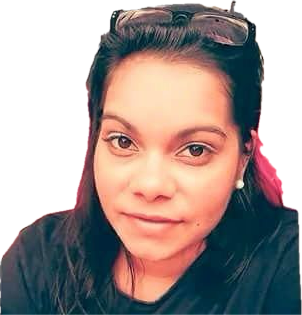
Patricia Howell was a 35-year-old Noongar woman who recently died in Bandyup, she was a young mother who had a history of family violence and child sexual abuse. Given Patricia's significant cognitive impairment, complex mental health conditions, history of trauma, and recent stroke, she was at high risk of harm and required immediate and ongoing medical, psychological, and custodial support to ensure her safety while in custody.
Prior to her death, Patricia's mother formally wrote to authorities outlining her daughter's severe cognitive impairment, complex health needs, and vulnerability, and requested urgent support and intervention.
Patricia Howell's death was not an isolated incident - it reflects systemic failures in custodial care, disability and mental health support, and responses to Aboriginal women in crisis. Her calls for help were not met with care, or urgency. This should never happen in a system responsible for the safety of those in its custody.
We, the undersigned, call on the WA Government to act immediately and,
· Fully implement all outstanding recommendations from the Royal Commission into Aboriginal Deaths in Custody
· End the use of imprisonment as a default response, particularly for Aboriginal women and people with disability, ensuring custody is only used as a last resort
· Invest in Aboriginal community-controlled, culturally safe diversion, healing, and throughcare programs
· Ensure all people in custody receive timely, appropriate, and trauma-informed medical, mental health, and disability care
· Embed Aboriginal self-determination and leadership in the design, delivery, and evaluation of justice and custodial services
Thirty-five years on from the Royal Commission, the continued deaths of Aboriginal people in custody represent not a lack of knowledge, but a lack of political will.
The Western Australian Government must act now to prevent further loss of life. Aboriginal people, families, and communities have long called for change.
It is time to listen, to act, and to be held accountable.
We call on the Premier and his government to end this violence, stop Aboriginal Deaths in Custody, and respect the lives of Aboriginal women today!
Signatories
Hannah McGlade
Associate Professor, Curtin University Law School
Lorraine Pryor
Voices of Hope
Jocelyn Jones
Associate Professor, Kurongkurl Katitjin, Edith Cowan University
Fiona Stanley
Distinguished Research Professor, The Kids Research Institute, UWA
Patrick Dodson
Former Senator, Australian Labor Party
Dawn Wallam
Chair, Noongar Family Safety and Wellbeing Council
Barbara Henry
Noongar Family Safety and Wellbeing Council
Cheryl Kickett-Tucker
Professor, Aboriginal Education, Community & Wellbeing, Curtin University
Patricia Dudgeon
Professor, Bilya Marlee, School of Indigenous Studies, UWA
Corina Martin
CEO, Western Australian Family Violence Prevention Legal Service Aboriginal Corp
Devon Cuimara
Aboriginal Males Healing Centre, Strong Spirit, Strong Family, Strong Culture Inc
Laurel Sellers
CEO, Yorgum Healing Services
Stella Tarrant
Associate Professor, UWA, Law School
Hayley Passmore
Lecturer, UWA Law School
Emma Tufuga
Research Fellow, National Drug Research Institute, Curtin University
Joanne Della Bona,
CEO, Coolabaroo Community Services
Hilde Tubex
Professor, UWA Law School
Jamie Walvisch
Senior Lecturer, UWA Law School
Jim Morrison
Chairperson, West Australian Stolen Generations Aboriginal Corporation
Alison Evans
CEO, Centre for Women's Safety and Wellbeing
Glenda Kickett
Karla Kuliny
Louise Fischer
Research Fellow, Kurongkurl Katitjin, Edith Cowan University
Heather Douglas
Professor, Melbourne University, Law School
Victoria Hovane
Professor and Psychologist, Centre for Social Impact, UWA
Wayne Nannup
CEO, Aboriginal Legal Service, WA
Jennie Gray
Principal Legal officer, Women's Legal Service WA
Stephanie Monck
Principal Legal officer, Women's Legal Service WA
Carol Dowling
Lecturer Centre for Aboriginal Studies, Curtin University
Anna Copeland
Associate Professor, Law and Social Sciences, Murdoch University
Carol Bahemia
Legal practitioner
Betsy Buchanan
Legal Advocate, Daydawn Advocacy Centre
Kathryn Sharpe
Redgum Justice
Paul Flatau
Director, Centre for Social Impact UWA
Narelle Guest
Prison Outreach Project Officer, Curtin University



