


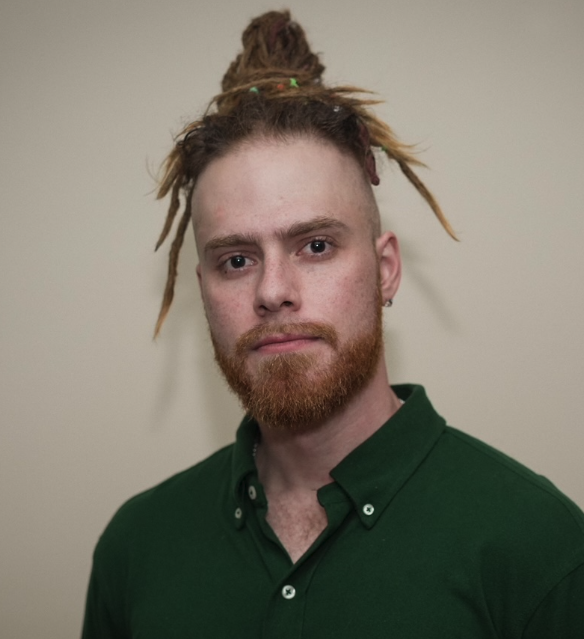

Gurindji and Noongar woman Ebony Hill is among the first graduates of Flinders University's paramedicine program in the Northern Territory and is now in her second year of a Doctor of Medicine degree.
Ms Hill left school after Year 11 and later became a stay-at-home mother of four.
A decade on, she has completed a Bachelor of Paramedicine and is now on track to become a doctor by 2027.
As an Indigenous student, she said her motivation stemmed from what she witnessed growing up.
"Growing up in Darwin and witnessing the health inequalities firsthand really motivated me to contribute actively towards a solution," she told Flinders University.
Her interest in science and desire to help others led her to study paramedicine before progressing into medicine.
"Paramedicine was a fun and exciting way to gain medical knowledge while engaging directly with my community," she said.
Ms Hill began her academic journey in 2019 with a bridging course and a nursing degree before enrolling in paramedicine.
She said choosing Flinders was a clear choice.
"Flinders stood out to me, not only because of its strong reputation but also because it aligned with my future plans," Ms Hill said.
"The staff got to know us personally and supported us through the challenges.
"We started with 16 students, and while the numbers dropped over time, it brought us closer together."
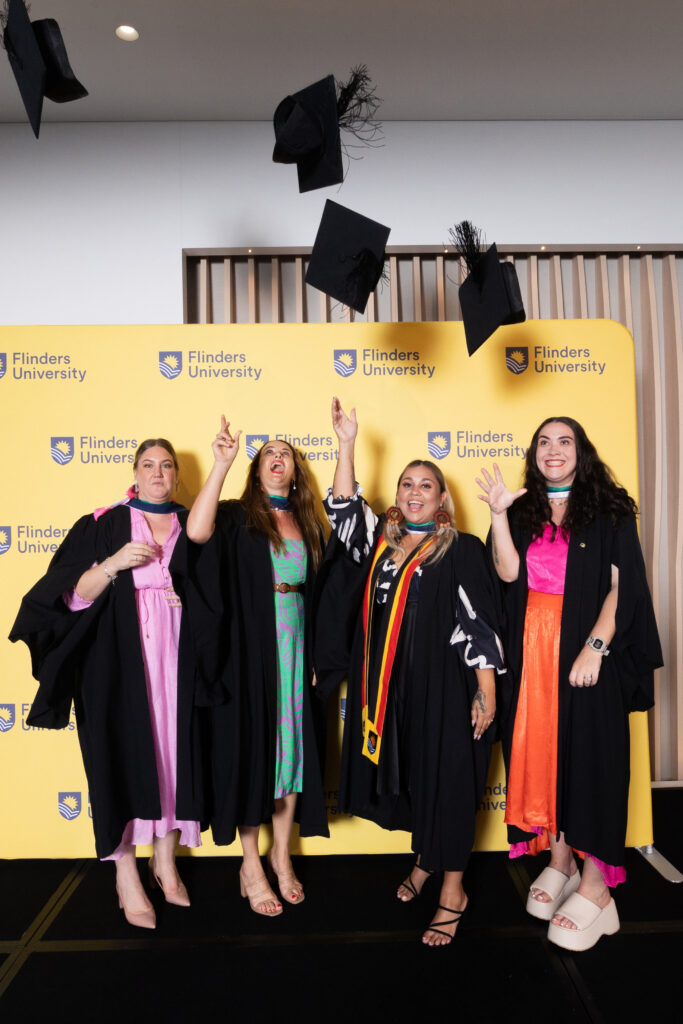
The program involved practical intensive blocks and regular placements with St John Ambulance NT.
"Each semester, we completed two blocks of four 12-hour shifts, including night shifts."
"Going into Indigenous communities and treating respected elders was incredibly meaningful. There was never a placement where I didn't treat someone I had a personal connection with."
Balancing study and family life was difficult, but she credits Flinders' support systems.
"Having 24/7 access to a paramedicine room, equipped with St John Ambulance gear, was invaluable."
She said the Indigenous student support program and mental health services were vital in helping her complete her final semester.
"The Yungkurrinthi tutorial program was immensely helpful, especially during my final semester."
Ms Hill hopes to work in remote Indigenous communities after graduating.
"I want to provide culturally safe healthcare and empower people to take control of their health."
"Don't be afraid to aim high. Even if you didn't follow a traditional academic path, embrace your journey."
"Being the first Indigenous paramedicine graduate in the NT is an incredible achievement...I hope my journey inspires other Indigenous Territorians to pursue this career path."
Ms Hill is now focused on completing her medical studies and continuing her work in health.



