




It is a family affair for the Birriliburu rangers who spent March using their tracking skills to find tjakura burrows and collect scientific data for an Indigenous-led National Recover Plan for the animal.
Also known as Mulyamiji March, the Birriliburu rangers had a busy few weeks out in Katjarra (Carnarvon).
After 40 degree days, downpours and enduring wet swags, 26 active burrows were found. The tjakura is also known as the tjalapa, warrana, mulyamiji or the great desert skink.
The Birriliburu rangers are made up of Elders, some of them family, who have grown up on this Country.
As part of Mulyamiji March, ranger and Elder Lena Long said they also spoke to the school children in the area about preserving the tjakura for years to come.
"We want to try and protect them because we want to take the school kids out to see their house," she said.
"We showed them (the tjakura burrows) with a camera how it is, it's all rough and ready.
"Very clean them skinks...when they go to the toilet they keep well away from their home."
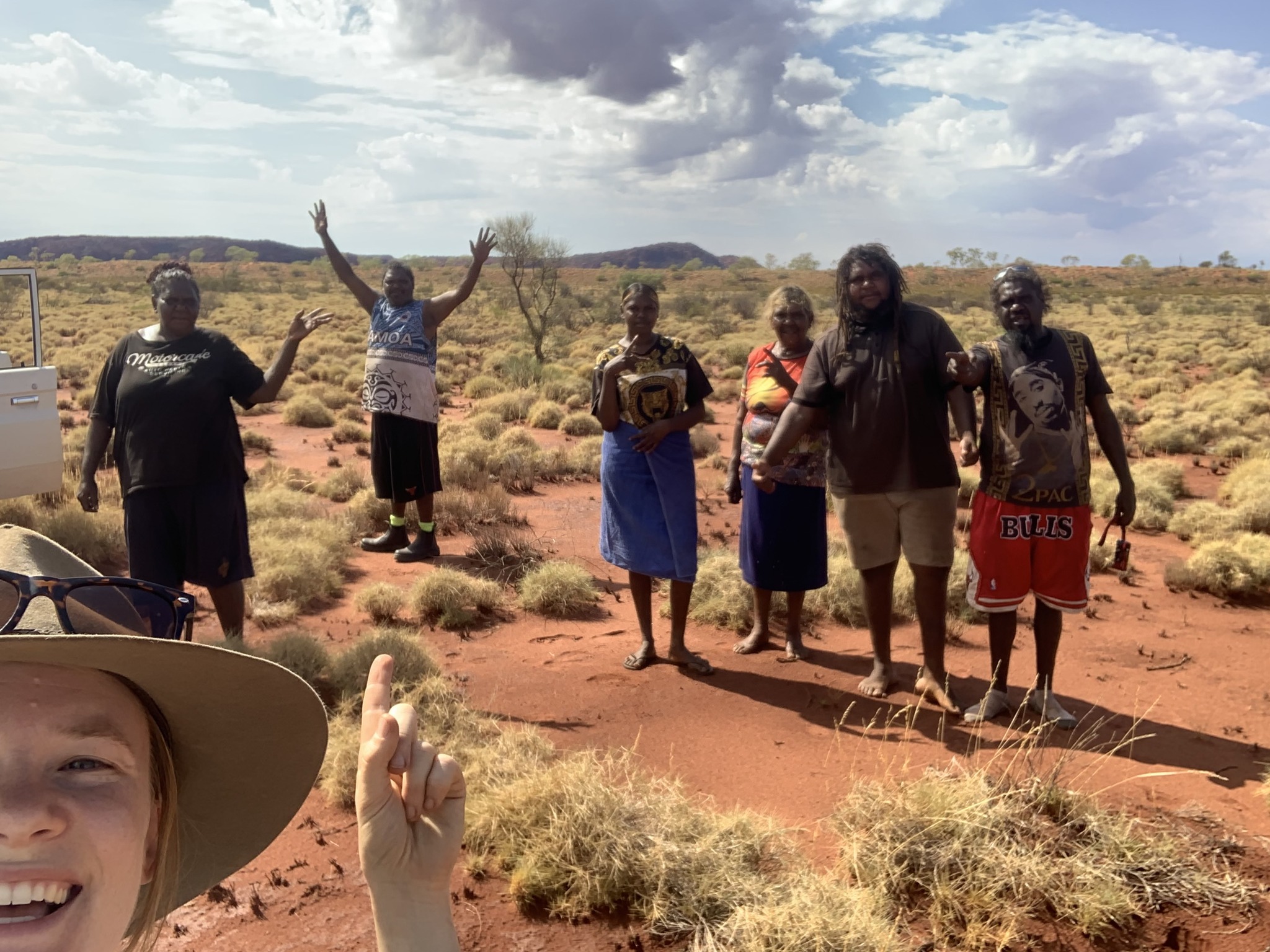
Healthy country ranger Stella Shipway said the rangers and herself weren't sure how many burrows or tjakura they could find but were pleasantly surprised with what they found.
"Over the past couple years we've been doing more and more surveys. We've found them now in three different spots out at Katjarra which is really exciting," she said.
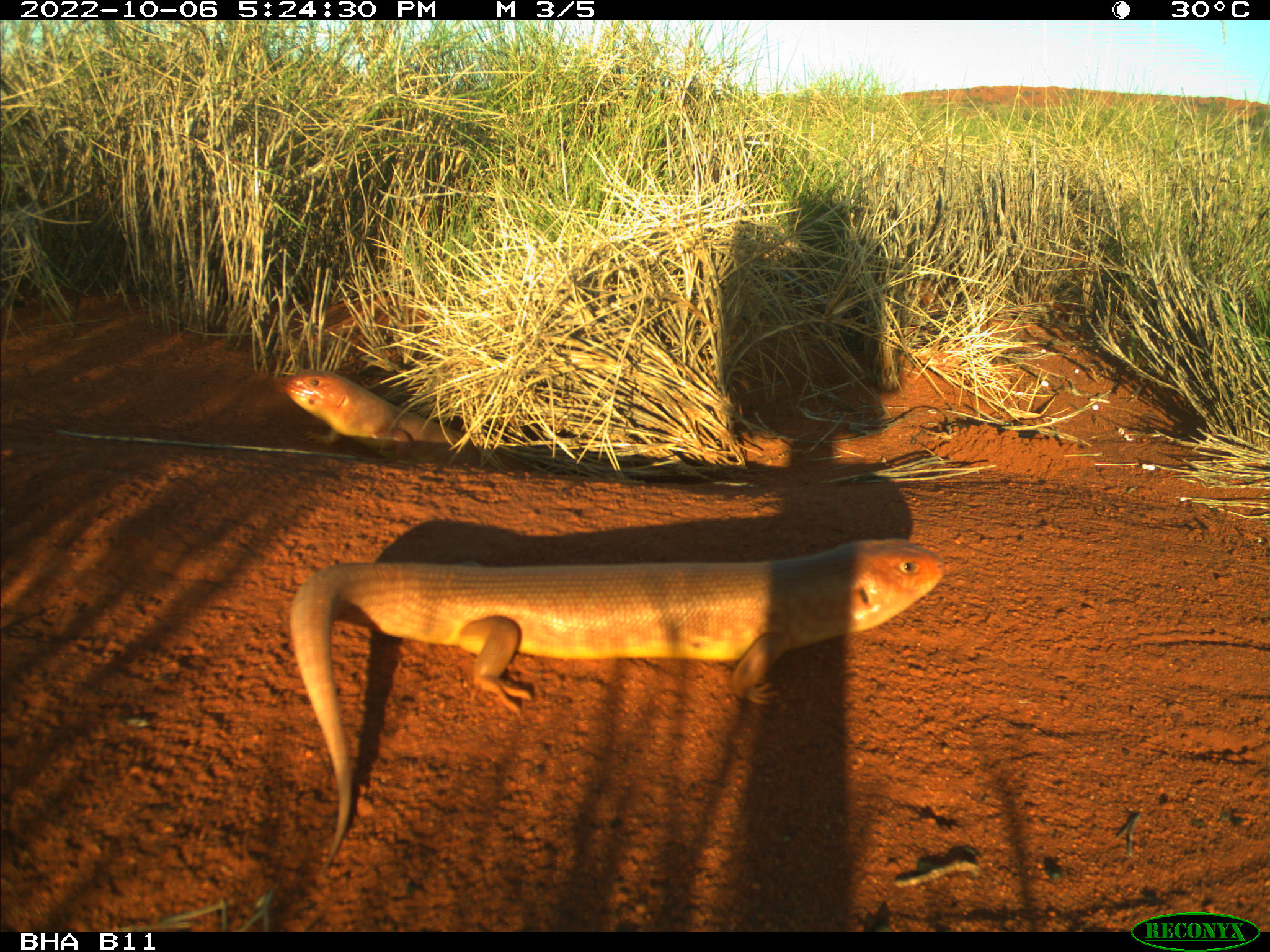
"And with these camera photos we know they are doing really well.
"We see babies, when we look at the different scat sizes we see really big, fat scat which is for the adults and then little baby scats as well.
"So seeing that footage of them mating in front of the cameras is just fantastic."
Birriliburu ranger Caroline Long said it has been a joy to see so many burrows crop up in recent years.
"When we first started off with this lot we only had a couple burrows," she said.
"But when we went with Stella before we sort of spread out and we found 32 burrows more because we went way out.
"Now that they are there we want to protect them and learn from them."
Despite the years she's spent working as a ranger, Lena said she has no plans on slowing down anytime soon.
"I've been working on this ranger work for a long time now, it's about time I retired," she said laughing.
"No I'm enjoying my gift and I want to keep going."



