


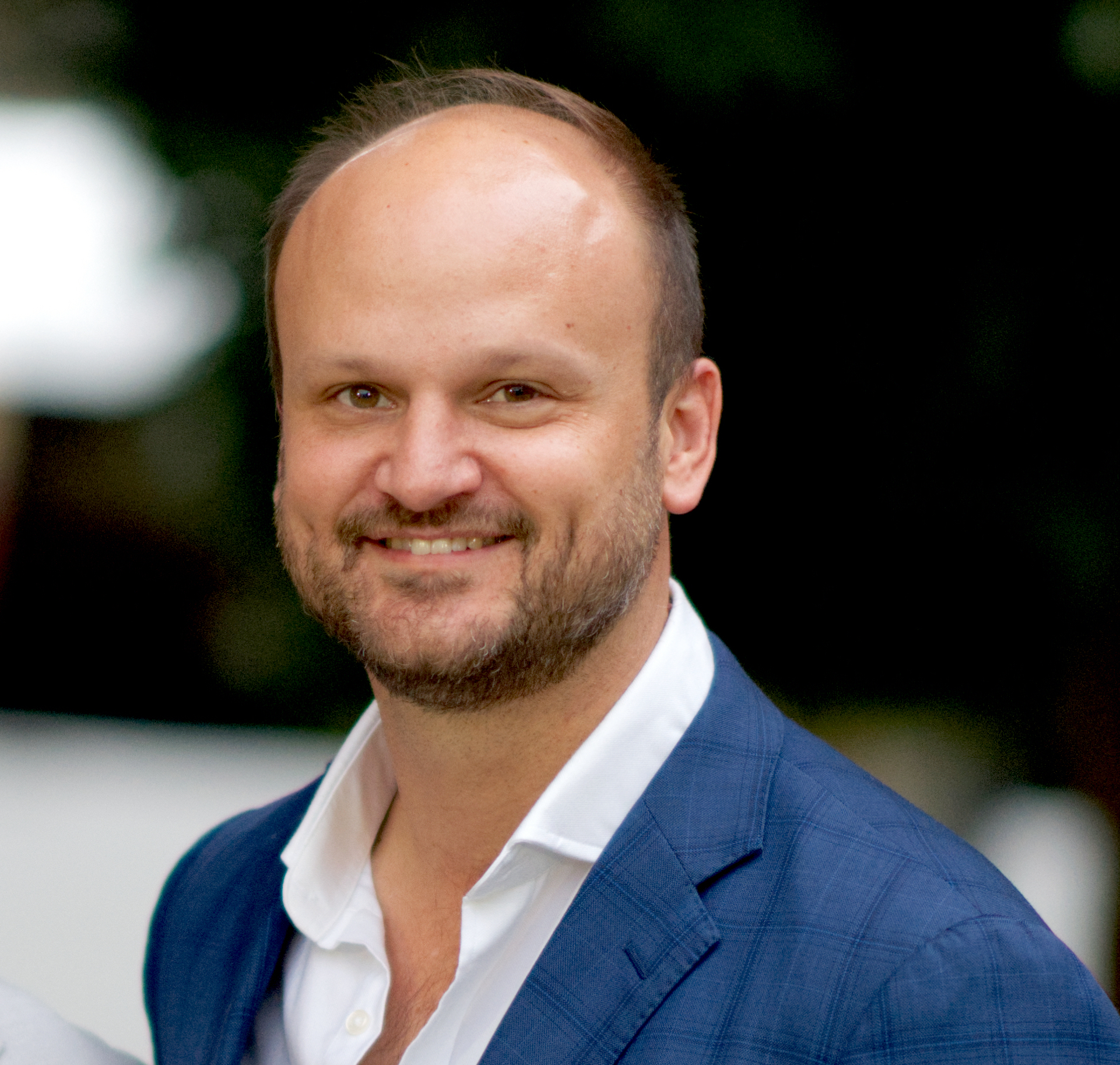

When Western Australia's Governor Chris Dawson stood on the banks of Bilya Maadjit (Murray River) last month and apologised for the 1834 Pinjarra Massacre, his words carried the weight of 191 years of silence.
"The time has come to acknowledge the truth of the past actions of a predecessor," he said.
It was the first time a state governor had apologised for a colonial atrocity, and in Boorloo/Perth, that call for truth-telling is now echoing through City Hall.
The City of Perth's 2022-2024 Reconciliation Action Plan, endorsed under former Lord Mayor Basil Zempilas, lapsed earlier this year without renewal or replacement. Its expiry left the City without an active reconciliation framework for much of 2024, even as the state entered a new era of historical reckoning in the lead up to the 2029 bicentenary.
Lord Mayor Bruce Reynolds, who took office last month, confirmed the review of the plan to National Indigenous Times this week, describing it as part of a broader period of reflection and reform.
"The City's Reconciliation Action Plan is currently under review," Mr Reynolds said.
"It is one of several major consultations in 2025 involving the City's Elders and other Aboriginal stakeholders, including the Perth Capital City Plan and the Central Perth Public Space and Public Life review. Insights from these consultations will guide the next Reconciliation Action Plan, with broader community engagement and Council consideration scheduled for 2026."
The Lord Mayor said the City's priority is to strengthen cultural visibility and "walk together toward a more inclusive future."
"Boorloo sits proudly within Whadjuk Nyoongar Country," he said.
"Our responsibility is to ensure the truth of this place, its people, its history and its continuing stories, is visible in everything we do."
Boorloo's public spaces have become battlegrounds for confronting the hard truths of Western Australia's colonial past.
In 2020, as Black Lives Matter protests swept across the globe, Boorloo's statue of Governor James Stirling was splashed with red paint.
Stirling, the state's first governor, led the military party responsible for the Pinjarra Massacre.
The statue, unveiled by Prince Charles in 1979, was later relocated outside the City of Perth Library but remains in storage during refurbishment works. Calls have since grown for it to stay there permanently.
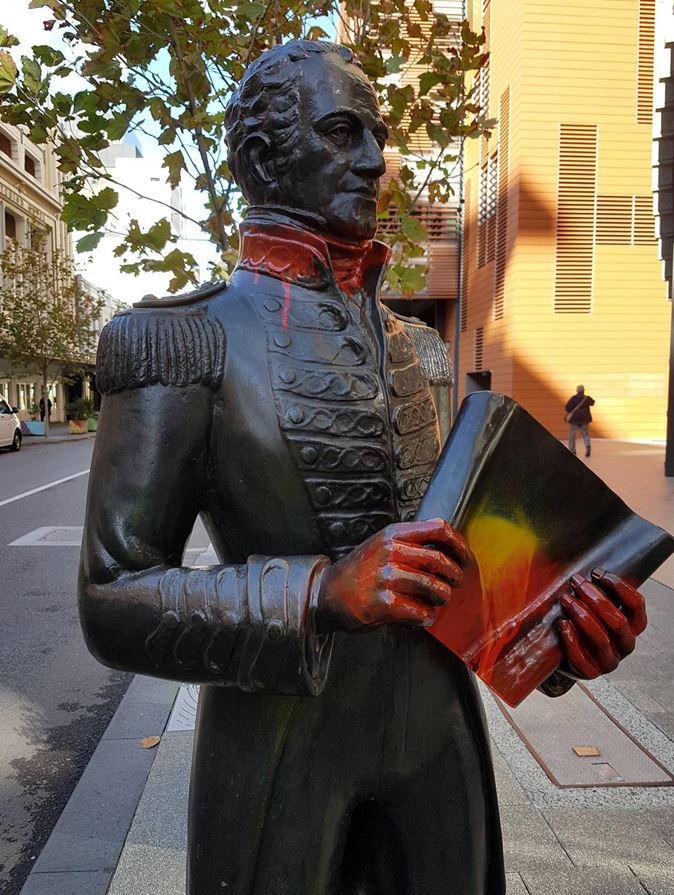
Local historian Jenny Gregory has described statues like Stirling's as "lightning rods of social conflict", arguing that such monuments force Australians to decide how they wish to remember conquest and resistance. In her essay Dark Pasts in the Landscape, she traces how statues of colonial leaders and Aboriginal warriors have long reflected the divide between commemoration and conscience.
Attention has now turned to another figure, John Septimus Roe, the colony's first surveyor-general, whose statue stands at the corner of Victoria Avenue and Adelaide Terrace on the site of his former home, and whose name adorns a major highway through the city. Activists and historians have renewed calls for its removal, citing Roe's role in the massacre, as well as mapping and legitimising Noongar dispossession during the early expansion of the Swan River Colony.
The City of Perth's previous Reconciliation Action Plan promised to embed Aboriginal culture visibly within the urban fabric of Perth. Under the 2022-2024 plan, the City created new heritage walking trails, supported Elder-led Sorry Day and NAIDOC Week events, hosted the Noongar Carol Choir at the City Library, and presented Corroboree in Light, a Noongar-inspired sound and light installation at Elizabeth Quay.
It also pledged to increase Aboriginal procurement, recognise sites of cultural significance such as Matagarup (Heirisson Island), and advocate for the establishment of a dedicated Aboriginal Cultural Centre within Perth.
Those actions, Mr Reynolds said, are "building blocks for trust and cultural respect," but they are only the beginning.
Governor Dawson's apology has renewed attention on the individuals who shaped Western Australia's colonial foundations and the institutions that continue to honour them. Historians now widely accept that Stirling's party killed at least 16 Bindjareb Noongar men, women and children at Pinjarra, with some estimates much higher. The Governor's apology, delivered after consultation with Traditional Owners and historians, was the first explicit acknowledgment of that truth from a state official.
Governor Dawson presented an olive tree propagated from one planted by Stirling in the 1830s to the Bindjareb community, a gesture of reconciliation symbolising healing and renewal. That symbolism has reignited debate. What does reconciliation look like when a city still displays, or hides, the likenesses of those who led acts of violence against Aboriginal people?
Some advocates say the City of Perth should follow Fremantle's lead. In the 1990s, after community dialogue, a new plaque was added to the Explorers' Monument acknowledging the Aboriginal people killed at La Grange. Others argue for relocation to museums, where statues can be interpreted in context, rather than erased.
The City of Perth has not yet confirmed whether its new Reconciliation Action Plan will address monuments directly. But as the city prepares to draft its next plan, that question looms large. The City's Elders Advisory Group, which meets quarterly under the guiding principle Yacker Danjoo Ngala Bidi (Working Together Our Way), will again play a central role in shaping the path forward.
"Kwop wirrin boodja moorditj ngullarkin djennabidi nidja boodja," said Lord Mayor Reynolds, invoking the words of the Elders. "The spirit of this land will heal and guide us as we walk together."



