



Two years on from the vote on the Indigenous Voice to Parliament and constitutional recognition of First Peoples, Voice campaigners say they will not walk away from efforts to realise what it set out to achieve.
On October 14, 2023, 15.9 million people went to the polls for the country's first referendum in more than two decades.
39.94 per cent of voters, or 6,286,894 people, voted in favour of establishing an Aboriginal and Torres Strait Islander Voice and constitutional recognition.
Just over 60 per cent voted against the proposal, including the majority from all states and territories with the exception of the ACT.
Key figures in the 'Yes' camp, Professor Megan Davis and Pat Anderson, are co-chairs of the Uluru Dialogue.
The group describes themselves as 'the cultural authority' of the Uluru Statement from the Heart, and mobilised a nation-wide campaign in support of the Voice proposal, including a lengthy schedule of community meetings around the country.
"While the result was devastating for many Australians, and especially for our communities who overwhelmingly voted Yes, it does not end the journey," Professor Davis and Ms Anderson said on the referendum's two year anniversary.
"This movement for constitutional recognition now involves 6.2 million Australians in 151 electorates across all parties. 6.2 million Australians have joined the movement, and that invitation still stands for all Aussies.
"Two years on, little has changed. But the reasons that compelled Prime Minister Albanese to commit to a Referendum have not changed in two years. The status quo remains. We know that."
On Tuesday, the First Peoples' Assembly of Victoria's co-chairs are due to address the state's Parliament, a month on from historic Treaty legislation being tabled in the building.
South Australia passed legislation to establish a state-based Voice last year, while similar proposals and movements across other jurisdictions have wavered, some abandoned, in the previous 24 months.
Without a national body, "First Nations people still have no voice, and this manifests in the relentless and unyielding gap in disadvantage", Professor Davis and Ms Anderson said.
"The Closing the Gap statistics are not improving, and the data lag makes it difficult to assess," they added.
"The Federal Government works through a complex array of Indigenous incorporated entities reliant on taxpayer funds. This has softened the critique, and the situation has become more bureaucratic and more Canberra-driven, despite the devolution of responsibility to the states and territories.
"Australia's integrity measures are not robust enough to tell us where the money goes in a coherent and timely manner and why things aren't working."
The most recent Productivity Commission report on Closing the Gap showed only four of fifteen targets are improving and on track to be met under the National Agreement timeframe.
It also showed outcomes are continuing to worsen in four targets: adult imprisonment; children in out-of-home care; suicide; and children developmentally on track.
Professor Davis and Ms Anderson pointed to "housing, water, electricity and violence to name a few" as "fundamental building blocks of a dignified human life" where many Indigenous Australians are still struggling.
"We remain steadfast in our commitment to what we know works: Voice matters. The Voice Referendum may have been lost, but political loss is a normal feature of the political process," they said.
"The future is ours to shape. We will not walk away."
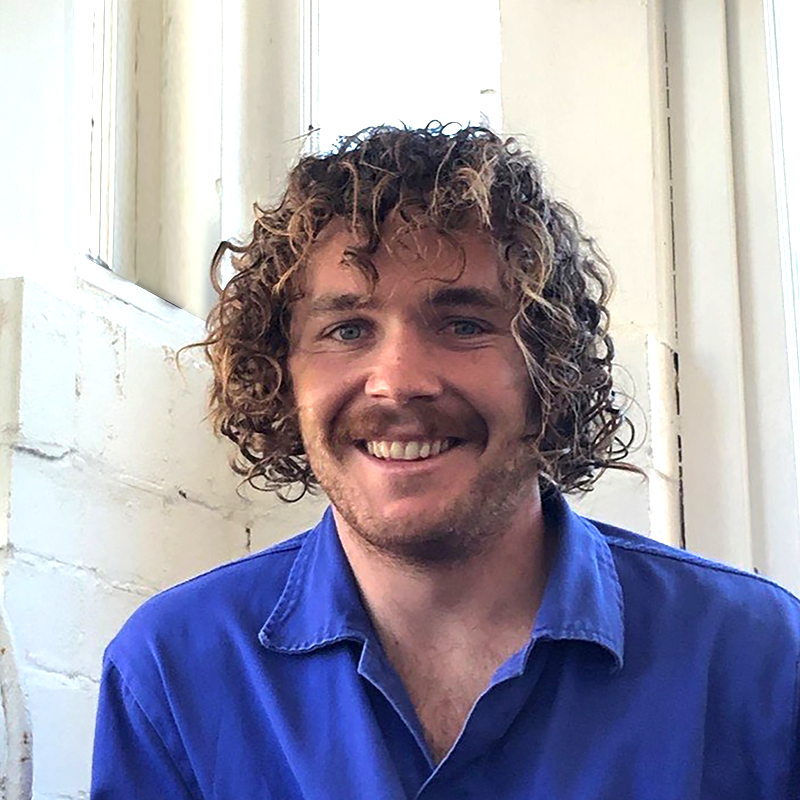
Uluru Youth Dialogue ambassador Brydie Zorz said for young Aboriginal and Torres Strait Islander people, the 2023 referendum wasn't just the first they witnessed, but also the "first big no" they were delivered by the country.
Despite state and territory-based efforts, Ms Zorz said truth-telling efforts can't be a substitute for political representation and structural reform.
"I think the story is still incomplete until we address constitutional recognition and structural reform on a national level. So I think the Voice is still a really high priority," she told National Indigenous Times.
As a young person, she feels a responsibility to step up into leadership roles and to "continue the fight that's been going on for decades" for that reform and recognition
She's also buoyed by the 40 per cent of Australians who voted yes in 2023 and said "unfinished business" remains while reasons Voice, Treaty and Truth were called for persist.
It's part of the journey forward on a national level, Ms Zorz added.
"I think two years on, you know, it's been a hard journey at times, but the 6.2 million that voted with us reminded us to keep going and that they understood the need for the reforms called for in the (Uluru Statement from the Heart)," she said.
Young people still have time to advocate, she added.
Ms Zorz said the period between Labor's election in 2022 and referendum less than 18 months later didn't provide enough time for adequate conversations and education around the country on the Uluru Statement.



