




A focus on security over rehabilitation still dominates South Australia's youth detention system, according to the state's Guardian for Children and Young People, with children as young as ten continuing to face rolling lockdowns, limited access to education, and inconsistent therapeutic support.
Shona Reid, who leads the independent oversight body for children in care and detention, also noted children in residential care often feel unsafe or exposed to violence, even after being removed from harmful home environments.
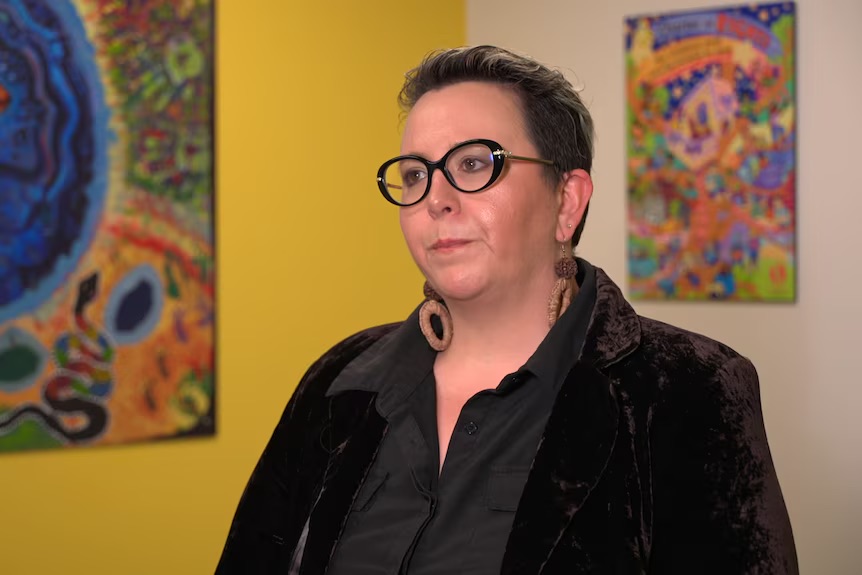
Speaking to National Indigenous Times following the release of her office's annual report, the Eastern Arrernte woman said the system remains "custodial" rather than rehabilitative.
"We've got a workforce that is focused around keeping the security of the centre in good working order," Ms Reid said.
"Access to education and therapeutic programs remains an inconsistent presence in children's lives."
Her report outlines ongoing systemic tension inside the Adelaide Youth Training Centre, where efforts to support young people are frequently overshadowed by "competing demands and priorities" that divert focus from rehabilitation.
Fourteen per cent of admissions to the centre involved children under 14 - some as young as 10.
"Do we care less because they're in youth detention and we're allowing this to happen?" Ms Reid asked. "Or is this just one of those wicked problems that we haven't yet been able to manage because their [children and young people's] behaviours - but also the way they interact with the world - is really complex, and we haven't figured it out."
She called on the government to "reimagine" its service model to meet children's needs and prevent reoffending; otherwise, the state will continue to see children "not healing from their trauma".
"We're going to continue to see inconsistent access to learning environments, inconsistent access to rehabilitative opportunities - whether that's anger management, whether that's drug and alcohol, whether that's mentoring...or even cultural services," Ms Reid said. "They're too inconsistent for children to heal in a way that helps them when they're released."
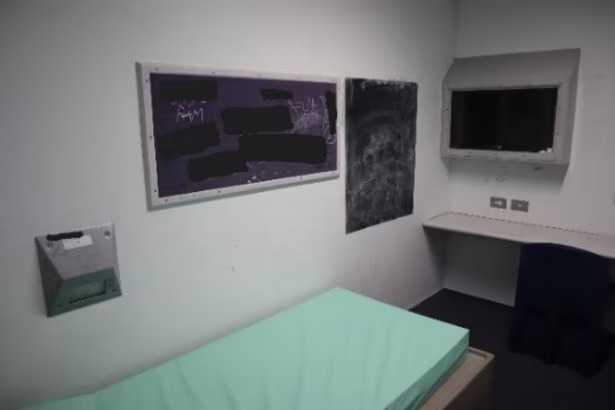
She was also highly critical over the ongoing use of isolation in detention, describing it as a "convenient" practice that causes harm and is entirely avoidable. She argued people need to understand "isolation of children cannot be defended as practice".
Across the country, isolation practices on children in detention have been derided by experts.
In 2023, Western Australia's independent Inspector of Custodial Services highlighted the "correlation between extended time spent in cell and incidents of self-harm," whilst last year, Queensland's Child Death Review Board highlighted the case of two disabled Indigenous children, who died in the aftermath of being kept in "separation" for extensive periods of time whilst incarcerated.
Ms Reid's inquiry earlier this year found young people are often confined to their rooms for extended periods without the practice being formally recorded as "isolation", obscuring the true scale of the issue. It also found the number of isolations, both those ordered by staff and those requested by detainees, rose by 50 per cent during a period in 2024.
"In effect, the experience of the child is isolation, but administratively, it's not labelled that," she said.
"When we isolate children, it stops them going to school; when we isolate children, it stops them getting their mental health and needs met; when we isolate them, rehabilitation programs can't be accessed. It's shaming - children feel quite embarrassed. They're quite fearful. And it dehumanises them."
She compared the issue to Australia's strong reaction to COVID-19 isolation, arguing the same compassion isn't extended to detained children.
"We are isolating children out of convenience... We need to look at ourselves as a system and ask how much we value these children," she said.
Her report also detailed issues within South Australia's residential care system, where children raised concerns about safety, instability, and exclusion from decisions about their lives.
Of 138 case files audited, more than half of the children were not invited to their own annual review, and only three in ten had the opportunity to contribute to decisions about their care.
Ms Reid said: "We've got a lot of learning to do if we can't pull up our socks and provide a safer environment for children in out-of-home care."
While acknowledging some progress - including improved records management in detention and growing efforts to reconnect Aboriginal children with kin - she argues significant challenges remain.
Of the Aboriginal children reviewed, only 17 per cent were placed with Aboriginal kin.
"We know that we can do better around scaffolding our families so they can be there and do its natural job, which is to look after our babies," Ms Reid said.
"We've just got to trust that our community can do that and support them to do that, and be there when they need us, and not statutorily intervene when we don't need to."



