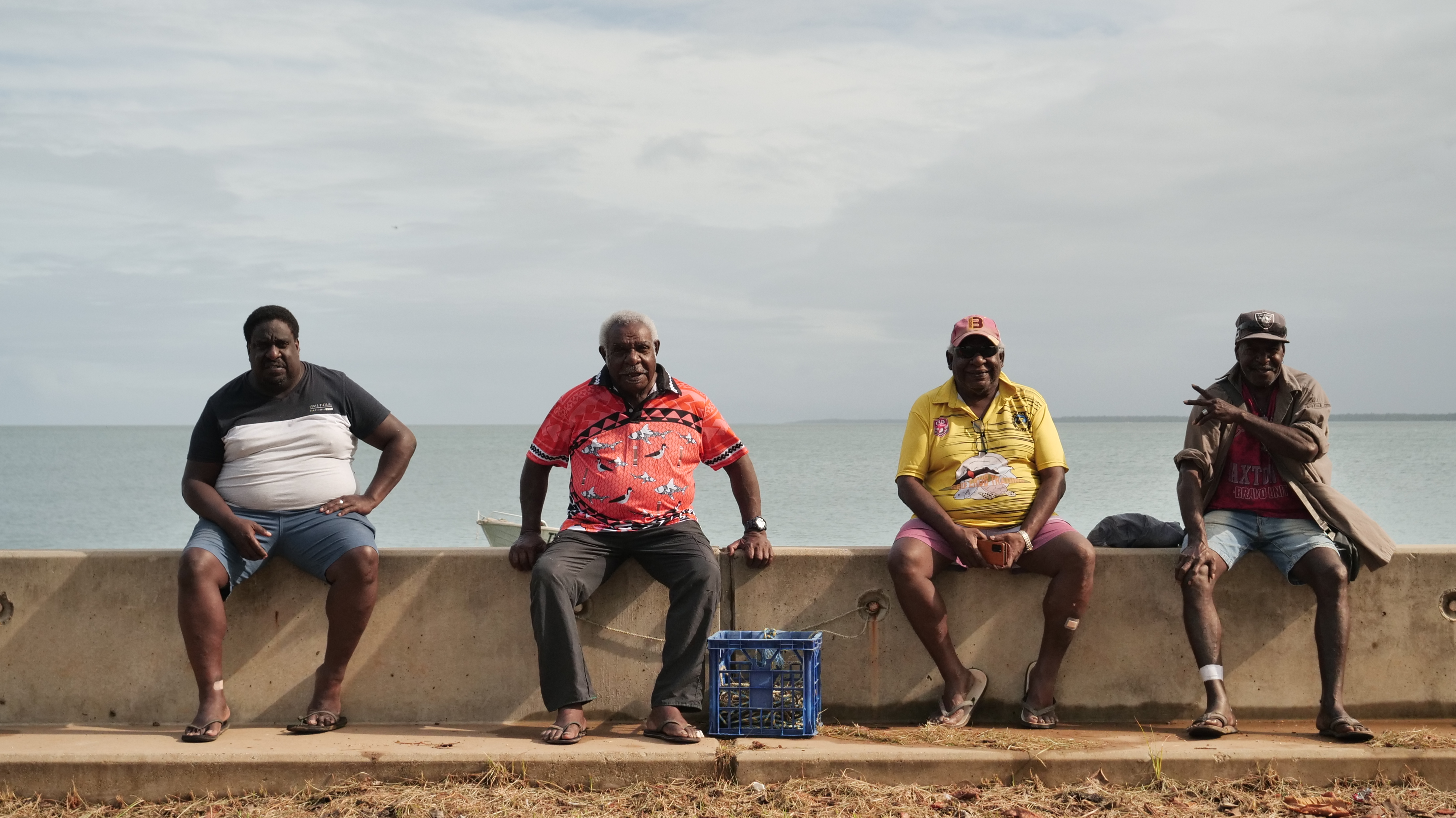

The Federal Court has heard residents fear environmental and cultural knowledge will not be passed on to future generations due to the impact of climate change on Zenadth Kes (Torres Strait) islands.
Community members and residents on Saibai Island have begun another week of court hearings as the Australian Climate Case continues its hearings.
Hearings began on June 5 and the court heard from community members on Badu and Boigu Islands in Cairns.
This week the court is hearing from the Saibai community, who have voiced concerns environmental knowledge will be lost.
In October 2021, Uncle Paul Kabai and Uncle Pabai Pabai filed a case against the Australian government and argued the Commonwealth has a legal duty of care, arising from negligence law, to ensure Torres Strait Islander peoples are not harmed by the climate crisis.
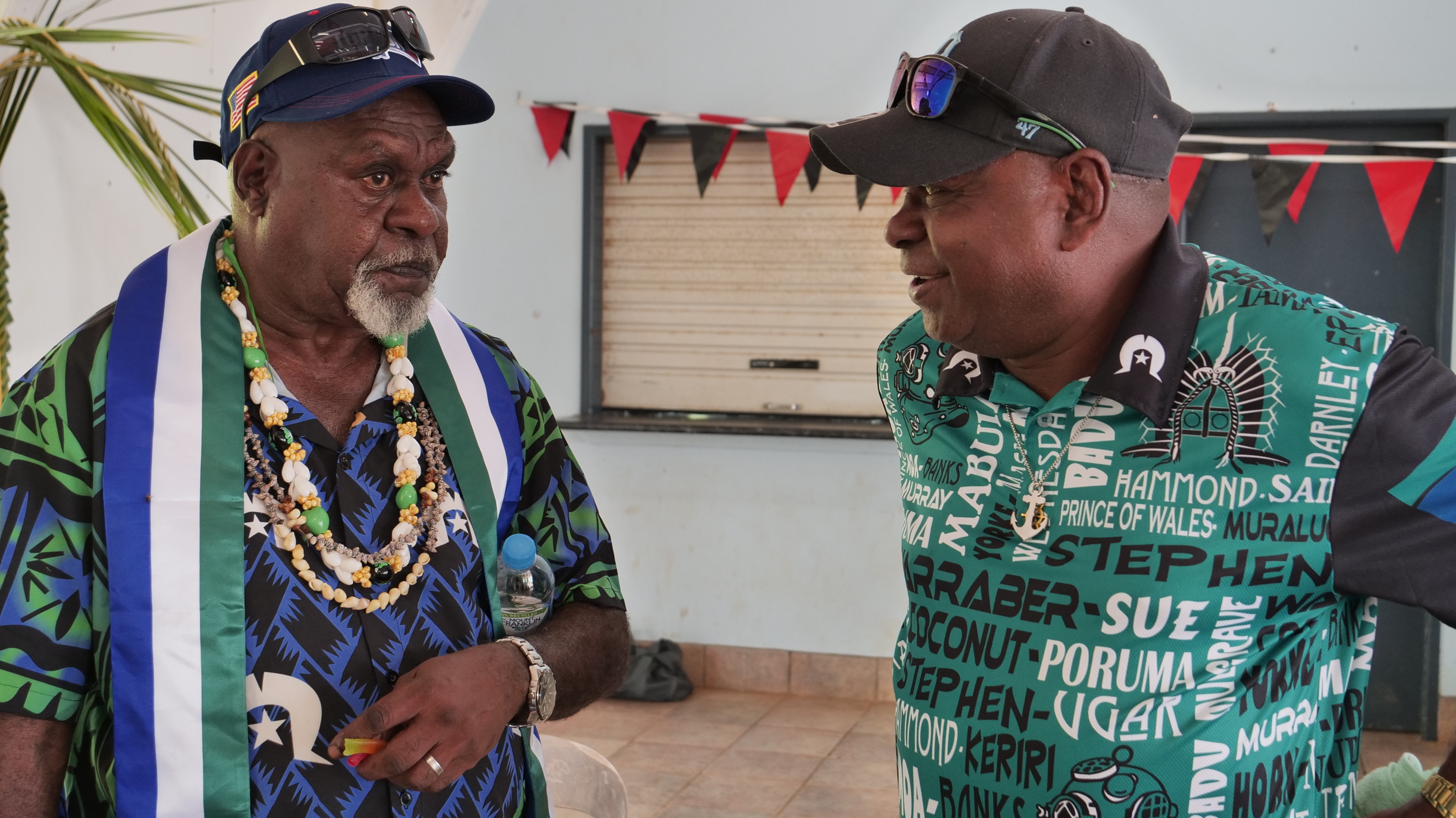
On Monday, witness Uncle Herbert Warusan told the court he had lived on Saibai his entire life except while attending high school.
He's worked on the island as a ranger since 2012 and has begun to take his six children out to pass on cultural knowledge to them.
"I take the children out and me as a mentor, as a dad, I speak over the situation and teach them the skills by letting them do some of the work, which is spearfishing," Mr Warusan said.
"I try my best to teach in language the key factors and key truths which are embedded in the language.
"It is very important that it happens on Country, because it's like 'the heart and soul of the Saibai' so they can witness the same for decades to come."
However, Mr Warusan is worried his children won't get a chance to learn some things from him as the environment around them on the islands is constantly changing because of climate change.
Mr Warusan is waiting until his children are older before he teaches them how to hunt for dugongs and turtles, but he is worried he won't get the chance.
"I'm worried about my ability to teach my children because the seagrass meadows are endangered from the shifting sands and the heavy body of water at high tide," he said.
"I'm a bit worried that there might not be dugongs and turtles as a consequence. The rate of change has been pretty alarming because the seagrass meadows are changing more rapidly.
"The sand has changed and the high tides are changing, the meadows are being pulled up around the eastern part - the main habitat for the dugongs, but it's all around the island - the turtles are everywhere."
Mr Warusan said when he was growing up there was also no salt invasion and he and his family were able to use freshwater to produce watermelon and pumpkins.
"My grandmother, grandfather, aunties and uncles, we'd slash and burn in Deceber and wait for the North Westerly (and) plant pumpkins, paw paw and cassava," he said.
"The monsoon would make it easy to grow. In the years since, in the 2000s we couldn't plant there because of the salt water."
Hearings continue Wednesday on Saibai Island.