




Labor's latest budget has been labelled a missed opportunity by key Indigenous stakeholders, even as some key community-controlled investments have been welcomed.
Tuesday's budget, described by Treasurer Jim Chalmers as "responsible," "reforming" and "ambitious in the face of diversity," committed more than $1 billion over five years to Closing the Gap initiatives.
Previously announced investments in remote jobs, housing and culturally safe healthcare dominated the Indigenous affairs portfolio.
Speaking to National Indigenous Times after the budget was handed down on Tuesday evening, SNAICC CEO, Catherine Liddle, said the budget was not one of generational fairness for Indigenous Australians, but rather one of "missed opportunities".
"One of those missed opportunities is not investing in the community-led solutions that were on the table...at a time when Aboriginal and Torres Strait Islander children and families are under more scrutiny than ever," she said.
"The failure to invest in the services and the solutions that work will be felt for a long time."
%20(1)%20(1).jpg)
Ms Liddle argued Indigenous-led early education and care services — which she described as "absolutely critical" — represent the gold standard of child development in Australia, yet "we are not seeing any commitments in the budget to say 'we're going to invest in you; we're going to make sure you're going to keep operating'".
While the $2 billion Thriving Kids Initiative included $60.8 million over five years for workforce development and training, including dedicated Indigenous workforce funding, there was no dedicated funding for ACCO services despite recommendations in the Advisory Group report.
Ms Liddle said the program represented an opportunity — if implemented properly — to ensure "all children have the supports they need as they start their learning journeys".
Despite Indigenous children being disproportionately represented in disability statistics, Ms Liddle said the government "did not recognise the need to invest differently, to ensure the children that are missing out on the support that they need are genuinely getting them".
The budget also committed $218.3 million over five years to establish up to 40 Aboriginal Community Controlled Organisations (ACCOs) to deliver specialist, community-led services under the Our Ways - Strong Ways - Our Voices: National Aboriginal and Torres Strait Islander Plan to End Family, Domestic and Sexual Violence 2026-2036.
Ms Liddle welcomed the funding, describing it as a "bright spot in a budget full of holes for Aboriginal and Torres Strait Islander children".
"That money will be critical to developing Aboriginal community responses to supporting families experiencing domestic and family violence," she said. "It's really good to see that the dollars to back up a really sound action strategy are there."
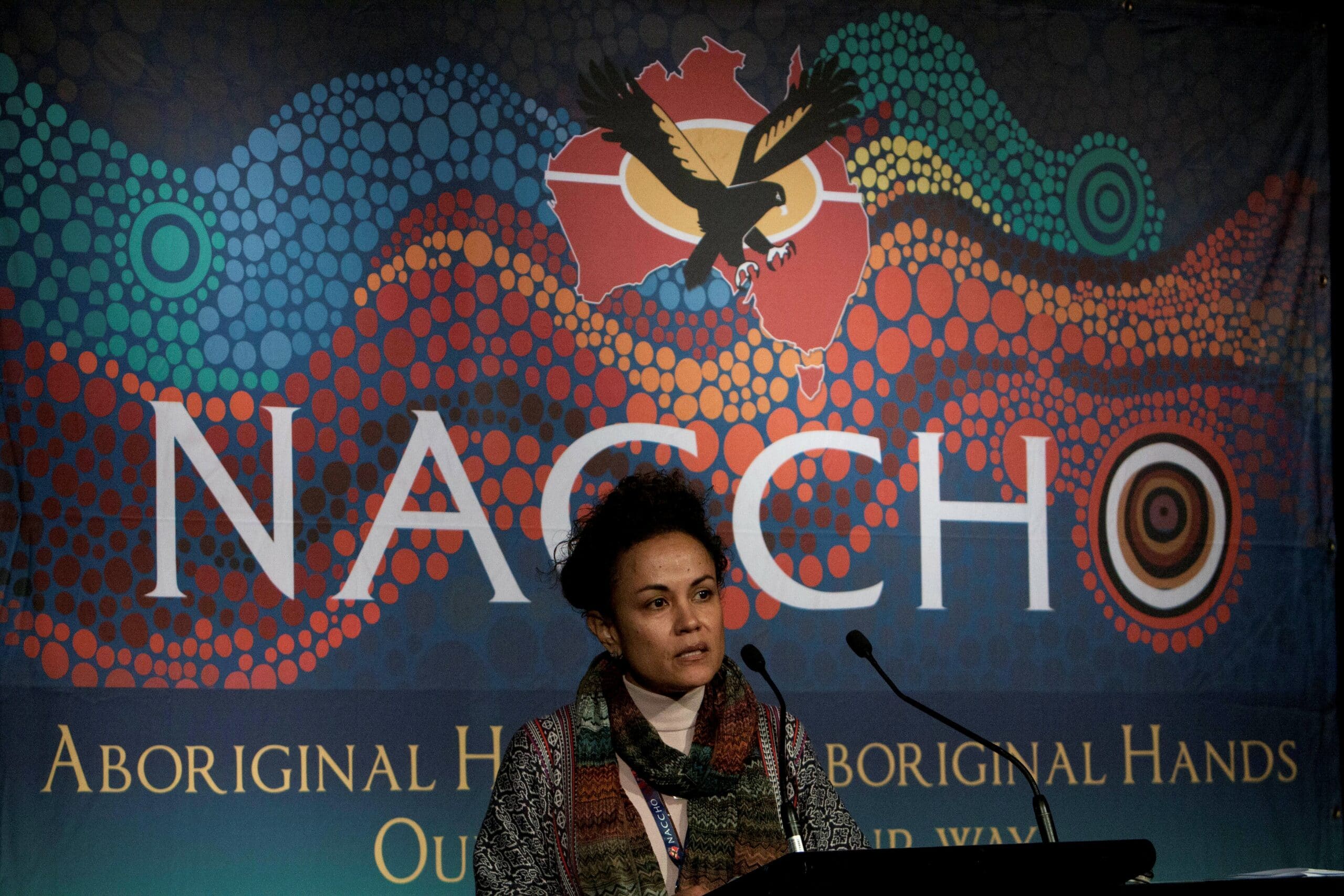
Responding to the budget, the National Aboriginal Community Controlled Health Organisation (NACCHO) welcomed several funding announcements, while warning they would not deliver structural or long-term reform.
The budget allocated $144 million over two years for infrastructure improvements for Aboriginal Community Controlled Health Organisations (ACCHOs), alongside $53 million over five years for dialysis units and $44 million over four years to extend funding for 10 existing Birthing on Country services.
NACCHO chair Donnella Mills said the government's support for the community-controlled sector demonstrated what could be achieved with sustained backing.
She said nation-building and resilience had been part of Indigenous cultures long before they appeared in the Treasurer's speech.
"When the Treasurer speaks of a Future Made in Australia, I want that future to include us, not as a line item, but as architects and leaders of the solutions our communities need," she said.
"This Budget takes important steps, and we are genuinely grateful. But the next step is the one that matters most: the needs-based funding model we have built together over nine years.
"That is the reform that lets ACCHOs deliver at the scale our communities deserve. We have done the work. We are ready to walk this road together."
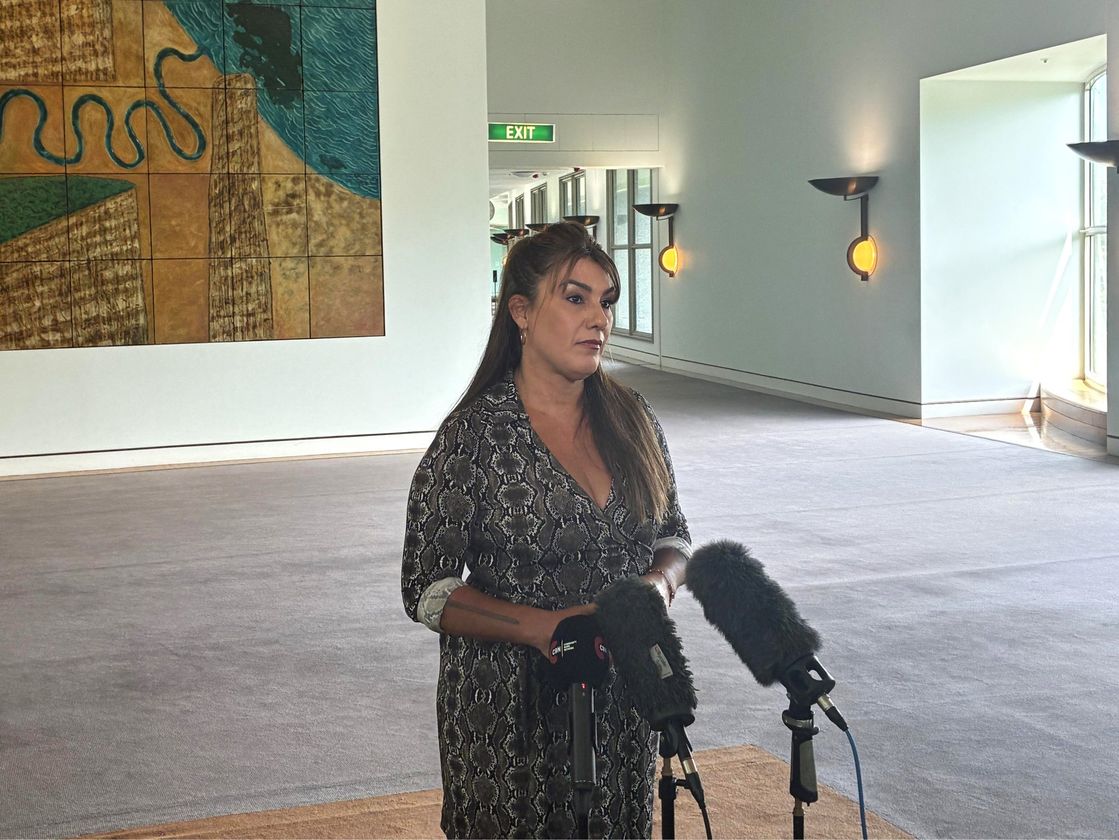
Speaking to National Indigenous Times on Wednesday, independent Senator Lidia Thorpe welcomed the decision to exempt Stolen Generations survivors receiving redress payments from aged care means testing, as well as other funding measures.
Senator Thorpe however criticised the lack of increased funding for Aboriginal legal services and other self-determined grassroots organisations.
While the government has established a Senate inquiry into racism against First Peoples, Senator Thorpe noted the Australian Human Rights Commission's anti-racism framework still has not received funding more than 18 months after it was delivered.
"I'm sorry, but we're going to have to keep fighting," she said.
"There's nothing for therapeutic bail services, so our people can have wrap-around support instead of being in prisons, and there's nothing about addressing the racism in this country."



