




The country's first truth-telling body is expected to make more than 100 recommendations when they deliver their final report next month, with the body expecting the government to be "serious about implementing the work".
Despite a "disappointing" 15 per cent of the recommendations from their interim report having been implemented in full, the Yoorrook Justice Commission will hand down its final report by June 30 after more than two years of hearings.
Yoorrook's chair, Professor Eleanor Bourke AM, says the report will likely encompass "significant reforms to broken systems," as well as a "range of practical solutions" the Victorian government can, and should, implement.
"In our final recommendations, we're going to be wanting the government to be serious about implementing the work, because otherwise we'll be back like we have been with the deaths in custody report [1991 Royal Commission into Deaths in Custody]," Professor Bourke said on Tuesday.
"Every decision not to act has the added effect of maintaining the status quo."
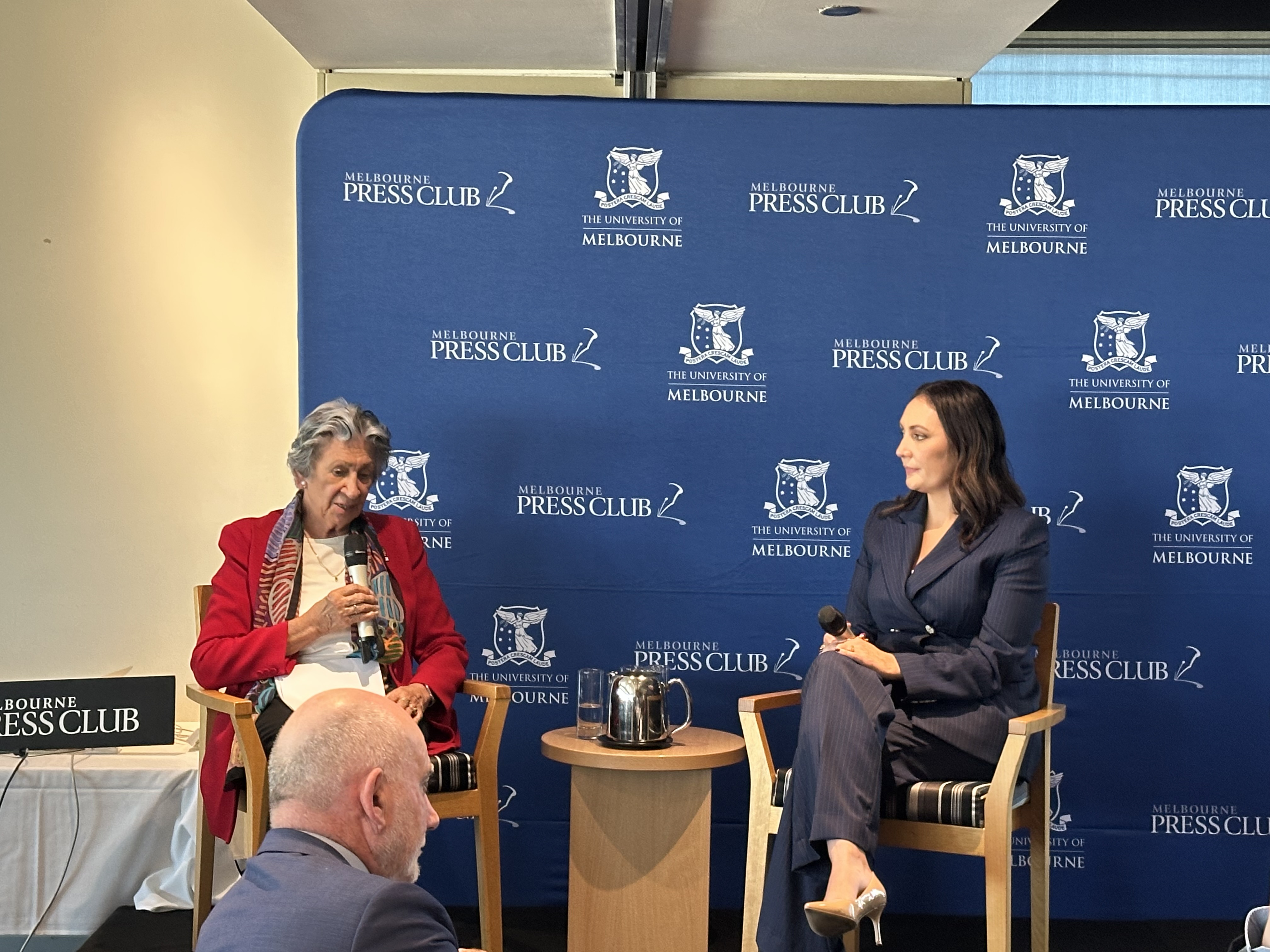
Professor Bourke said the truth-telling body was "going to be wanting the government to be serious about implementing the work", however, citing Labor's backtrack on bail reforms, noted there is a history of "governments going back on their word when it comes to implementing meaningful and enduring changes to improve First Peoples' lives".
Last year, Premier Jacinta Allan told Yoorrook she is prepared to apologise to First Nations people for the injustices suffered due to government policies.
Professor Bourke noted: "The Premier hasn't done that yet."
"We're still waiting for that," she said. "So there'll be some nudges going along…we wait and see. We hope so."
Nevertheless, despite the proposed apology and the government's negotiations in the Treaty process, decisions such as a reversal of bail laws in March, slammed by experts and Indigenous organisations, have caused consternation.
Furthermore, a majority of the previous recommendations by Yoorrook in their interim report sit dormant.
Professor Bourke said the overturning of the bail laws, which were "the culmination of decades of relentless advocacy, coronial inquests and Aboriginal deaths in custody," was a blow.
"As adults, our people are 14 times more likely to be imprisoned than other Victorians and our children are at least 10 times more likely to be in detention," she said.
"The justice system was not designed by, for or with our people. If you cast a net wide, as these laws promise to do, there will be collateral damage, like those experiencing poverty, homelessness and intergenerational trauma." - Professor Eleanor Bourke AM
Despite changes since the 1970s, the horrific number of children removed from their families each year in Victoria continues to grow, with the state recording the highest rate of Indigenous children in out-of-home care (OOHC) in the country.
Professor Bourke noted whilst laws have changed, "the practice of removing children remains".
"Colonisation wasn't an event two centuries ago," she said, "but a structure set in place back then which continues to impact our people today."
The final report will detail the "real" history of colonisation in Victoria. Professor Bourke said this was "not a gesture; not a box-tick," but rather a "defining moment for Victoria".
"We have never wanted other people to feel guilty; never encouraged shame or guilt," she said.
"We want people to know the true story of the settlement…to listen, learn, open your heart and your mind to our story by our first peoples, and learn more about where you live."
It comes after more than two years of hearings, which saw 16 apologies from Ministers and Department heads, and evidence of billion of dollars earnt by the government from the land and water which has not been passed down to First Peoples.
Having overseen the vast swathes of evidence from First Peoples across the state, Professor Bourke said it showed "that our own people want to tell their story further".
"We heard from people in prison and Premiers; from descendants of those who took the land; descendants of those whose land was taken; from those who wrote the laws and those broken by those very rules," the Wergaia/Wamba Wamba Elder told the Melbourne Press Club.
"We listened to Elders who buried their grandchildren taken by the state, and sat with mothers criminalised for being poor. We heard about Aboriginal babies being marked for removal by child protection before they were born. We've listened to communities fighting for access to their own Country, and to men whose lives were swallowed by prisons before they ever had a chance.
"These are not stories from the distant past, these are stories from now."



