




As the world marks the 2026 International Day of Women and Girls in Science, the focus turns to a powerful challenge: "Synergising AI, Social Science, STEM and Finance: Building Inclusive Futures for Women and Girls." For aerospace engineer Greta Stephensen, this is not just a global theme. It reflects the reality of her journey navigating systems not built with Indigenous women in mind, while working to reshape them for those who will follow.
When she was selected for the CSIRO Young Indigenous Women's STEM Academy, Ms Stephensen was overwhelmed.
"Initially, I was just excited to visit NASA," she said. "My lifelong dream has been to be an astronaut, potentially the first Indigenous astronaut. Hearing we would be visiting NASA's Jet Propulsion Laboratory felt like a dream come true."
But what began as excitement quickly deepened into something more profound.
"Being chosen was deeply affirming," she said.
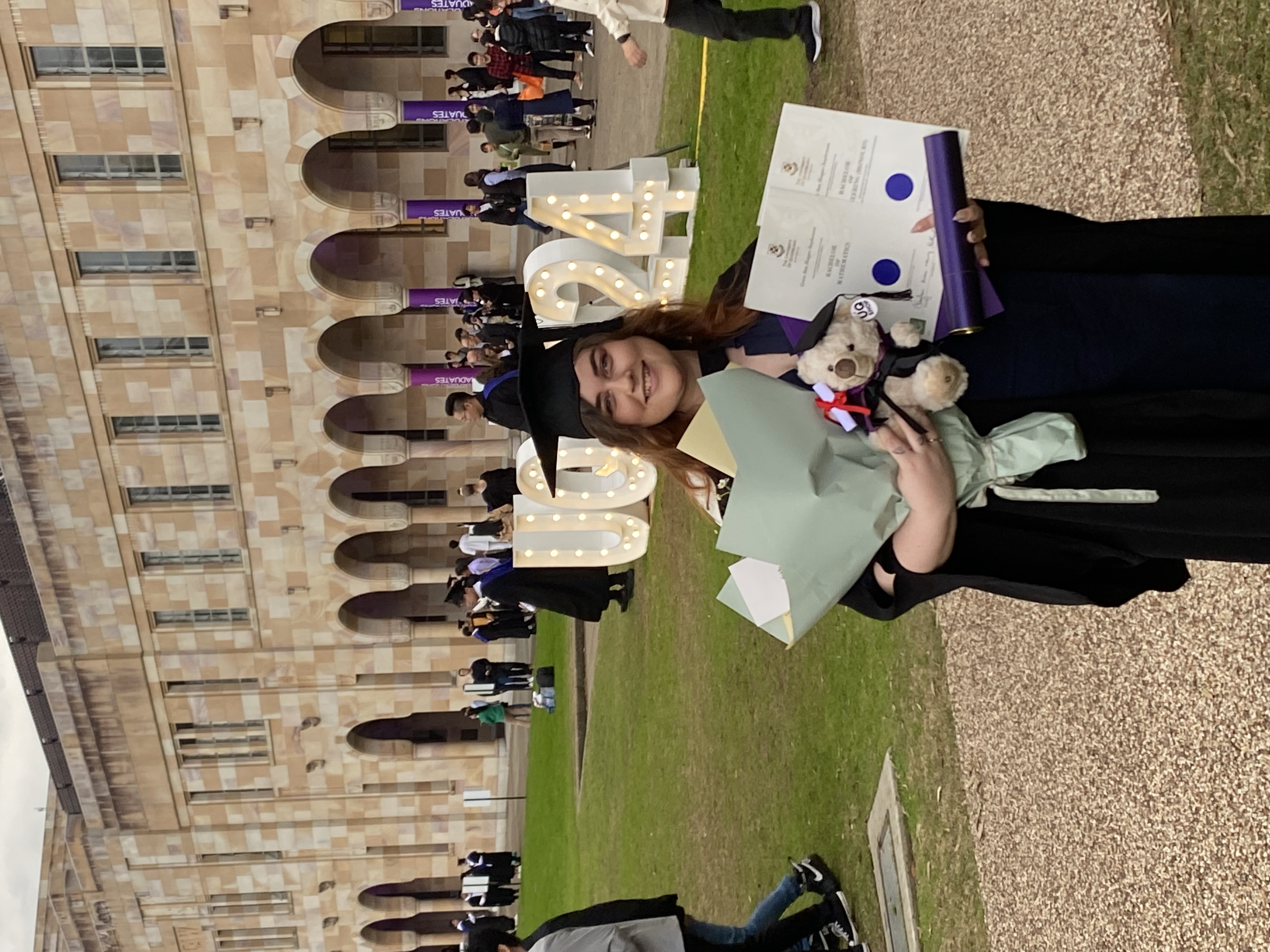
"Growing up in a small rural town, I had limited access to STEM subjects. I had to complete some classes online because there weren't enough students at my school. At 17, I moved independently to Brisbane to study engineering. I was completely financially independent at 17."
It was not easy. What carried her through were strong female mentors, particularly Indigenous women pioneering STEM pathways before her. Now studying a Master of Space Engineering and working as an aerospace engineer, Ms Stephensen feels the responsibility shift.
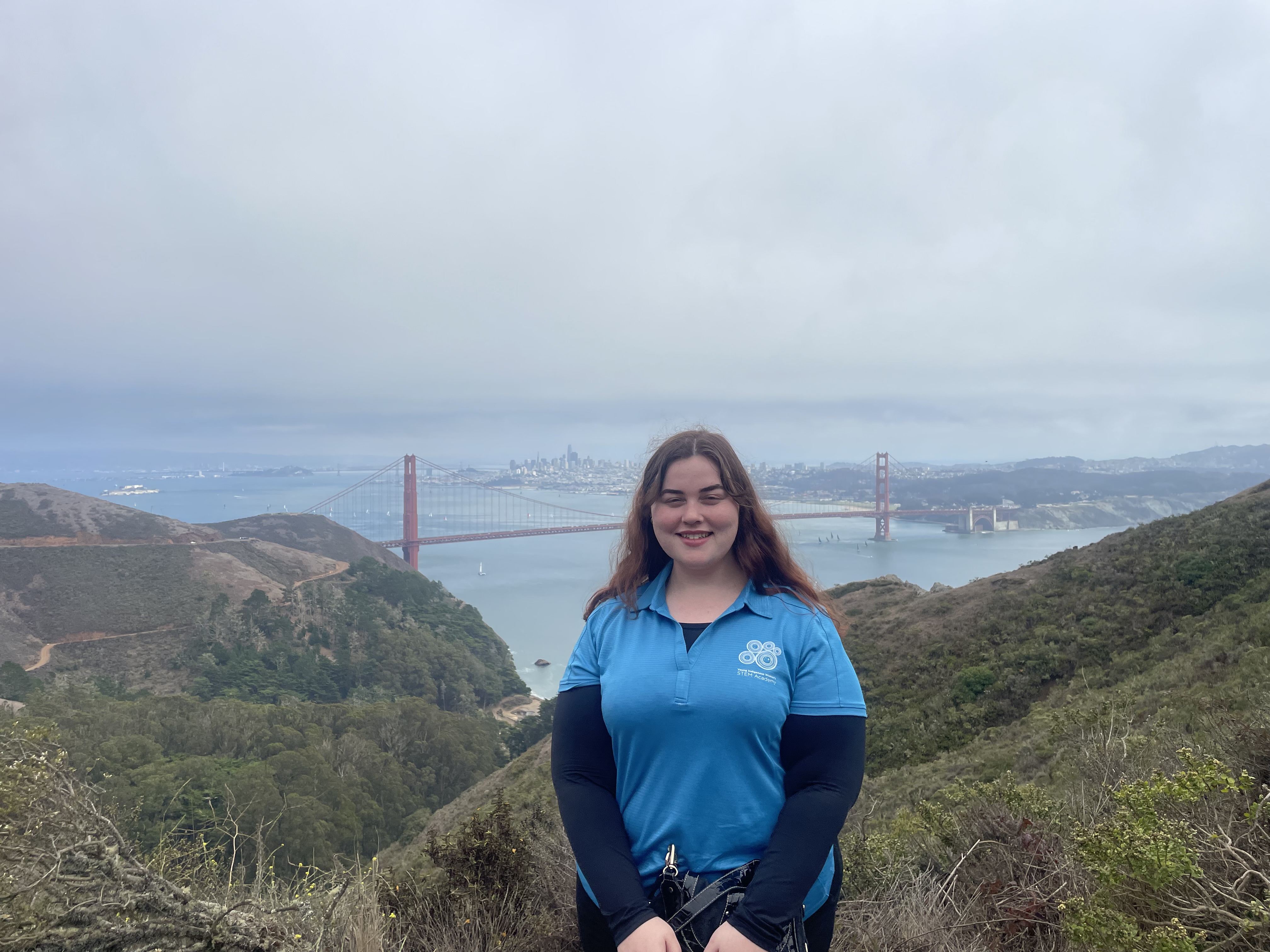
"The responsibility to break down barriers isn't just for my community but for women worldwide," she reflected. "What I didn't expect was realising that the challenges I faced are ones Indigenous girls across the globe experience."
Her love of science began long before university. Raised by her mum and grandparents, Ms Stephensen was especially close to her grandfather.
"He called me his 'fixer'," she said. "I was always asking why. He showed me how everything worked and never stifled my curiosity."
At eight years old she received her first telescope. Space became her obsession. Yet the dream of becoming an astronaut felt distant for a girl in regional Australia. That changed at a CSIRO camp in Newcastle in 2016, where she first understood what engineering truly was and met Indigenous astrophysicist Karlie Noon.
"As my career has evolved, one massive constant has been CSIRO," she said. "I've received so much encouragement and support. I just can't wait to repay that one day."
Through international STEM leadership experiences in the United States, Ms Stephensen's thinking expanded further. Visiting institutions like Caltech and Berkeley revealed both opportunity and discomfort. At Caltech, she learned there were only two Indigenous students enrolled. At Berkeley, discovering the university holds one of the world's largest collections of Indigenous ancestral remains was confronting.
"The most challenging part was seeing how consistently structural barriers exist, even in elite institutions," she explained.
Yet Indigenous-led spaces told a different story. Organisations prioritised relationship, reciprocity and collective success.
"Knowledge sharing was relational, not transactional," Ms Stephensen said. "Excellence was measured by long-term impact rather than personal advancement."
That insight shifted her focus from individual success to systemic reform.
"It's not enough for us to succeed individually. We need to redesign STEM systems so they are equitable, culturally safe and truly inclusive. We need representation. We need diversity. We need advocacy."
For Greta, culturally safe environments are not theoretical. They are tangible.
"I've truly thrived when I haven't been afraid to speak up, when people have actively tried to understand what's important to me, and when I've been trusted to lead," she said. "When I feel trusted, I give that trust back."
Her message to young Indigenous girls is powerful and clear.
"You do not have to choose between culture and career. You belong in labs, classrooms, boardrooms and at places like NASA and CSIRO. There will be challenges and spaces not designed with you in mind, but your presence is part of the change."
International Day of Women and Girls in Science, led by the United Nations, reminds us that closing the gender gap in STEM requires structural change, sustained investment and cultural transformation.
Greta Stephensen's journey from a curious child with a telescope to a rising aerospace engineer demonstrates that when vision is nurtured and systems begin to shift, impact follows. Not only for one woman, but for generations who will follow her into the stars.



