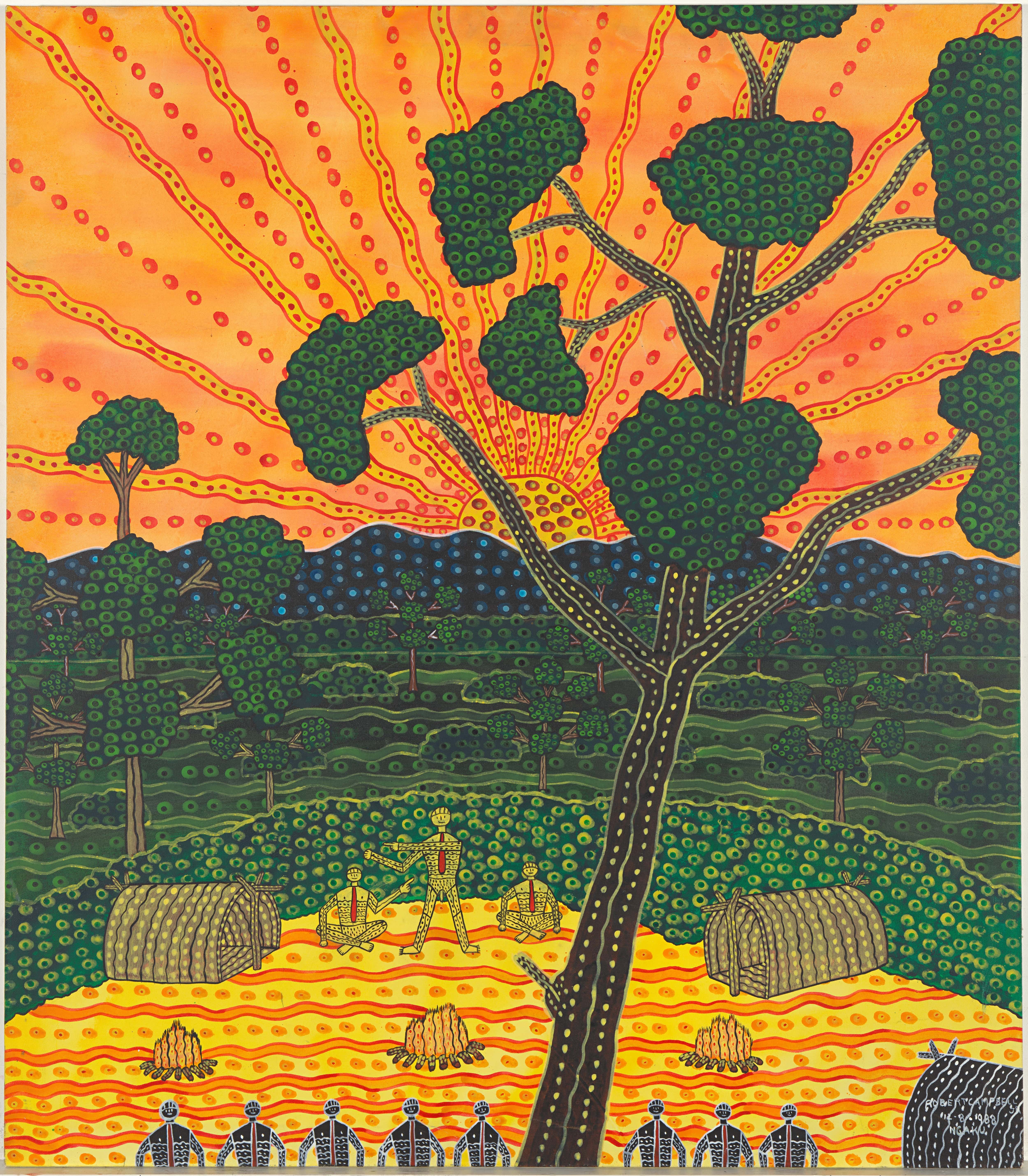
The National Gallery of Australia is presenting the largest exhibition of First Nations art to be held in Kamberri/Canberra; Ever Present: First Peoples Art of Australia.
The extraordinary exhibition opens Saturday, 14 September, providing a visual dialogue into Australia's complex histories, and celebrating First Nations art and cultures.
A survey of more than 260 historical and contemporary works of art by Aboriginal and Torres Strait Islander artists from across Australia, the exhibition brings together works from the national collection and Wesfarmers Collection of Australian Art.
Following a national and international tour with presentations in Boorloo/Perth, Singapore and Aotearoa/New Zealand, Ever Present will be on display at the National Gallery until August 2025.
Through the touring exhibition, the National Gallery with Wesfarmers Arts have shared First Nations art and cultures with more than 200,000 people.
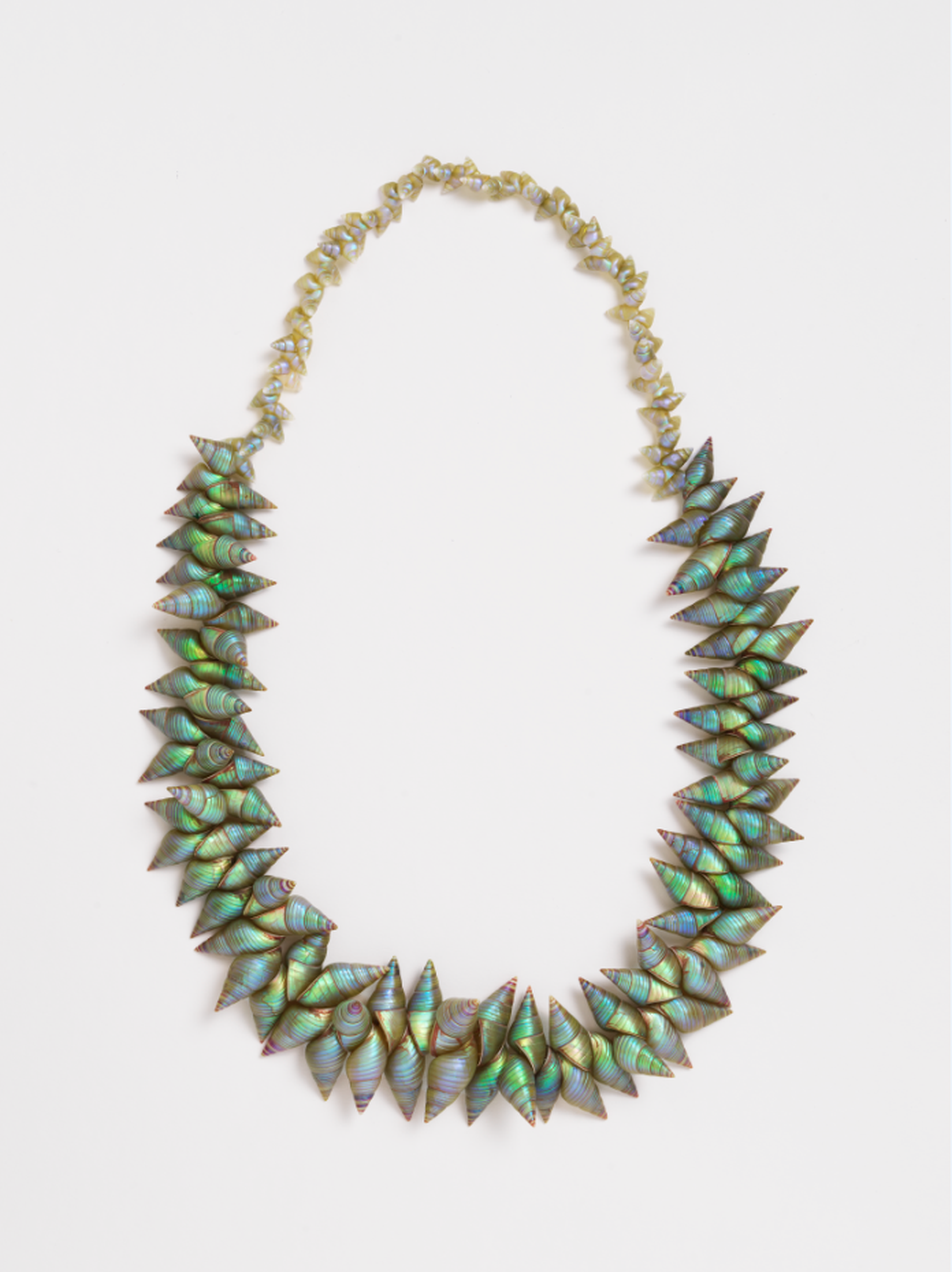
Ever Present is a testament to the breadth of First Nations art with renowned artists including Mirdidingkingathi Juwarnda Sally Gabori (Kaiadilt people), Emily Kam Kngwarray (Anmatyerr people), and Albert Namatjira (Arrarnta people) displayed alongside works of art by contemporary artists like Karla Dickens (Wiradjuri people), Jonathan Jones (Wiradjuri/Kamilaroi peoples) and Yhonnie Scarce (Kokatha/Nukunu/Mirning peoples).
Exclusive to the Kamberri/Canberra presentation will be recent acquisitions to the national collection.
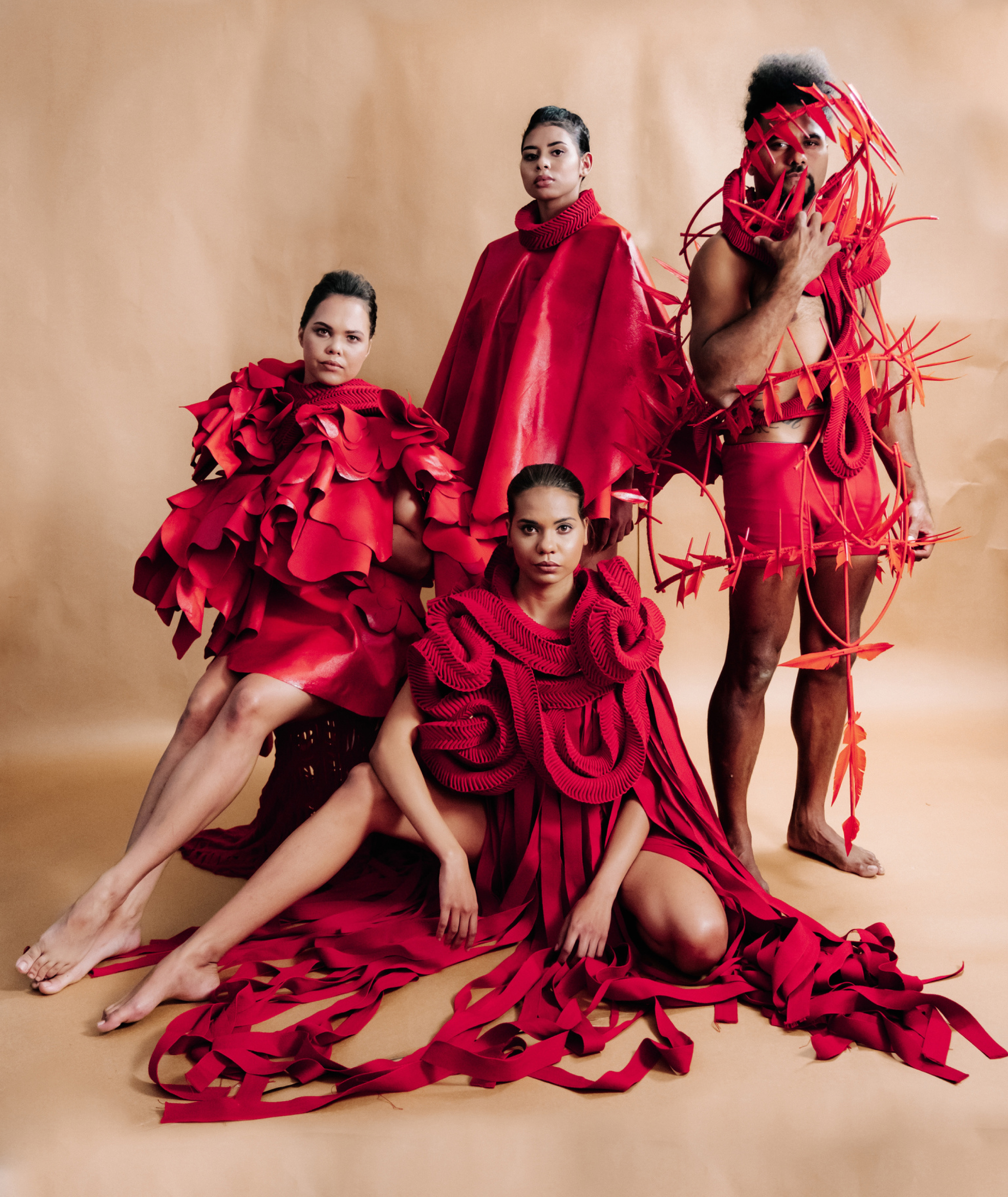
Ever Present includes thought-provoking pieces by Archie Moore (Kamilaroi/Bigambul peoples) with his large-scale blackboard drawing Family Tree 2021 and the monumental painting From little things big things grow 2019 by Richard Bell (Kamilaroi/Kooma/Jiman/Goreng Goreng peoples).
The exhibition will also feature new works by women artists including Merriam Mer artist Grace Lillian Lee's intricate body adornments Future Woven Floral Forms 2020 and Yankunytjatjara artist Kaylene Whiskey's playful take on pop culture on Country, Visitors to Iwantja Arts 2022.
The Gallery said Ever Present "challenges stereotypes about First Nations people and what defines their art".
"The artists contest populist views of Australian history, using art as a tool of resistance and replacing physical weaponry with wit,satire and juxtaposition to confront viewers and encourage conversations that are essential to disputing outdated myths and ideologies."
National Gallery Senior Curator of First Nations Art, Tina Baum (Gulumirrgin Larrakia)/Wardaman/Karajarri peoples), said: "Just as our Ancestors forged paths for future generations to express our culture and stories confidently and creatively through art, the artists featured in Ever Present will also leave a legacy for all."
"To understand the richness, diversity and depth of Aboriginal and Torres Strait Islander art and culture would take many generations, many lifetimes, but to appreciate it only takes a moment," she said.
"Together, the artists and their works powerfully reinforce that we always have been and always will be ever present."
Ever Present has been made possible thanks to the support of the National Gallery's First Nations Arts Partner Wesfarmers Arts. The National Gallery and Wesfarmers Arts recently extended the First Nations Art partnership for another six-year term, bringing the association to 20 years – one of the longest from a corporate partner in the National Gallery's history.
Wesfarmers Chairman Michael Chaney AO said Ever Present includes some of the most important contemporary and historical art produced in Australia, "celebrating Aboriginal and Torres Strait Islander artists and their central role in defining Australia and our national identity".
"The exhibition's presentations at the Art Gallery of Western Australia, National Gallery Singapore and Auckland Art Gallery Toi o Tāmaki were hugely successful, and we are thrilled that the exhibition will soon be displayed at the National Gallery in Canberra for the enjoyment of all Australians," he said.
The exhibition is free to visit and on display at the National Gallery in Kamberri/Canberra from 14 September 2024 to 24 August 2025.