


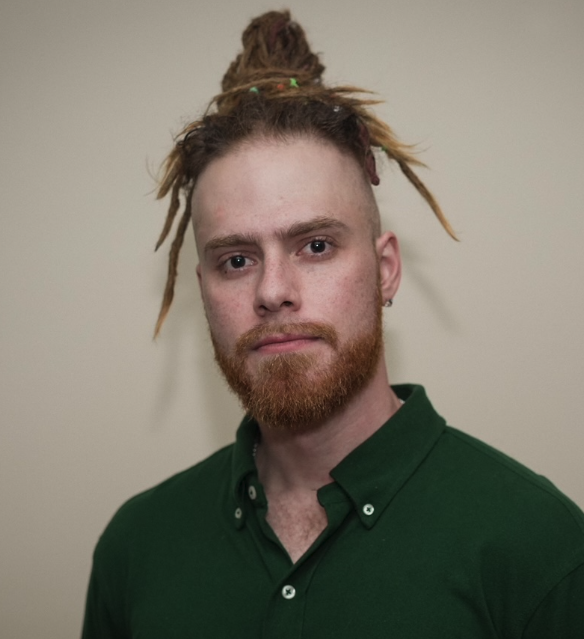

Proud Waanyi, Ngadjon, and Kuku Djungan woman, Tahnia Ah Kit, grew up Mount Isa.
After attending boarding school in Townsville and studying nursing at university, she returned to home to the regional Queensland city in 2020.
The 26-year-old has since been an ED nurse at the North West Hospital and Health Service for four years.
Her family's involvement in healthcare influenced her career choice.
"My grandmother and mother were healthcare workers, and my grandmother was my grandfather's full-time carer, so healthcare was always incorporated throughout our family," Ms Ah Kit said.
"I'd go out with my mum on school holidays and do the admin and paperwork for her.
"Always being around health in general pushed me into the career of going into health."
The Australian Institute of Health and Welfare reports that Indigenous Australians have lower life expectancies, higher rates of chronic illnesses, and a greater likelihood of being hospitalised compared to non-Indigenous Australians.
Ms Ah Kit noted several pressing health issues facing Indigenous Australians, including skin conditions and mental health challenges.
"Conditions like scabies and impetigo are the main issues at the moment, in terms of skin conditions and overcrowding," she said.
"Mental health is significant, with conversations starting to spark around it.
"Depression, anxiety, and intergenerational trauma have caused conditions that lead to overcrowding and grief."
Ms Ah Kit encourages young Indigenous people and medical professionals to pursue careers in rural medicine to improve health outcomes for all Australians.
"Keep your head down, know your goals. People will talk and try to divert you to a different pathway, but keep going," she said.
"There's a lot of life lessons I've learnt in health that have adjusted me to go forward.
"It teaches you how to face challenges and keep going."
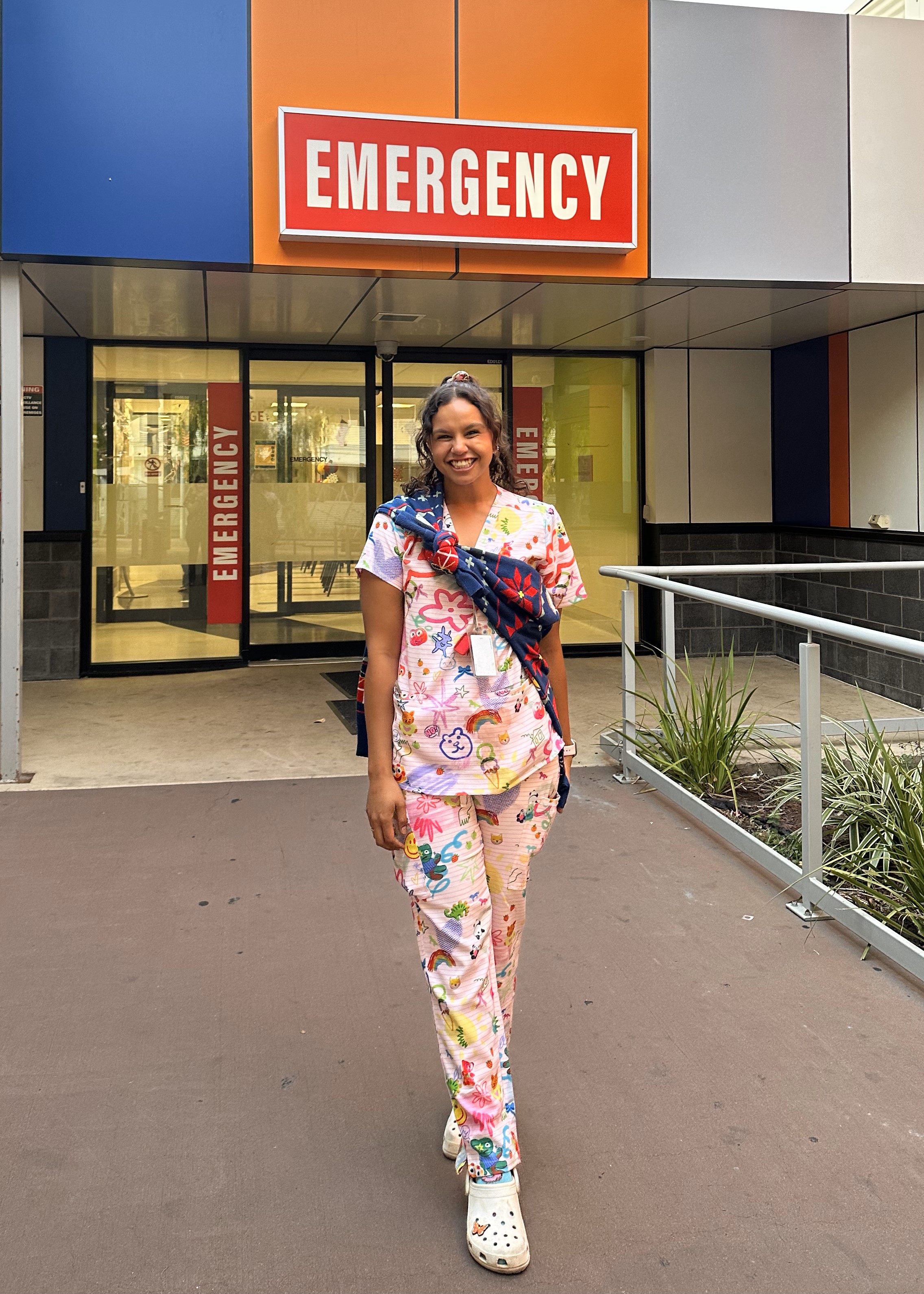
She shared the benefits of working in remote communities, including career fulfilment, patient care continuity, and being part of a close-knit team, while highlighting the importance of maintain a happy personal life, balancing her interests like touch rugby league and netball with work.
"As I've gotten older, I take it slowly and make sure I'm getting out at least three times a week because that fills my soul and gets me prepared for the next week of work," she said.
Ms Ah Kit believes more mental health facilities in remote areas would better support Indigenous communities.
"Most of our mental health gets sent to Townsville, and I understand why because it's a tertiary area," she said.
"So when people need to be sent over here, they can stay on country because that's a vital instrument in our life.
"Sending them to big cities where they're not familiar with can make them feel isolated and shut down real quick.
"I think that's a big step towards closing the gap."
Those who are interested in a career in rural healthcare can visit the Queensland Government's North West Hospital and Health Service website.



