




Thanks to an $82,000 donation from BHP's Community Donation Program, the Alinytjara Wilurara Landscape Board (AWLB) now has the means to fight against the spread of the harmful buffel grass weed in the southern Great Victoria Desert.
They AWLB board has invested in new technology to tackle the problem head-on, acquiring a special drone, 10 high-quality 4G-enabled cameras, two weather monitoring stations for remote areas, and tablet devices for mapping data.
This boost in technology will aid their battle against the weed and protect the environment more effectively.
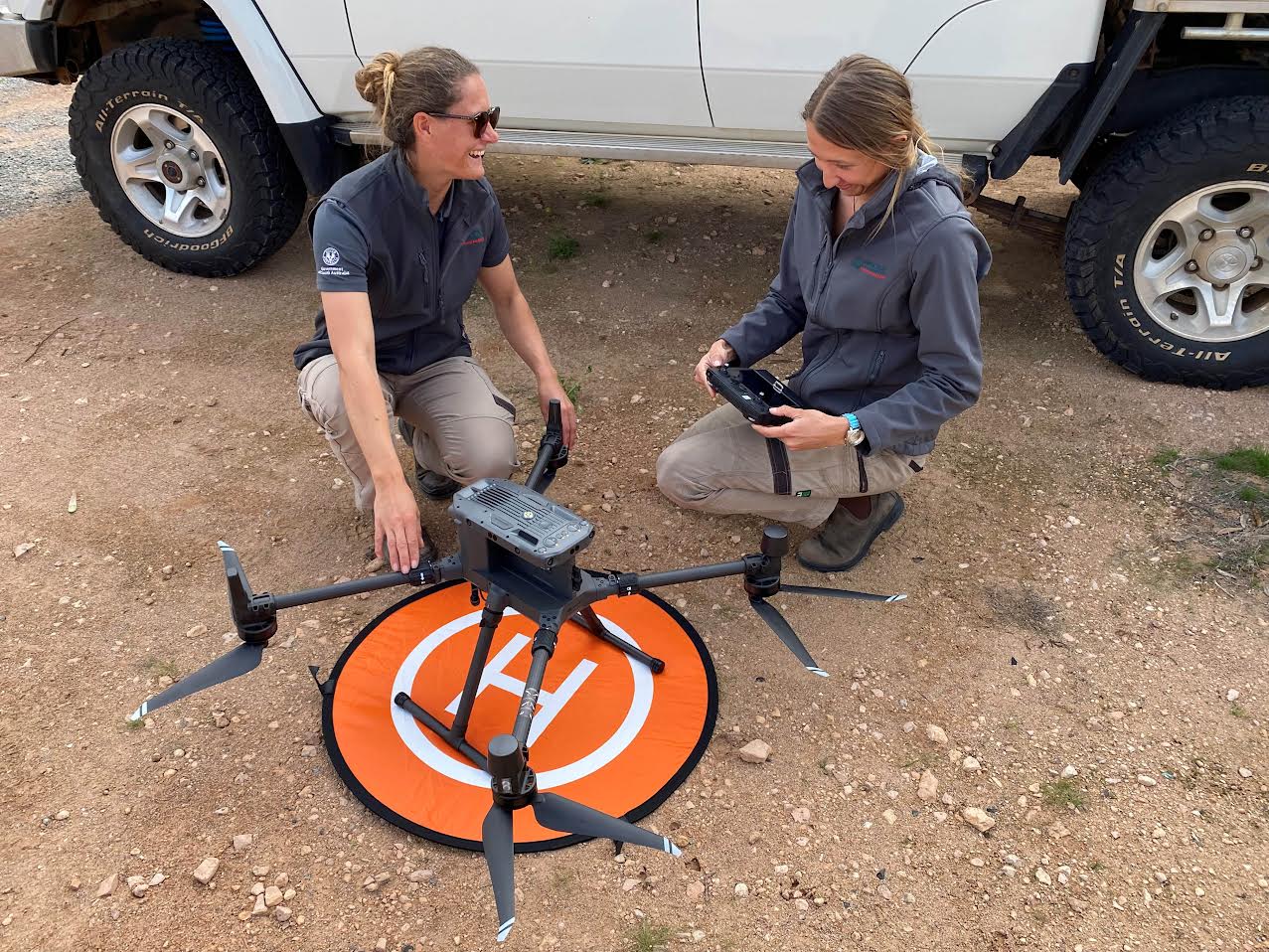
"This is a foundational arsenal of technology that will help us in the fight against buffel
grass," said AWLB General Manager, Kim Krebs.
"It's impossible for our teams to constantly be on-ground monitoring and managing infestations across this vast area, so having use of this new equipment will most certainly enable us to be more effective."
Buffel grass is an introduced tussock grass which poses a serious threat to arid ecosystems throughout Australia.
This fast-growing weed outcompetes native grasses and shrubs, disrupting the natural balance. It also restricts the movement of animal species.
Buffel grass also has a higher burning temperature compared to native vegetation, resulting in the destruction of larger shrubs and trees.
After fires, it quickly regenerates, forming a monoculture that harms natural ecosystems and damages important Aboriginal cultural sites.
To address this issue, South Australia declared buffel grass as a weed in 2015. Both the AWLB and BHP have since taken proactive measures to manage this threat.
While the AWLB focuses on combating buffel grass in the southern region of the Great Victoria Desert, BHP has been monitoring and eliminating the weed around Roxby Downs since 2000.
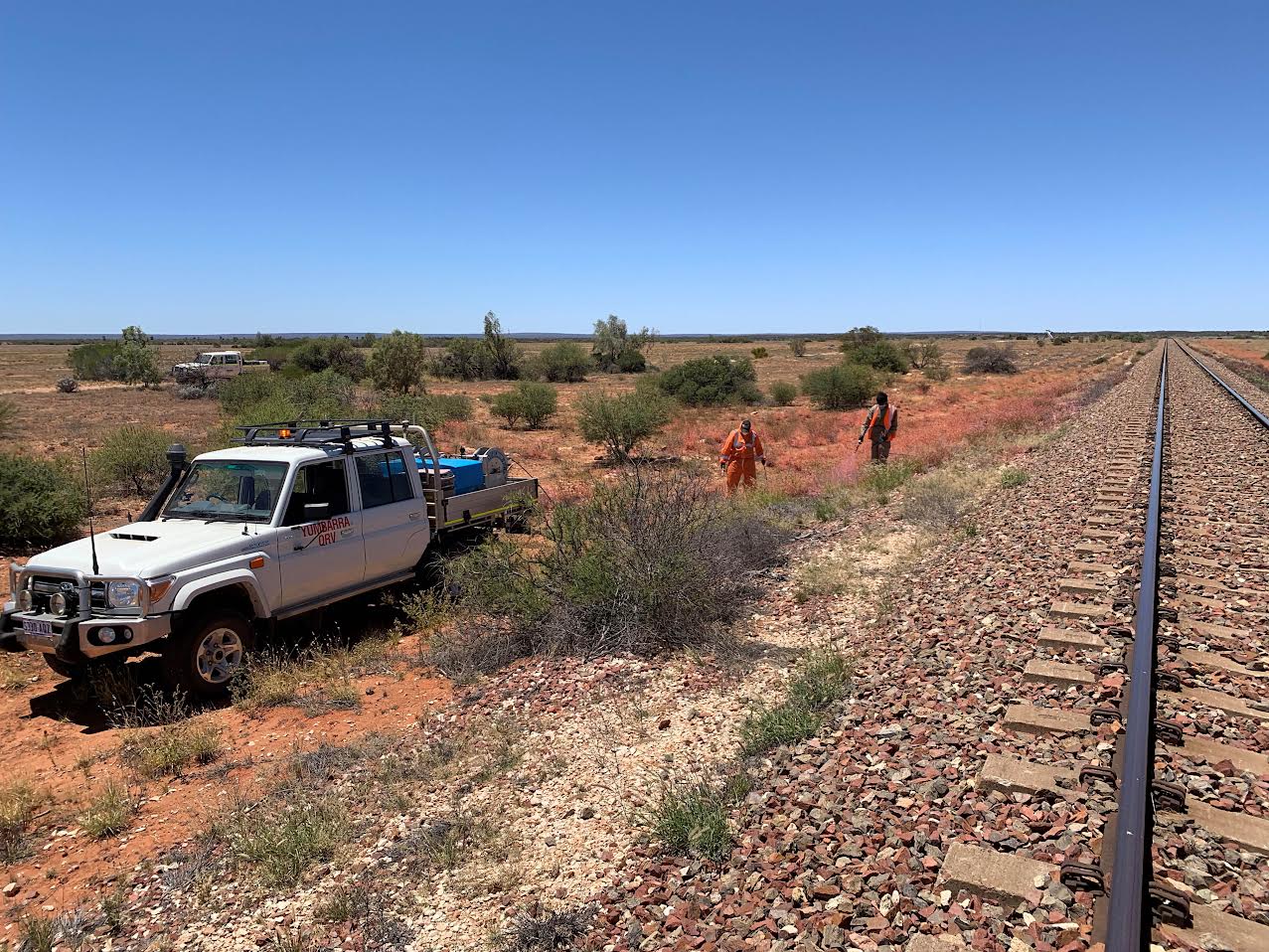
Their collaborative efforts aim to control the spread of buffel grass and mitigate its harmful effects on the environment and cultural heritage.
"The Alinytjara Wilurara Landscape Board leads the field when it comes to tackling buffel
grass," says Kimberley Solly, Principal Biodiversity at BHP.
"Although we don't operate within their region, we understand the scale of the threat and how a coordinated approach could create better impact. Currently, BHP manages existing roads and tracks relating to our operations.
"As off-road driving contributes to the spread of buffel seeds, it's fantastic to contribute to new ways of detecting infestations. Providing funding for this work is part of a bigger picture at BHP, as we move our focus from a no-net-impact approach to a nature positive outcome."
AWLB is leading a multi-agency taskforce with neighbouring landscape boards, Indigenous ranger teams, and stakeholders to combat buffel grass in the southern Great Victoria Desert.
Their joint efforts aim to keep the weed at bay and protect the desert's ecosystem.
"In addition to employing new staff dedicated to buffel grass control, we're collaborating
with our neighbouring landscape boards and regional partners to deal with this insidious
threat to our environment," Mr Krebs said.
"This new technology adds a powerful string to our bow and our team is looking forward to seeing the on-ground benefits it will provide. It's encouraging to receive this support from BHP."
"We hope that other mining operations will be inspired to recognise the significance of looking after Country more broadly and add their support to keeping it healthy."



