


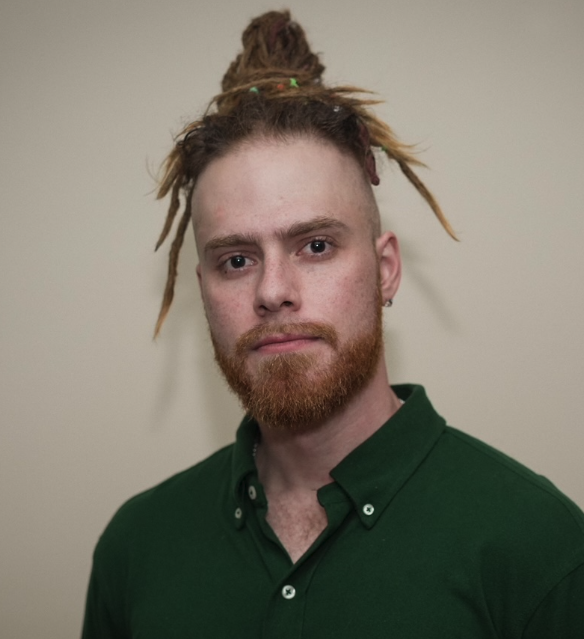
Yamatji woman and domestic and sexual violence subject matter expert Kyalie Moore recently visited a Kimberley equine-assisted learning program as part of her national 'Stamp It Out' Tour.
Ms Moore has been travelling across Australia through Boomerang Consultancy to listen to communities, support services and strengthen culturally grounded responses to family, domestic and sexual violence.
On Yawuru Country in Broome, she spent time with Yawardani Jan-ga founder Professor Juli Coffin to learn more about the program's work with Aboriginal young people.
Yawardani Jan-ga, meaning "Horses Helping" in Yawuru language, was founded in 2018 and supports Aboriginal young people aged 6 to 26 through Equine Assisted Learning.
The program was developed in response to community concerns about social and emotional wellbeing and uses a strengths-based, culturally grounded approach.
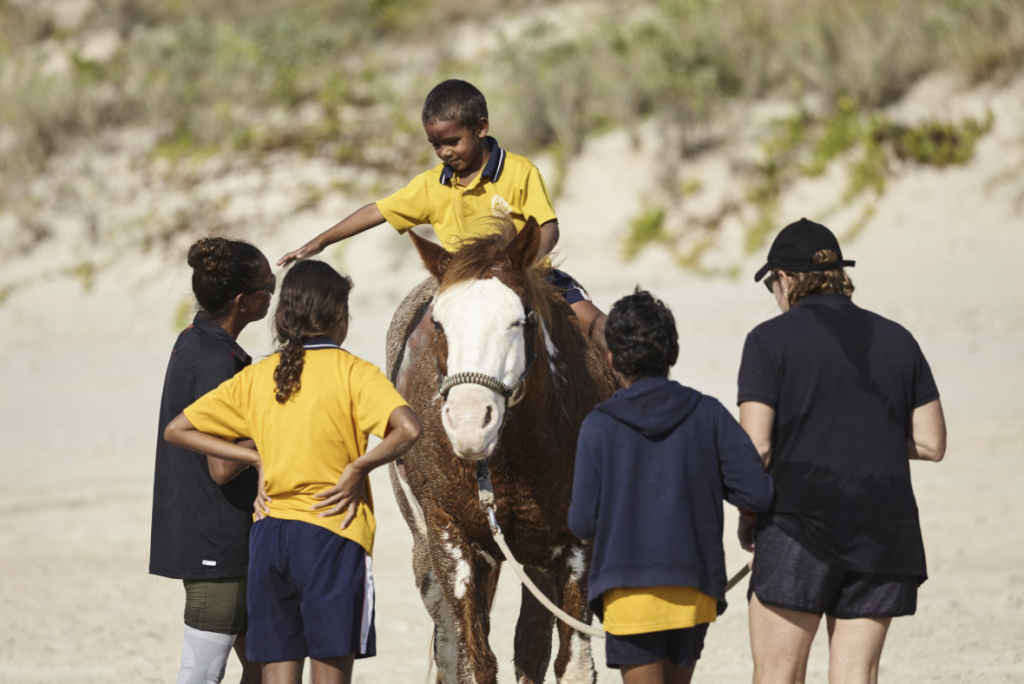
At Yawardani Jan-ga, young people spend time on Country with horses, learning to build trust, regulate emotions and reconnect with themselves.
Ms Moore said the visit showed a different side of the work needed to prevent harm.
"I've been travelling the country with Stamp It Out... you hear a lot about what's going wrong," Ms Moore said.
"But here, you can feel something different. It's calm. It's grounded. It feels safe."
The program involves young people grooming, leading and spending time with horses.
The approach is based on the way horses respond to body language, energy and behaviour, rather than words.
Professor Coffin said the program created a space where young people could be met without judgement.
"There's no judgement here," Professor Coffin said.
"The horses don't care about your past.
"They meet you where you're at. And you can see the young people soften. You can see them start to breathe."
Over time, the program aims to help young people build confidence, strengthen emotional regulation and respond to situations rather than react.
Professor Coffin is a lifelong horsewoman with a background in education and public health.
Her PhD explored Aboriginal young people's experiences of bullying and relationships.
Through Yawardani Jan-ga, she has built a model that brings together research, culture, lived experience and community need.
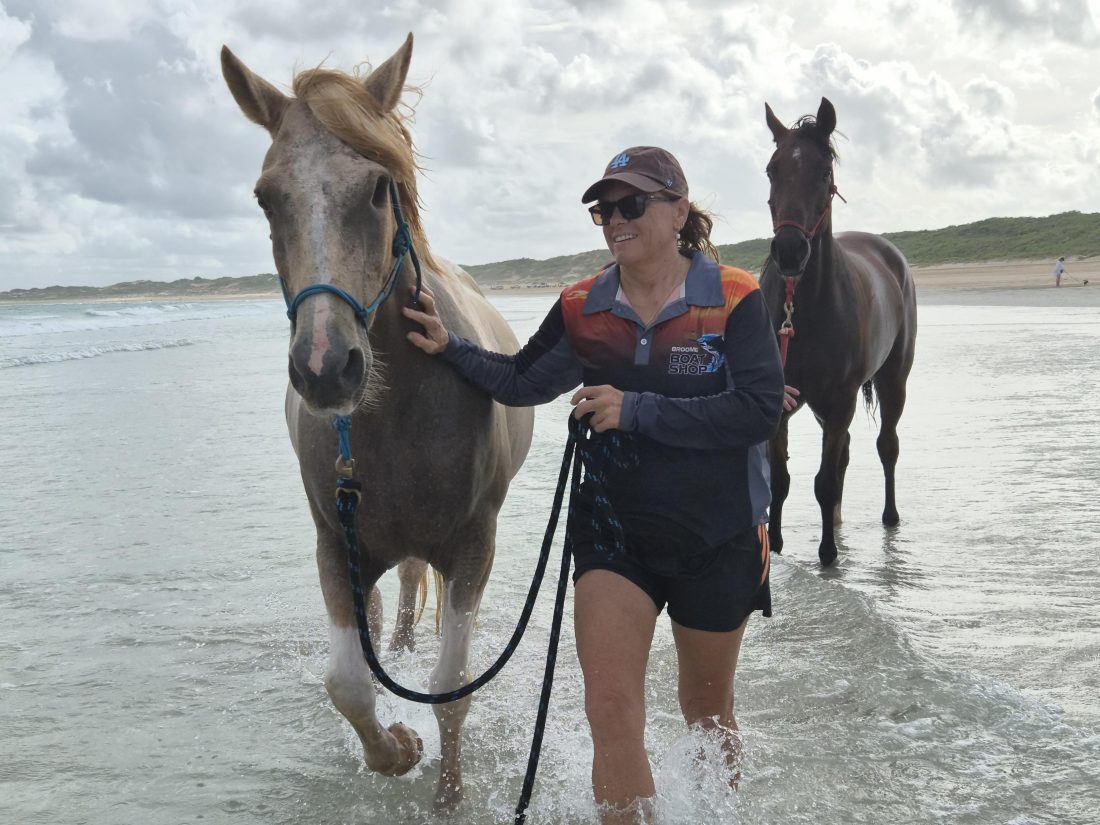
Since it began, Yawardani Jan-ga has engaged more than 1000 Aboriginal young people and trained more than 30 local Aboriginal staff across Broome and Halls Creek.
For Mr Moore, the visit connected closely with the purpose of the Stamp It Out Tour.
"My whole tour is about stopping harm before it escalates," Ms Moore said.
"What Juli and the team are doing here, this is that work.
"This is prevention. This is giving young people tools before things get to crisis."
Mr Moore said the program showed the importance of creating safe spaces where young people could rebuild connection at their own pace.
"You can feel the shift," Ms Moore said.
"It's not about telling young people what to do.
"It's about creating a space where they can come back to themselves."
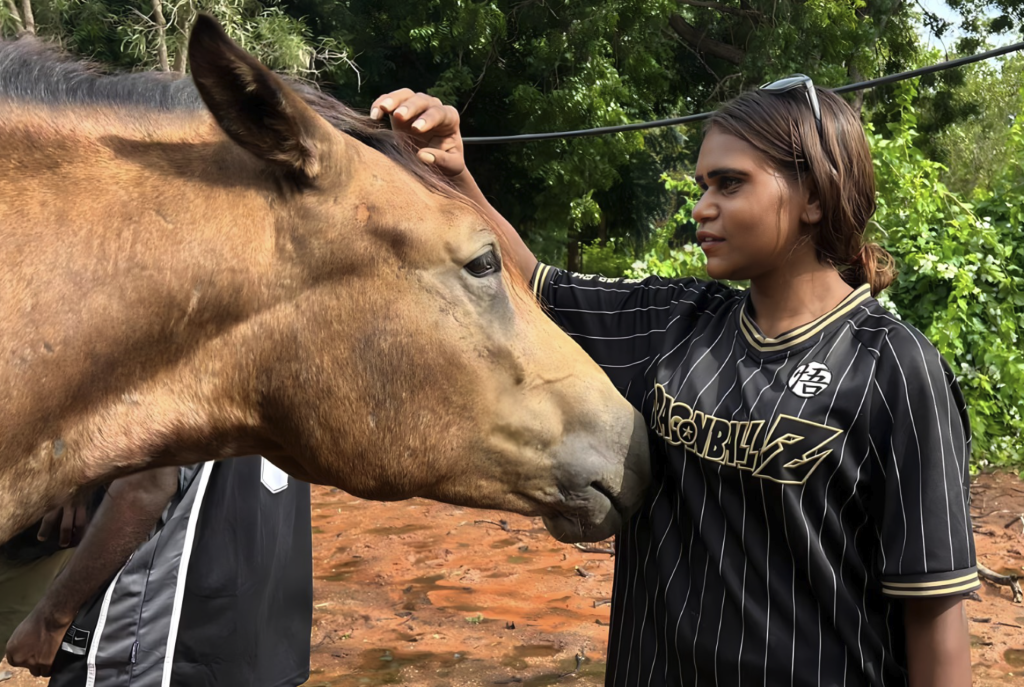
The connection between 'Stamp It Out' and Yawardani Jan-ga is grounded in relationships, trust and creating conditions where people can feel safe enough to grow.
On Yawuru Country, that work is shaped through horses, Country, cultural knowledge and community leadership.
Yawuru Elder and matriarch Aunty Di Appleby has described the program's approach as creating Mabu Liyarn - a good feeling and strong spirit.
Ms Moore said the experience would stay with her as she continued the Stamp It Out Tour.
"This place stays with you," Ms Moore said.
"It reminds you that healing doesn't always need to be loud.
"Sometimes it's quiet. Sometimes it's just being present, with the right people, in the right place."
As the tour continues, Ms Moore said programs such as Yawardani Jan-ga showed that many solutions already exist within communities.
On Yawuru Country, Professor Coffin's work is supporting Aboriginal young people through a model grounded in place, culture and trust.
Mr Moore's tour is now carrying those lessons into a wider national conversation about prevention, healing and community-led responses.



