




Official, national weed recognition will aid efforts to stop the "killing" of Country being caused by buffel grass, Traditional Owners say.
A delegation of Traditional Owners from APY Lands and central Australia have travelled to Canberra for meetings with federal politicians and to urge for action on the "silent creeping killer".
A popular cattle feed, buffel grass is described by opponents to its prevalence, including Traditional Owners, as an invasive weed causing major impacts to the landscape.
It's already a declared weed in South Australia and the Northern Territory.
Delegation member, Wiradjuri man and Invasive Species Council Indigenous Ambassador Richard Swain said buffel grass has already taken over 26 per cent of the mainland, with the chance of this increasing to 70 per cent.
"It's a silent creeping killer," Mr Swain told reporters. "It's a weed that is a boom for the cattle industry, and a bust for Country. It's a bust for tourism, health, and firefighting."
Mr Swain said Aboriginal people need to have a voice to speak for their land.
The delegation had meetings scheduled with Senators independent David Pocock and the Greens' Sarah Hanson Young on Thursday, alongside the offices of Environment Minister Murray Watt, Agriculture Minister Julie Collins and Minister for Indigenous Australians Malarndirri McCarthy, as understood by National Indigenous Times.
Listing as a Key Threatening Process, Weed of National Significance and practical measures - like the establishment of a national buffel coordinator, action plan with research and on-ground restorative, reduction controls - have been called for by the delegation.
"If we don't get it listed as a Weed of National Significance, we won't have the ability to find a control method to stop this weed from killing Country," Mr Swain added.
Buffel grass has its defenders as 'critical for the cattle industry'.
Mr Swain said action isn't intended to wipe it out entirely.
"Getting it listed as a Weed of National Significance will give us research. We're not trying to stop farmers from having this, but it's escaped the gates," he said in Canberra.
He labelled buffel grass a "pollution", also spread by flooding, animals and through the air, adding national recognition will bolster efforts to control the spread and "save Country" with proper research.
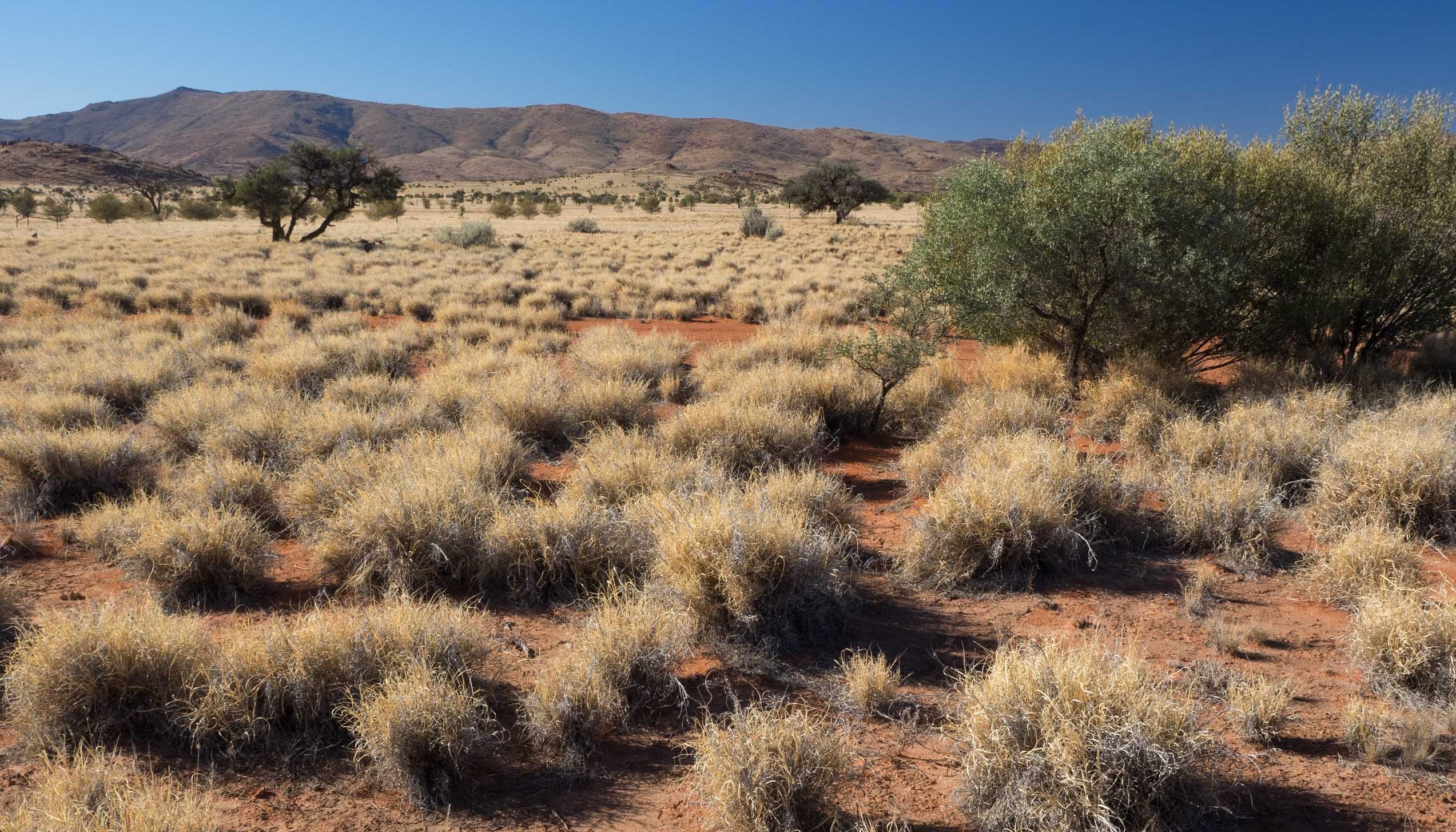
Traditional Owners have pointed to buffel grass as a major fire risk.
Senator Pocock told the upper house on Thursday: "For First Nations communities. This is not only an ecological crisis, but a cultural one".
"(The delegation's) presence reminds us about the importance of connection to country and caring for country. Buffalo grass is rapidly transforming Australia's arid landscapes," he said.
The issue also "speaks to something bigger", Senator Pocock added, as "Australia has already lost so much of our incredible biodiversity".
"We've lost so much nature on a continent as extraordinary as this one, as unique as this continent, is we simply cannot afford to lose more because we fail to act on invasive species."
South Australia's Department of Primary Industries and Regions describes the impacts of buffel grass as invading rangeland, eliminating native species and a fire hazard.
The Northern Territory government says it grows rapidly in central Australia, creating environmental damage, increasing fire risks and damage on Aboriginal culture.
The Arid Lands Environment Council describes buffel grass as a rapid spreader and "one of the worst invaders of arid ecosystems worldwide".
Push for formal weed recognition dates back years, its submission for Key Threatening Process assessment to 2024.
A federal government spokesperson told National Indigenous Times buffel grass management is a government priority, with federal government funding to this management already in place, alongside other measures.
In relation to Threatening Process Assessment of buffel grass, National Indigenous Times understands the Threatened Species Scientific Committee has requested more time for data collection, compiling evidence and public consultations with their assessment now due April 30 2027, to be handed to Minister Watt.
Mr Swain said flooding in central Australia has created a 'green carpet' in desert Country - leading to increased spreading of buffel grass, in cases risking centuries-old desert oak trees.
Camille Dobson is an Eastern Arrernte Traditional Owner.
"Buffel is having a huge impact on our culture, on our plants, our ability to gather bush foods and collect medicines. It's killing Country.
"It's an invasive weed. We need to do something about it. We're hoping to get support to get the weed declared a Weed of National Significance, so that we can start taking action and cleaning up our Country."
Senator Hanson-Young said buffel grass "needs to be managed as a weed, and needs to be managed seriously".
It makes fires worse. That makes the job of firefighters harder. It puts communities at risk. And as we've heard from Traditional Owners this morning, this is making it harder and harder to for them to carry out their culture," she added.



