




New South Wales has signed a state-based Closing the Gap partnership agreement to help improve Aboriginal health, education and social outcomes in the wake of a scathing Productivity Commission report released last week.
The partnership between Premier Chris Minns, the NSW Coalition of Aboriginal Peak Organisations (NSW CAPO), and Local Government NSW is the next step following the National Agreement signed in 2020, which found traditional government methods were failing Indigenous people, and a collaborative approach with First Nations organisations and communities was needed.
The latest partnership addresses the first reform priority in the agreement, which argued for the establishment of formal partnerships and shared decision-making. The Productivity Commission report said the progress on this aspect had been weak, reflecting a "business-as-usual approach."
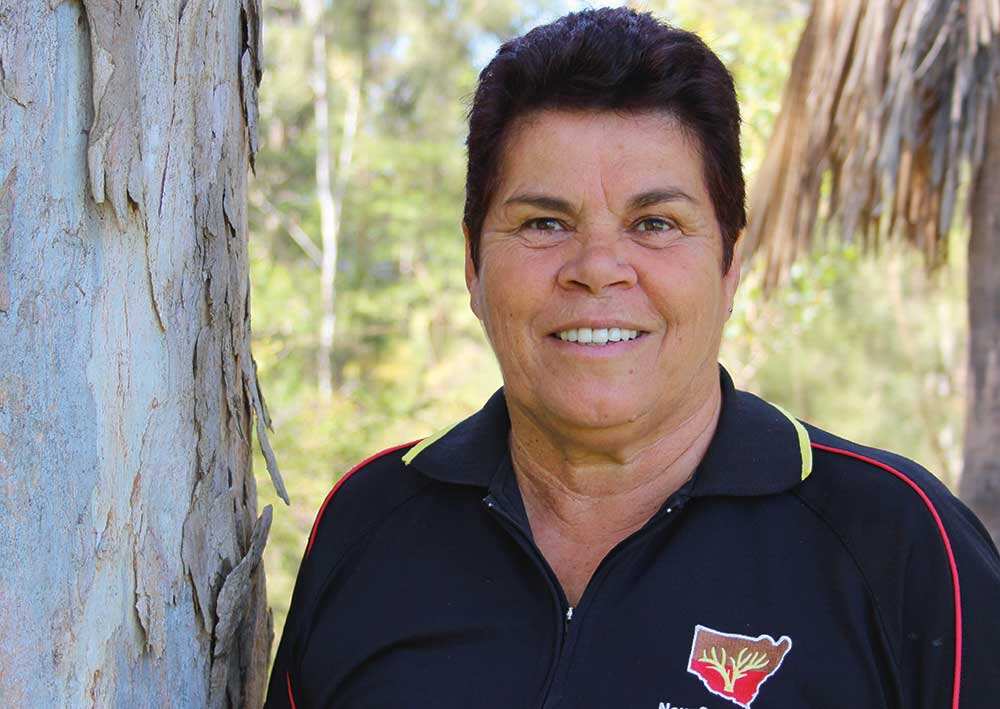
CAPO Co-Chair, Birra Gubba, Wakka Wakka and Tongan man John Leha, said the partnership agreement is a significant step in CAPO reaffirming their commitment to collaboratively working with government to achieve better outcomes for - and with - First Nations communities.
"We acknowledge that we still have a long way to go in implementing the principles of shared decision-making, partnership and transformation across the public service, broadly," Mr Leha said.
"Achieving this level of partnership requires a sustained commitment to overhauling government processes around decisions relating to First Nations Peoples.
"The progress made across the last 3 years is indicative of what we can achieve with legitimate and ongoing engagement from all parties, and I look forward to continuing to break ground in this space."
A government statement said the agreement reaffirmed the commitment from NSW CAPO, the NSW Government and Local Government NSW "to work together on Closing the Gap in full and genuine partnership to achieve better life outcomes for Aboriginal people".
"It reflects that local government can play an essential role in the concerted effort towards Closing the Gap in a range of areas including health, education, employment, and housing," the statement said.
Fellow CAPO Co-Chair, Gamilaraay woman Anne Dennis said the government "must lead the transformation in driving the public service to overhaul processes and building genuine partnerships with First Nations Peoples and communities, on matters that affect them".
"This necessary shift in the balance of power will be crucial in ensuring that decision making processes are shared with and led by community," Ms Dennis said.
The partnership is the second nationally, after South Australia, to formalise a state-based partnership under closing the gap metrics, but the first to involve local government.
Minister for Aboriginal Affairs and Treaty David Harris said NSW had signed up to the Closing the Gap targets because the status quo hadn't served the 300,000 Indigenous people in the state better.
"We recognise that Aboriginal communities and organisations know what works best for them," Mr Harris said.
"Closing the Gap policies have the best outcomes when they are co-designed and implemented with Aboriginal communities."
Metrics in NSW for Aboriginal people fall significantly below the non-Indigenous population, reflecting a pattern Australia-wide. National Indigenous Times reported on a worrying number of examples of children being removed from their home - seemingly without adhering to the Aboriginal Child Placement Principle - with Aboriginal organisations decrying the lack of consideration for culture and family in the decisions.
Data released last week also showed NSW has hit a new threshold: for the first time, Aboriginal and Torres Strait Islander people made up more than 30 per cent of the adult prison population. The latest NSW Bureau of Statistics Crime and Research figures also showed 61.5 per cent of juveniles in detention were Aboriginal - a new record.
Mr Harris said NSW was committed to working with Indigenous communities and organisations to deliver better outcomes; ultimately to improve the lives of Aboriginal people nationwide.
"Closing the Gap policies have the best outcomes when they are co-designed and implemented with Aboriginal communities," he said.
"The gap that we seek to close has been created over many decades, and the solutions will take time and concerted effort."



