



Western Australia's Inspector of Custodial Services has warned the massive increase in the state's prisoner population, understaffing and limited program access is undermining safety and security and driving up serious self-harm and assaults.
Inspector Eamon Ryan's Annual Report 2024-25, released Tuesday, highlighted the "significant challenges" brought about, in part, by the ongoing growth of the prisoner population.
"There was a 15 per cent increase in the average prisoner population between 1 July 2023 and 30 June 2024. This year we saw that figure increase again by another 12 per cent. But that does not provide the true story. On 1 July 2024, the adult population was 7,800. On 30 June 2025, that number was 8,475. This level of growth is unsustainable, and if all those people were to be placed in one prison, it would be the fourth largest in Western Australia," he said.
The Annual Report also highlighted the "compounding impact" short staffing has had on the rising prisoner population. Staffing shortages occurred in both custodial and non-custodial areas and consequently impacted "every aspect of a person's custodial journey".
"When the prison population is as high as it has been, coupled with insufficient staffing, time in custody is simply not as rehabilitative and reintegrative as it should be," Mr Ryan said.
"People spend too much time in cell, and often with more people than the cell was designed to accommodate. Their access to therapeutic programs to address their offending behaviours is limited. Their access to other opportunities, like education and employment which build skills to help their chances to reintegrate, are also curbed.
"They get minimal access to recreational pursuits to burn off steam and better their physical and mental state. And the quality and quantity of their contact with family is also reduced because everyone is competing for the same phones and visit sessions."
Mr Ryan said these problems are "real frustrations" which "can result in some worrisome safety and security issues".
"Unfortunately, this was borne out over the past year with an increased number of attempted suicides, and prisoner-on-prisoner assaults," he said.
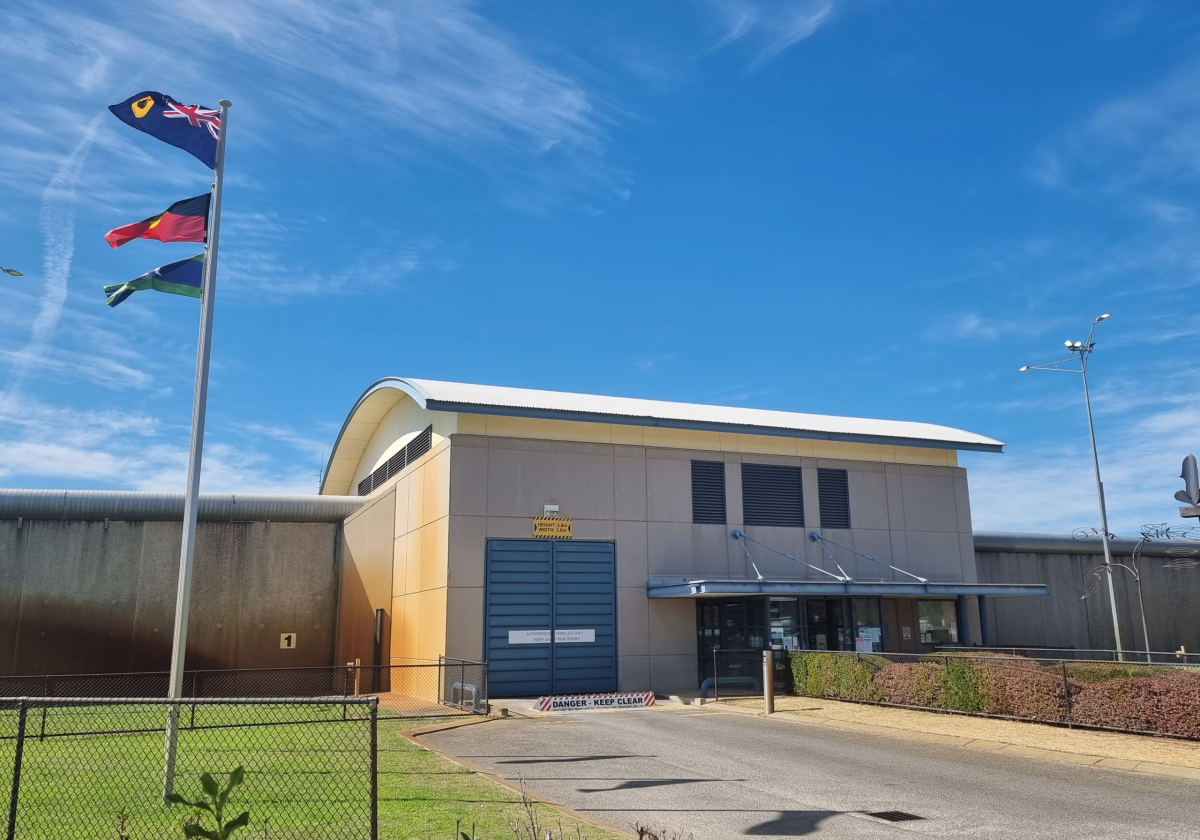
Indigenous people are drastically overrepresented in WA's prison system.
Kurin Minang human rights expert and law academic, Dr Hannah McGlade, told National Indigenous Times the report indicated Western Australia is "going down a steep dangerous path that does not make community any safer, in fact to the contrary".
"Damaging people through inhumane and cruel prison practices and unnecessary incarceration increases safety risks if anything," she said.
"It's also a significant misuse and waste of public resources which are much needed for essential services such as schools and hospitals.
"And, of course, we know there is systemic discrimination at play and neglect and failure to even ensure that incarceration is only a matter of last resort, that incarcerated people receive the rehabilitation and reintegration support necessary."
Dr McGlade, a member of the United Nations Permanent Forum on Indigenous Issues, said the report's findings demonstrated the Western Australian government "has failed to show leadership on justice and a crisis is on our doorstep".
Noongar academic Associate Professor Jocelyn Jones, known for her substantial contribution on First Nations health and social wellbeing through her work with Aboriginal prisoners and juvenile justice, told National Indigenous Times that the high number of people on remand, "many of whom could be adequately managed in the community", was of particular concern.
"Evidence shows that expanding culturally safe diversion and bail support programs, alongside investment in community-based, trauma-informed, and therapeutic services, reduces re-offending and eases custodial pressures," she said.
"Real reform must prioritise prevention, diversion, and reintegration—keeping people, especially those on remand and with low-level offences, out of prison and connected to their communities."
Mr Ryan acknowledged Corrective Services' efforts to develop a strategic plan setting priorities and actions to address some of the concerns his Office raised in 2024-25, and noted "the challenge ahead" would be securing the necessary resources to put these plans into action.



