



It's been five months since measures were implemented to ban under 16s from accessing social media.
For some young people —especially those outside of metro areas — the ban has made it more difficult to access online content relating to culture, education, and essential services, Indigenous voices say.
Since December 10 the Online Safety Amendment Bill has put nationwide restrictions on young people under the age threshold, with Meta's Facebook and Instagram, and TikTok required to make reasonable steps to uphold these restrictions.
Ahead of the legislation passing in late 2024, Prime Minister Anthony Albanese said the move was "calling time" on the harm social media was having on the country's kids, protecting their wellbeing, and having parents' backs.
Then-Communications Minister Michelle Rowland said the restrictions, which followed extensive consultations with experts, were about minimising harm and holding social media platforms accountable for their users' safety.
The eSafety Commission describes the policy as a delay, rather than a ban.
In recent weeks, measures have been tightened to restrict access to adult material online, with Australian adults still able to access it with certain age verification requirements.
If connection to culture and services goes with ban, investment elsewhere is a "must"
National peak for Indigenous children and young people SNAICC - National Voice for our Children is broadly supportive of the policy, but believes there's more complexities to it.
For kids in remote and regional communities, social media has been an important platform, the organisation's chief executive Catherine Liddle said.
"SNAICC supports the policy because we know many online environments can be unsafe for Aboriginal and Torres Strait Islander children and young people but removing access to social media cannot be the end of the conversation," Ms Liddle told National Indigenous Times.
"For many of our young people, particularly in regional and remote communities, these platforms have been an important way to stay connected, share pride in culture, and express their voice and talents."
.jpg)
To see the benefits of the ban, meaningful alternatives are needed in lieu of social media, Ms Liddle added.
She said without alternatives, taking away kids' access to social media risks creates "a void in young peoples' social lives, way of communicating and access to many vital services".
"If governments want to see young people off screens and building healthy connections, they must invest in the places that make that possible - youth hubs, sporting clubs and community programs led by Aboriginal and Torres Strait Islander organisations that know their children and families best. We hope to see funding flow through for these grass roots initiatives," Ms Liddle said.
"Connection doesn't happen by chance, and for our children, especially living out bush, it is critical to their health and wellbeing."
WA Commissioner for Children and Young People and Arrernte and Warumungu woman, Dr Jacqueline McGowan-Jones, told National Indigenous Times: "In many remote areas, social media is not just a leisure activity; it is one of the few reliable ways children and families stay connected to education, culture, community events, and essential services."
"When restrictions are introduced without considering these realities, the consequences can be far more disruptive than they are for families in regional centres or metropolitan areas."
A consultation on the restrictions for all young people in the state received 145 submissions. 120 came from those under 18 years of age.
"Young people expressed complex and sometimes contradictory views. Many acknowledged potential benefits for safety and reduced screen time," a collation of the views shared.
"The majority, however, were concerned about losing vital connections with friends and family, access to learning resources, and online spaces where they feel they can be themselves,' as outlined in the 'What young people said' publication."
Fifty-five responses came from those in country and regional WA.
.jpg)
In the lead-up to the restrictions coming into effect, a CCYP campaign acknowledged "at-risk groups", including young people with disability, LGBTIQA+ young people, rural and remote young people, Aboriginal young people, and culturally and linguistically diverse young people, may be particularly affected by loss of online community access.
For Indigenous children and families, Dr McGowan-Jones said the ban could unintentionally deepen existing inequalities by potentially reducing access to things such as community notices, emergency updates, online learning, youth programs and "culturally important content shared by Elders and community leaders".
It might also make reaching supports such as Telehealth and mental health services, and government services relying on digital communications more out of reach, the Commissioner said.
A Government spokesperson told National Indigenous Times the "world leading" legislation is about giving young Australians a break from the pervasive pull of social media, brought following frequent engagement with those it impacts, including Headspace's Youth National Reference Group, First Nations Youth Advisory Council and the Orygen Youth Advisory Council.
"The legislation incorporates extensive feedback received through consultation with key stakeholders including young Australians, but also parents and carers, the digital industry, community organisations, civil society groups, and experts in child development, mental health and law," the spokesperson said.
"Messaging, email, voice calling or video calling are excluded from the social media minimum age law, as are education and health services."
Relevant resources for, and co-designed with First Nations communities are available, via the eSafety Commissioner.
"I think it's only going to have a benefit for young people."
Thoughts on the impact the ban might have on young people are varied.
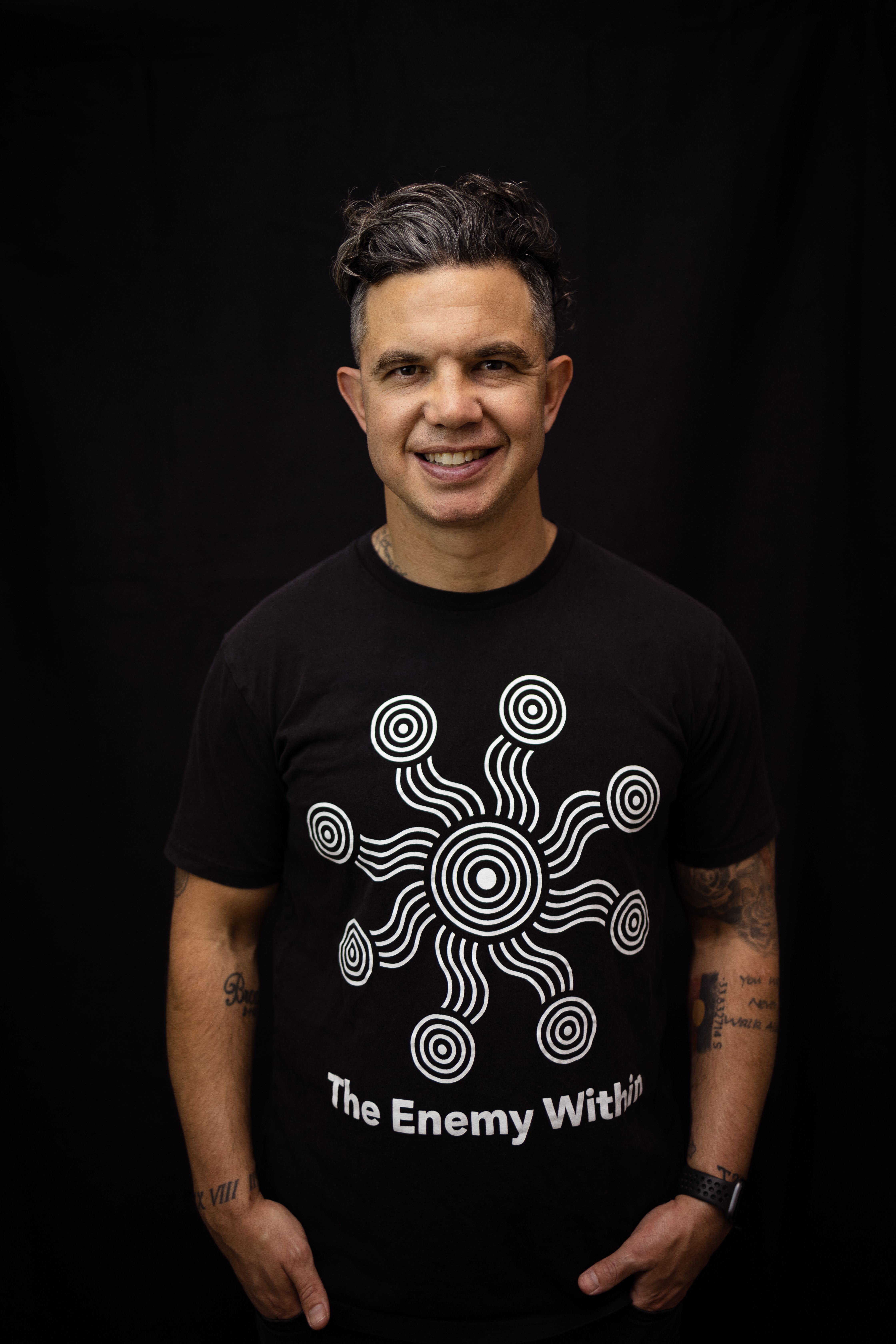
Wiradjuri-Wolgalu man Joe Williams is a former NRL player and boxer.
He's a fan of the restrictions coming into place — not just for Indigenous kids or those in remote areas — but for all young people and their families.
Mr Williams told National Indigenous Times the result of the legislation won't be seen for a number of years, but when it does it will be in more self-assured, healthy young people and closer families.
He said the positive impacts will include young peoples' connections with others their own age, their parents and role models, and the reversing of negative mental health impacts and personal identity challenges often attributed to social media.
It's a shield from "so much toxicity" online, and a conversation to be had about "why our kids are feeling the need to post so much," Mr Williams said.
"There is an obvious, obvious rise when it comes to things like mental health challenges throughout the community, of all parts of the community," he said.
"I think it's only going to have a benefit for young people, particularly moving forward, because they're just really struggling to fit in. They're struggling to belong in a place where everybody knows them, everybody loves them, but we're surrounded by 100 people and feeling so alone."
The family unit will also see the benefits, Mr Williams believes, with some responsibility resting on parents "to say 'what can I do?' instead of "what can kids do?'".
He hopes children and young people will be able to form stronger, better relationships, alongside their role models.
Mr Williams is a key opinion leader on the eSafety Commission's For the good of their wellbeing campaign, which is raising awareness of the social media minimum age laws.
An eSafety spokesperson said the age restrictions are designed to "protect young people from the pressures and risks they can be exposed to while logged in to social media accounts, while recognising that social connection is important, particularly for First Nations children and young people, and those in regional and remote communities".
"Importantly, the reforms are targeted at age-restricted social media platforms and do not apply to a range of online services with a primary purpose such as messaging, gaming, education or health," they added.
They also pointed towards the Commissioner's Safer Together and Leaving Deadly Digital Footprints resources.
"The Social Media Minimum Age is a delay - not a ban - giving young people more time to build digital literacy, critical thinking and emotional resilience before engaging with social media environments. It is one part of a broader approach to online safety, which includes industry codes and standards and our Safety by Design framework," the spokesperson said.
"eSafety will continue working with First Nations communities, governments and stakeholders to ensure implementation considers the needs and experiences of all young people and families."



