


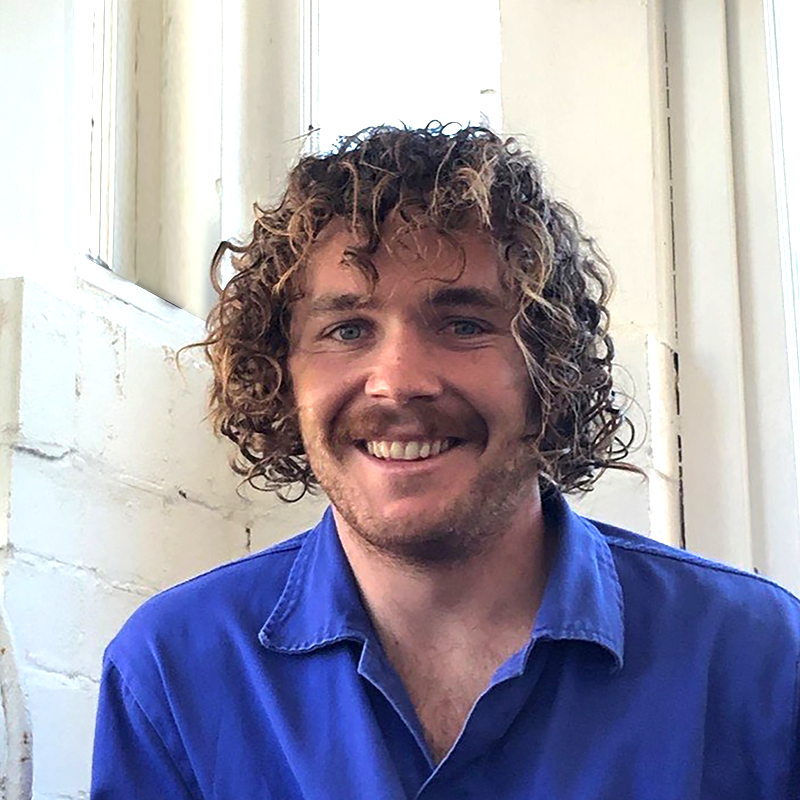

Australian Indigenous Psychologists Association says empowering young people and grassroots community-led action is key to reducing First Nations suicide rates.
Between 2018-2022 the suicide rate among First Nations people was 2.5 times higher than non-Indigenous Australians, according to the Australian Institute of Health and Welfare.
Like broader statistics, Indigenous males were more likely to take their own lives than Indigenous females, and 2.6 times as likely to do so compared to non-Indigenous males.
AIHW data was taken from New South Wales, Queensland, Western Australia, South Australia and the Northern Territory.
In the same period, suicide was the cause of 4.6 per cent of all deaths of Indigenous people, and close to a quarter of all deaths for people 24 years and younger.
'Elevating the voices of the next generation' was key to the theme at the national workforce convened for the Indigenous Suicide Prevention Forum in Sydney last week.
"Nothing about us without us," Australian Indigenous Psychologists Association (AIPA) director Tanja Hirvonen told National Indigenous Times, "so that includes cohorts like young people, elders, people in community, LGBTQI mob".
"We have to make sure that we are listening to those voices, and they're part of the solution…we actually have to hear the voices to be able to make sure that it comes into action."
Ms Hirvonen added "one size does not fit all".
AIPA hosted the sector's annual forum.
In 2024, Indigenous non-for-profits and Community Controlled Organisations made up 44 per cent of event attendees.
It's a gathering for discussion across the sector for prevention, but intervention and post-vention as well, Ms Hirvonen said.
"We've got rainforest country, desert country, saltwater, Island roots," she said.
"So if you applied a one size fits all (approach) to all these different environments and locations, that's woefully inadequate and culturally ineffective."
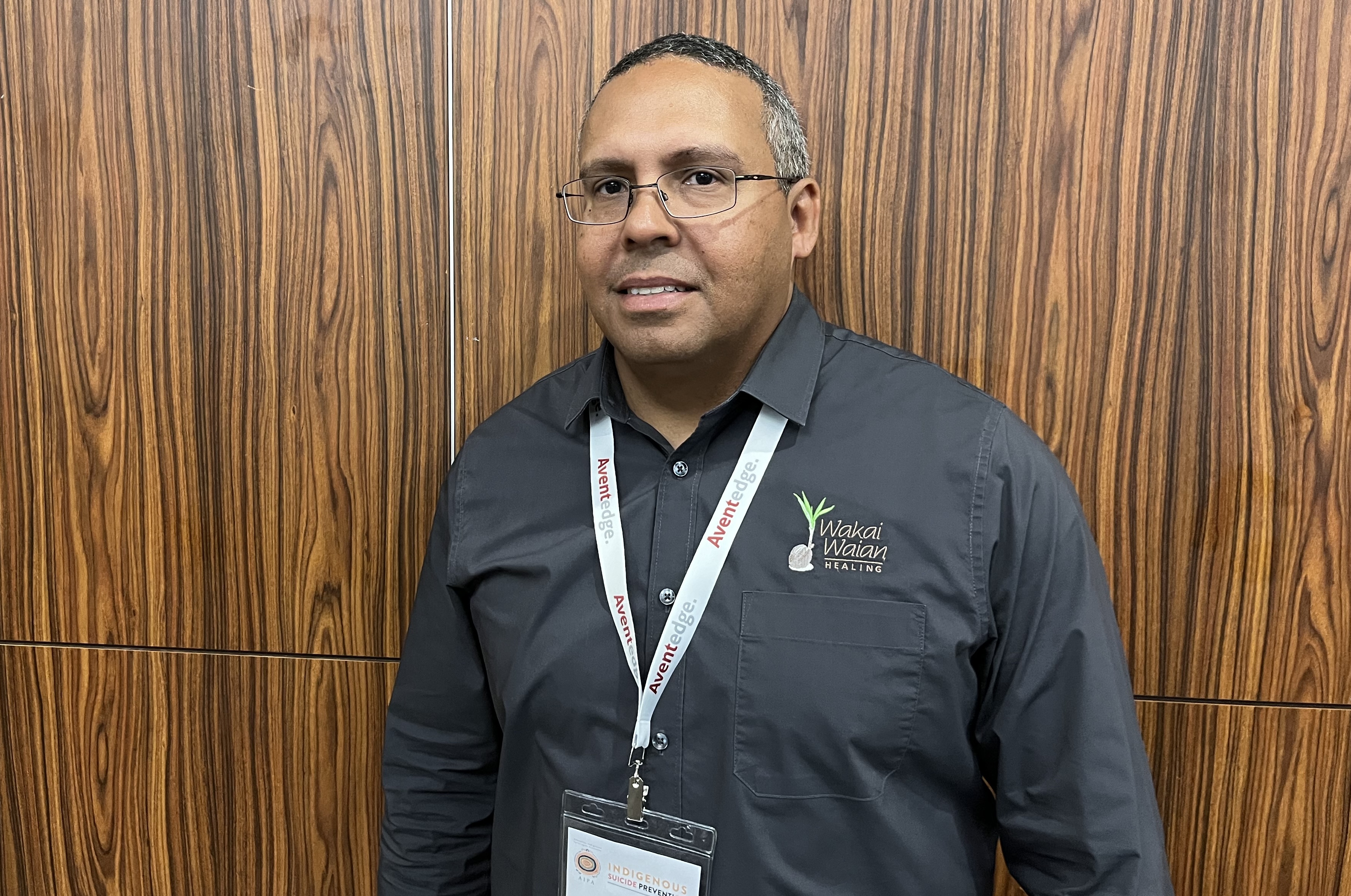
Edward Mosby is a Torres Strait Islander man, psychologist and chief executive officer of Wakai Waian Healing, which he founded a decade ago.
The psychology and counselling service delivers to 14 communities across Queensland.
Around 70 per cent of their employees are First Nations, Mr Mosby said.
Speaking at the forum, Mr Mosby said the first point of call for Wakai Waian psychologists is learning the needs and gaining knowledge from the communities, community by community and down to the individual.
"Place-based initiatives" are working across the sector, he said.
"Its easy to go into a community saying 'you get what you get'. It's easy to do that. But it's wrong.
"Grassroots initiatives, reciprocity…that's us"
Aunty Glendra Stubbs, former Link-Up NSW Stolen Generations support service chief executive, and John Duckett were two speakers on an Elders panel.
"There's not an Aboriginal family that haven't been touched by suicide, Aunty Glendra said.
Uncle John rejects the expectations of men
"Don't cry in your own house, and don't tell anybody" were common through his upbringing, he said.
Fellow panel member Chris Duckett asked why the lack of dedicated drug and alcohol services for Indigenous people aren't more common and better resourced.
"I don't want to keep putting the boot in, but we have to," he said.
"Weve got the oldest knowledge in the country, in the world, and we're not using in enough…to heal our young."
A balance between structural systems, from government level, to organisations, community-led, and grassroots approaches was highlighted.
"Hearing the voices of the people on the ground" is vital, Ms Hirvonen said.
The forum is an important event on many levels, AIPA vice chair Kelleigh Ryan told National Indigenous Times.
"I also think that we talk about the challenges of walking in both worlds (western and traditional) and the challenges of working in a system that is foundationally biassed, and how we make that work," Ms Ryan said.
"This is not a small problem".
NSW Health was a rare example of a Government-agency presence leading sessions and addresses at the event.
The state's four-year Towards Zero Suicides initiative is backed by $143.4 million government investment from 2022.
Its strategic framework reads "Aboriginal Community Controlled Health Organisations (ACCHOs) have been supported to implement local culturally appropriate suicide prevention activities as part of the Building on Aboriginal Communities' Resilience initiative".
"Funding has been used to enhance existing social and emotional wellbeing activities and/or to establish new and innovative community activities that contribute to suicide prevention, led by Aboriginal people, for Aboriginal people," it reads.
NSW Health director of Aboriginal Mental Health, Matthew Trindall, told the forum "There's a whole role of responsibility, not only for government, but for everyone".
"Things are heading in the right direction (funding, services available)... but unfortunately suicide rates aren't." he said.
According to statistics, approximately 617 Aboriginal people in NSW have died by suicide since 2015.
It's the fourth most common cause for death amongst Indigenous people in the state, and is twice as common in regional and remote communities.
Next steps for NSW Health include:
- Building the evidence through Aboriginal led decision making, shift from co-design
- Improving systems to support the sector and communities, inclusion of dashboards with disaggregated data sets
- Developing appropriate governance and accountability mechanism, embedding Aboriginal specific KPIs and performance reporting
- Improving access and engagement for services, trialling Aboriginal led referral pathway programs for community to access
- Advocating through bilateral arrangement between commonwealth and state
- NSW Aboriginal Suicide Prevention Forum in June 2025
The federal Government, in partnership with social and emotional well being, mental health and suicide prevention organisation Gayaa Dhuwi (Proud Spirit), announced the National Aboriginal and Torres Strait Islander Suicide Prevention Strategy 2025-2035 late last year.
Gayaa Dhuwi received $1.9 million to develop effective implementation plans for the strategy with the sector and all Australian governments.
Commitments of $3.9 million for the Aboriginal and Torres Strait Islander Lived Experience Centre, and $2.4 million to National Aboriginal Community Controlled Heath Organisation (NACCHO) for a suicide prevention education and training program were also made.
AIPA vice chair Kelleigh Ryan said there's a lot of responsibility at the top level to ensure "knowledge is shared" and to address "a systemic problem that continues".
"We've been in this space caring for each other and caring for Country for a long time, and I think the Western system separates those things and separates us into hierarchies that don't actually exist, that didn't exist for us," Ms Ryan said.
"It's that sharing of knowledge and embedding that knowledge in our younger generation...and holding space for both those world views, not just the non-Indigenous worldview that talks about funding and policy and practices."



