



The growing digital divide among young Australians has renewed calls for donated devices to be distributed to students in need. For many in remote communities, including the Torres Strait, the lack of access to technology is a major barrier to learning.
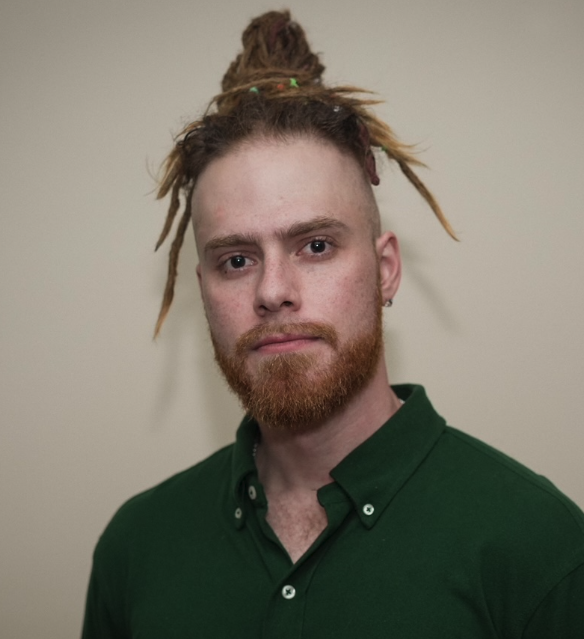
Levi Dugger is a Department of Education teacher based at Kaziw Meta Boarding House on Thursday Island, where he manages the academic support program for approximately 80 students from outer island communities.
Many arrive without basic digital literacy, highlighting a widening access gap in Australia's education system.
Mr Dugger told National Indigenous Times most students come from small island schools with only two or three teachers and limited resources.
"Maybe they haven't had access to consistent technology just in schooling, let alone their personal lives," Mr Dugger said.
"For the most part, they don't have access to personal devices that are used in a work or a learning capacity.
"The secondary school currently isn't a one-to-one ratio of devices to students."
Students must adapt quickly to digital demands despite entering with limited exposure to technology.
"This means students start their high school education with very minimal digital literacy," Mr Dugger said.
"There's a lot of time spent teaching them how to use technology for learning and professional benefit.
"A lot of education and the workforce is moving towards an assumption of digital literacy, and many of our kids are starting off without that."
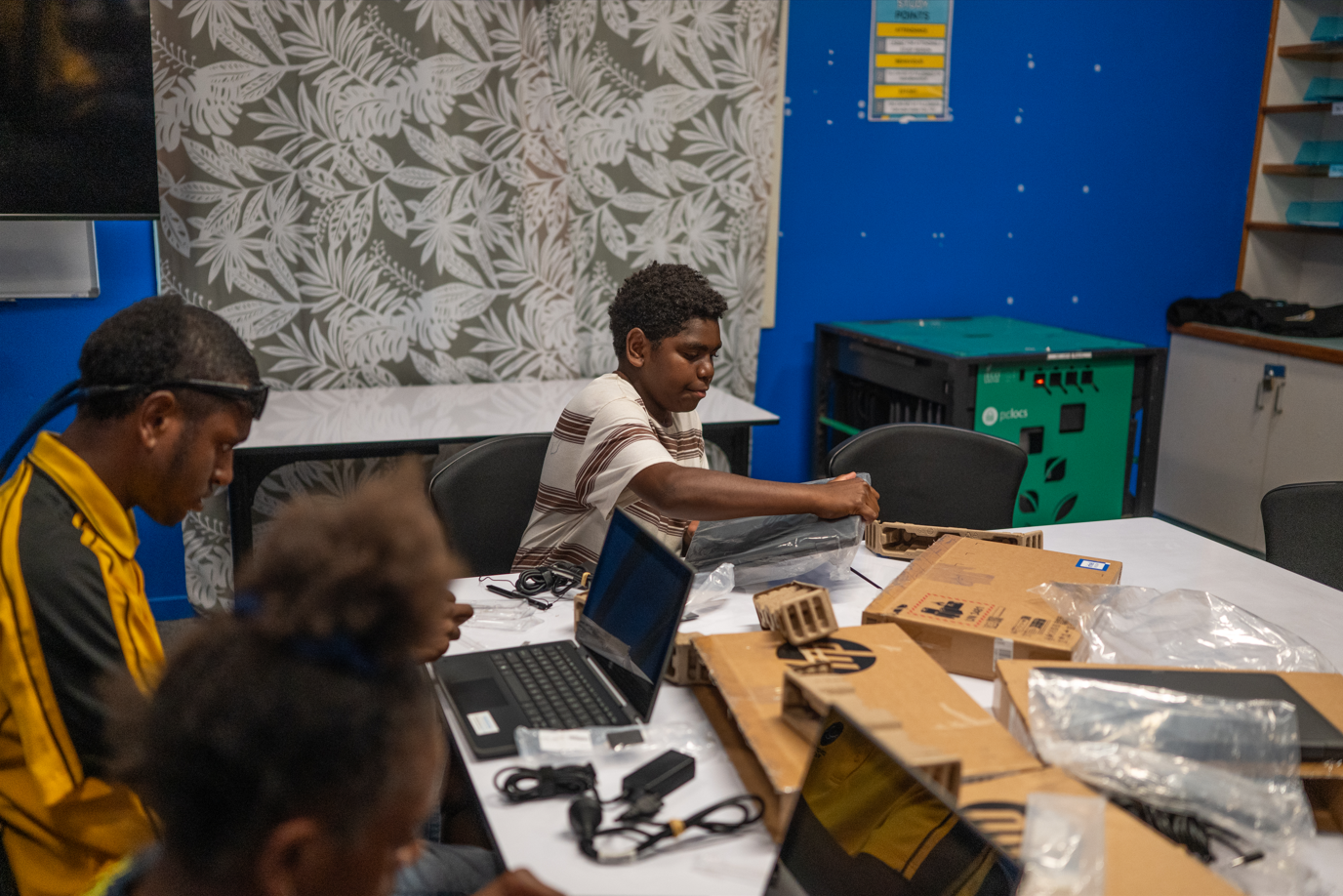
Geographic isolation adds another layer of difficulty in accessing learning devices.
"You go to the outer islands, you can't buy a laptop - the best thing you can buy is a phone at the small supermarkets," Mr Dugger said.
"There's a lot of examples where companies won't ship a laptop or electronic device over water in Australia.
"As soon as you put in the postcode, it just says no, not happening."
Mr Dugger said limited digital access has long-term consequences for education and employment pathways.
"This world is increasingly being geared towards creating opportunities for people with talents or interests in digital and technological spaces," he said.
"There's a space for success for people out west, for people in the islands, to grab opportunities that aren't just talent-based, like footy or singing.
"Whatever jobs present in front of them in the community, they should be able to go beyond that with digital tools."
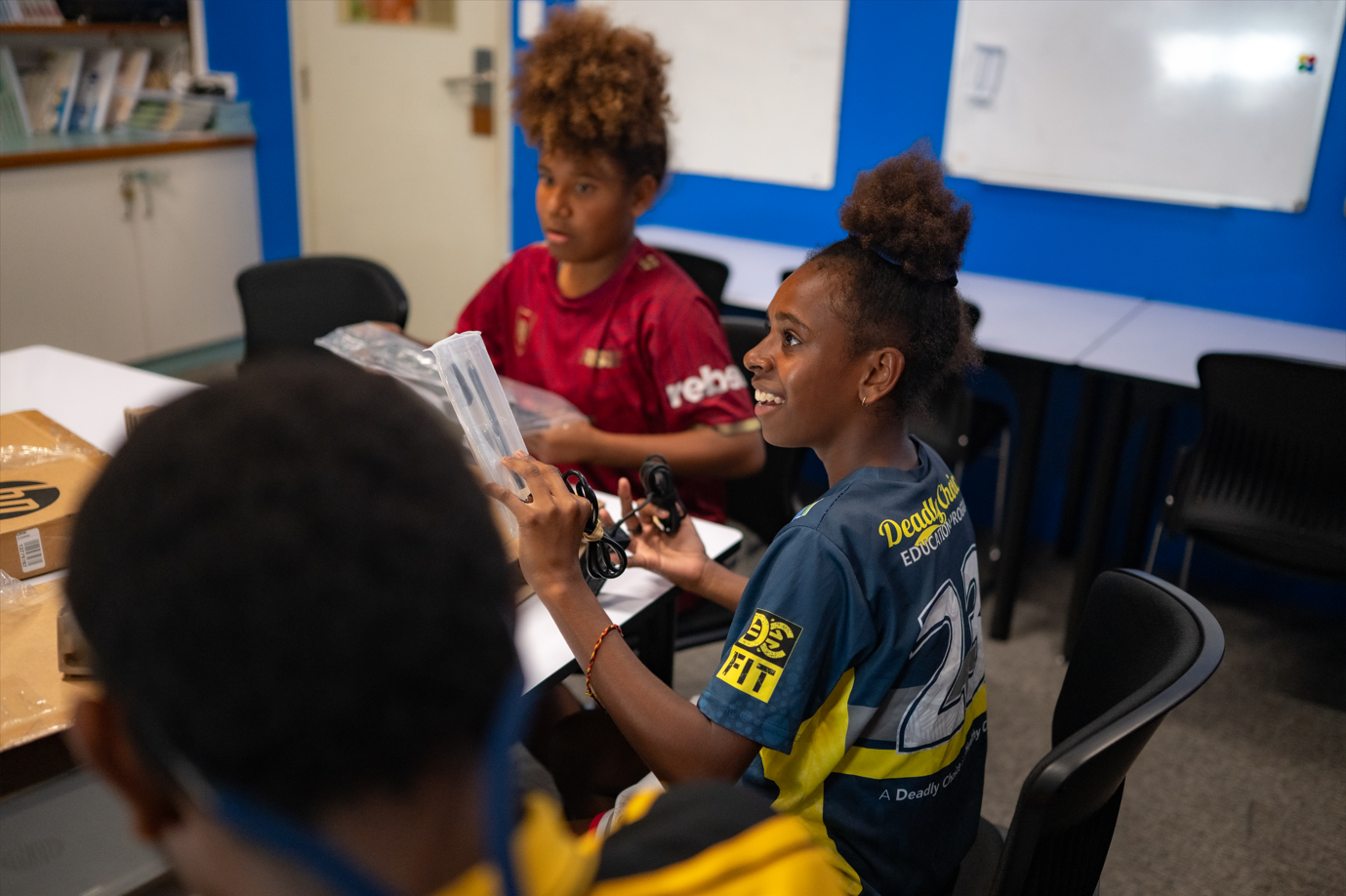
He recalled how COVID-19 exposed the access gap when local schools were unable to transition online.
"We had to print out thousands and thousands of pages of booklets and send them to every kid in the mail," Mr Dugger told National Indigenous Times.
"We couldn't actually move to online learning for our kids because they didn't have devices and reliable internet at home.
"Even now, most of the kids are on pen and paper in each classroom."
However, the National Device Bank offers a promising solution.
"They are able to repurpose and refurbish devices that are fit to be used by students and borders for education," Mr Dugger said.
"Anything businesses or government can do to change that and encourage access - whether that's through getting things to remote areas or sourcing products - would be amazing.
"We've got challenges in terms of access, so support like this is super vital."
He pointed to a local student who received training through the initiative and now works supporting tech at the boarding house.
"They were willing to pay him and give him the opportunity to learn these new skills," Mr Dugger said.
"He really flourished. He's now in Year 11 and is casually employed as one of our tech guys.
"All he needed was a laptop and someone at the other end of the line to help him learn."
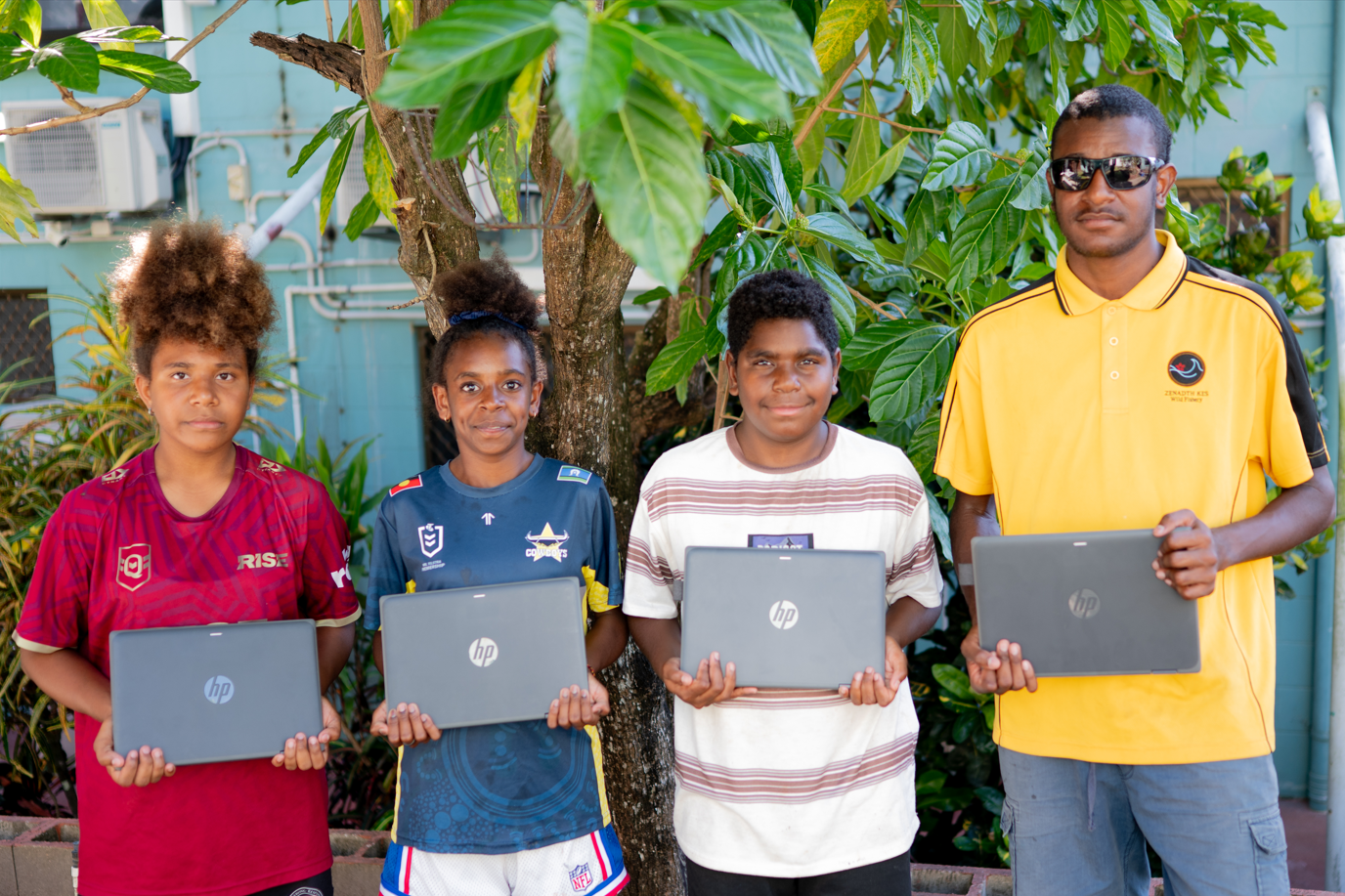
He believes there is no longer an excuse to overlook remote students when the tools exist to support them.
"If you've got young people who have technology, then they can talk to anyone in the world," Mr Dugger said.
"As long as there's someone supporting them on the ground, it can work.
"There's no boundaries anymore - just a need for commitment to make it happen."
As students return to classrooms nationwide, new data shows the number of young Australians without access to a computer at home has risen from 19 per cent in 2024 to 23 per cent in 2025.
An estimated 1.42 million young people still lack access to a laptop or desktop computer at home, including more than 523,000 aged 14 and over, despite strong public agreement that digital skills are essential for future careers.
WorkVentures is urging Australian businesses and governments to donate unused devices to the National Device Bank, a partnership with Good Things Australia, to help close the digital divide through refurbishment and redistribution.
The National Device Bank has secured thousands of devices since launching late last year, but demand continues to outweight supply, with a national target of one million donated devices by 2030.



