



First Nations Australians continue to experience the devastating effects of a blood cancer diagnosis at a growing rate.
The Leukaemia Foundation is strongly encouraging Aboriginal and Torres Strait Islander people to contact Australia's first and only blood cancer support line which is available Monday to Friday from 10 am - 4 pm eastern time on 1800 620 420 or anytime via bloodcancer.org.au.
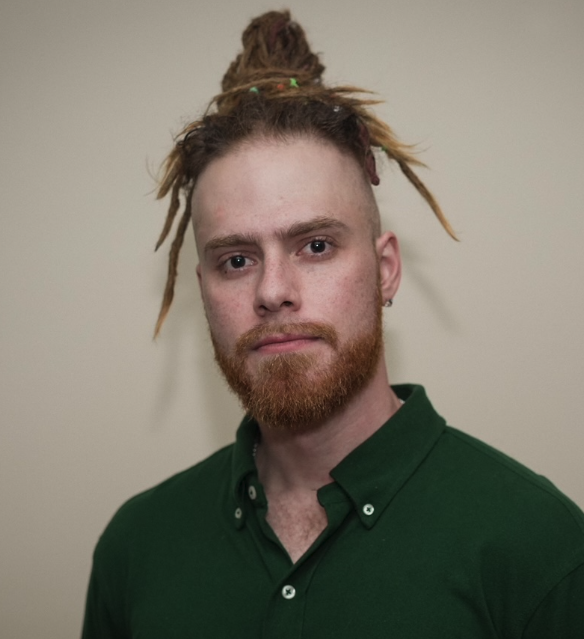
Leukaemia Foundation general manager of Blood Cancer Partnerships Tim Murphy told National Indigenous Times that it is possible to observe cancer diagnosis in First Nations people rising as a consequence of other chronic diseases being better managed.
Mr Murphy noted that blood cancer within First Nations communities has many unknowns which make preventative measures difficult to implement without collecting data and doing the research first.
"The challenges we have as a commmunity is understanding the signs and symptoms of blood cancer across all communities and especially our First Nations communities," he said.
"The symptoms for everyone can mask a whole range of diseases such as soreness of bones, a sore back, bruising or weight loss - they could mean a whole range of things, and the malfunction that creates a cancer can occur at any stage of life."
Mr Murphy said the Leukaemia Foundation will implement a number of programs including an initial epidemiological study which can be used to form a basis of understanding through data and statistics.
"It's kind of ironic that in 2022 we dont know a hell of a lot about blood cancer in First Nations people," he said.
"It's scary. So we're putting aside nearly $800,00 to do a study that looks at the cancer registries and the incidents rates to help guide the statisticians and public health palnners to understand the true natures of blood cancers right across the country in First Nations people."
The Foundation has also put in place a Reconciliation Action Plan, aiming to provide a culturally sensitive and appropriate experience for First Nations people.
"We are changing the way we serve and assist people when they come and stay with us," Mr Murphy said.
"We are producing blood cancer material in langauge and producing it in a way that can be distrubted through the Indigneous Liason offices and hospital network.
"If we dont collectively confront our shared histroy - who are we as a people?"
Leukaemia Foundation chief executive Chris Tanti said in addition to treatment pathways, access to personalised supportive care and information is critical for all Australians impacted by blood cancer, particularly currently under-served populations like First Nations Australians.
"Many First Nations Australians face barriers to accessing treatment and support," he said.
"By breaking down these barriers and offering personalised supportive care and information at no cost, we know that we can help them not only survive their blood cancer but thrive."
Blood cancer survivor, Darug woman Kirsty Everett, said she's relieved and thankful that free personalised support is now available for every Australian impacted by blood cancer, something that didn't exist when she was first diagnosed 30 years ago.
"When I was first diagnosed at nine years old nothing but the sheer grit and resilience of my family and friends helped me survive the blood cancer monster," she said.
"My father had to continue to work to support our family, my mother had to take me to appointments while caring for my brothers and sister. By the time I was 18 I was doing my best to complete high school, not die and not be a burden to anyone.
"There was no support available to me or my family to help navigate diagnosis, treatment and relapse. I'm so pleased that 30 years on free support for anyone impacted by blood cancer is literally just a phone call away."
Mr Murphy strongly urged First Nations people regardless of age, gender or health status to get in touch with the support line on 1800 620 420 or via bloodcancer.org.au.



