



One conversation can make a big difference in someone's life, Aboriginal mental health and crisis hotline workforce say, while alarmingly, mental health indicators continue to go backwards.
September 10th in World Suicide Prevention Day. Earlier this year, the Productivity Commission's annual Closing the Gap report stated suicide rates are increasing.
National youth mental health foundation Headspace has seen their own increase in the number of Aboriginal and Torres Strait Islander people engaging with their services, reaching over 11,000 Indigenous young people in the last financial year.
More than two thirds of those young people completed an episode of care, says Headspace head of operations, First Nations Cultural Practice and Muthi Muthi Gunditjmar woman Jacara Egan.
Being able to deliver a service to those reaching out for it is critically important, while the reality of social and emotional wellbeing snapshots is a "massive" concern, she told National Indigenous Times.
In some settings, like Broome, Mparntwe/Alice Springs and Mt Isa, Headspace centres are Aboriginal and Community-Controlled Health Organisation-led.
Outreach is delivered in more remote settings around the country, as well as their centres operating in urban areas.
In their First Nations division, everything they do is done to reduce "tragic events and losses within our communities" aligned with the National Agreement on Closing the Gap, with First Nations Youth Advisory Council and First Nations Cultural Governance Committee leadership, Ms Egan explained.
She added it's an effort to make sure Indigenous young people feel seen and relies on a holistic approach to what health is - "which means culture is very much embedded as a protective factor, as well as community and kinship".
"We can't support a young person if we're not including family and community for that young person," Ms Egan said.
"We try and create national consistency with the opportunity for communities to be responsive to the needs of their communities."
Localised and Indigenous-led solutions are key to addressing the issue. That's the perspective of 13 YARN co-designer and Head of Indigenous Affairs Aunty Marjorie Anderson.
In 2023 the age-standardised rate of death by suicide for Indigenous Australians was over twice as high compared to non-Indigenous Australians (2.9 times for Indigenous males and 2.6 time for Indigenous females).
Between 2019 and 2023, suicide was the cause of one in five deaths of First Nations people up to the age of 44 years.
From 2015-2019 injury and poisoning - including self-harm and suicide, was the third-leading cause of death of Indigenous people in NSW, Queensland, WA, SA and the Northern Territory.
Intentional self-harm (including suicide) accounted for 38 per cent of all deaths categorised within injury and poisoning.
First Nations people getting to "the end of their tether"
Speaking to National Indigenous Times, Aunty Marjorie, from 13 YARN, said the service has received a spike in calls in recent days.
She feels it's linked to the attack on Camp Soverignty in Melbourne, and other emotionally exhausting events, including deaths in custody, happening around the country.
Aunty Marjorie agreed the effects of 'Blak burnout' are being seen.
"I think Aboriginal people are getting to the end of their tether," she said, adding their calls daily have jumped to the mid-70s per day to nearing 100.
On Monday, 13 YARN received 110 calls, she said.
Housing, education, access to quality health services, intergenerational traumas and social determiniants are all areas to address to reduce the rates of people taking their own lives.
It's also best done by communities coming up with their own solutions to tackle the problems they're seeing and suffering, Aunty Marjorie added.
"You just can't treat suicide prevention in isolation."
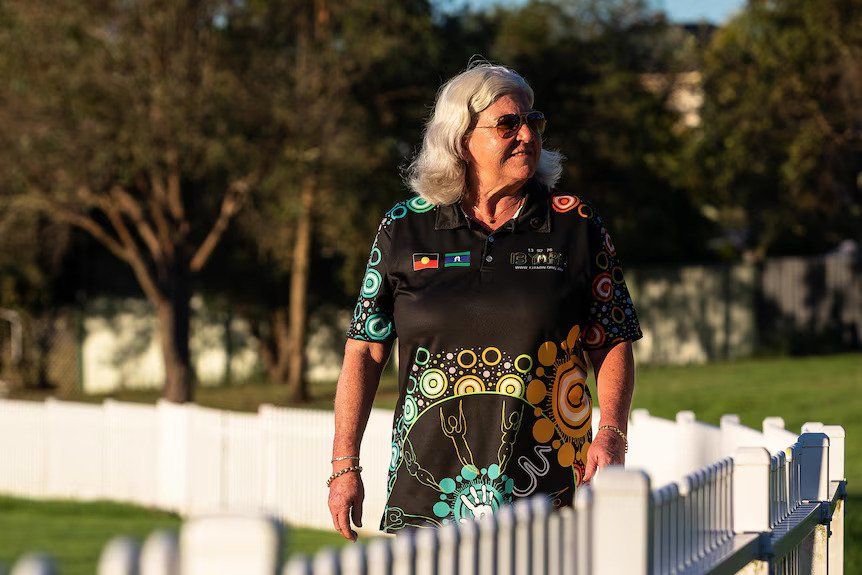
13 YARN is a service which makes the case for Indigenous-led solutions, she feels, saying the numbers of people calling show just how vital it is.
"It's absolutely vital that there is a culturally safe space that's got no judgment and no shame," Aunty Marjorie said.
"What 13 YARN are trying to promote in the community is talking about mental health is the same as talking about any other health issue.
"If you break your arm, there's no shame in talking about a broken arm. If you've got a mental health issue, there should be no shame in talking about that either."
It's also up to older generations to show vulnerability, so young people can do the same and empower the strength and resilience of Indigenous people," she told National Indigenous Times.
In a lot of cases, whether it's getting a diagnosis or accessing acute services more generally, getting help can be difficult, Aunty Marjorie said.
"13 YARN is like a front door for people. When help seekers ring us up, and they tell us their yarn, we can refer them to a service that's culturally safe and that will help them."
The crisis call line is looking to set up a text service, with the hope it better aligns with the needs of young people.
She wants people to get in touch when they notice the first signs something doesn't feel right, not once they've reached a crisis point.
"You're best placed to look out for the people in your world"
R U OK? Day, an initiative encouraging people to spark simple, but possibly life-changing, conversations with those around them falls on the second Thursday of each September.
Ahead of Thursday, falling a day after World Suicide Prevention Day, the public health promotion organisation's First Nations campaign lead told National Indigenous Times while stigma and taboo exists, these chats can be hugely important.
Pitjantjatjara, Yankunytjatjara and Pertame man Steven Satour is R U OK? campaign and community engagement manager and head's the Stronger Together campaign.
Feedback from Indigenous communities saying while the organisation's message resonated, they didn't see themselves reflected within it led to Stronger Together's birth in 2019 - with resources available online to help mob have important conversations with one another, Mr Satour told National Indigenous Times.
They're not always easy talks to have.
"And that's why we try to gear these resources around building people's confidence (to have the conversation with someone)," he said.
"That's why we really talk about making it a day-to-day practice, trusting that when you know something might be a little bit off for someone, or you know something's just happened, really making sure that you get in there in the first instance and have that yarn.
"If they do need that extra support, because you don't have to be an expert to have this conversation, and be able to access those services, but you can still be there to support."
He said the message is about stopping small things becoming bigger.
In remote areas and when other aspects make services difficult to access, sometimes people need to rely on one another, Mr Satour said.
"This is about community and mob looking out for mob," he said.
"It's a really simple conversation, and you're best placed to look out for the people in your world.
"Trust your gut, and ask the question if you do feel something is a bit off.
"The time it takes to have that conversation, it could make a really, really big difference to that person."



