




The remote Aboriginal community of Scotdesco on South Australia's far west coast has received a major boost to its long-term water security, with the completion of a federally funded project designed to ensure access to safe and reliable drinking water.
The Federal Government announced the completion of the $650,000 Scotdesco Water Security Project, delivering four new 0.5-megalitre water tanks that increase the community's storage capacity by 30 per cent.
The project follows earlier works that included the installation of new household rainwater tanks and guttering, upgrades to maximise water harvesting, and ultraviolet treatment infrastructure to ensure drinking water is safe.
Federal Minister for Indigenous Australians Malarndirri McCarthy said reliable access to drinking water should not depend on where Australians live.
"Every Australian deserves access to clean and safe drinking water, yet for some of our most remote communities this basic essential is out of reach," she said.
"These new storage tanks will help secure Scotdesco's water security for years to come. I commend the Scotdesco community for its advocacy, backed by my colleague Senator Smith."
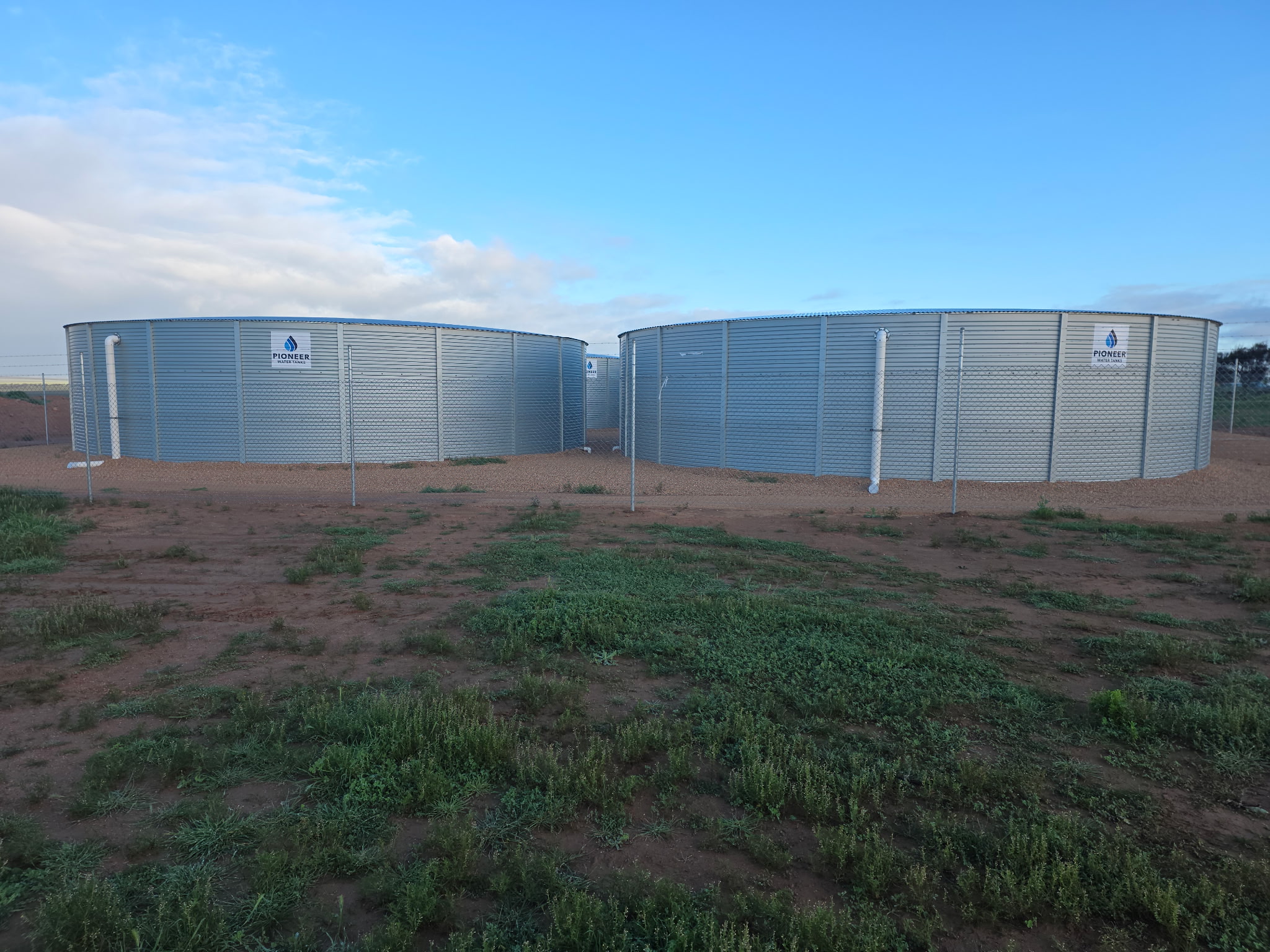
Scotdesco, which is not connected to a mains water network, has historically relied on rainwater collected in the community's catchment dam.
Droughts have regularly impacted the town, which often gets less than 300mm of rainfall a year.
Scotdesco Aboriginal Corporation chief executive Robert Larking said the completed project would provide long-term certainty for the community and unlock future development opportunities.
"Community now has a long-term sustainable water supply; these additional infrastructure works have resulted in a significant increase in our original water storage capacity.
"For the first time in many years, community is investigating opportunities to increase housing options now there is sufficient water capacity."
In a 2024 report, Closing the Water Gap — Water, Sanitation and Hygiene for Aboriginal and Torres Strait Islander Communities, University of Sydney's Professor Stuart Khan said "water quality issues are long-term, persistent and, in some cases, getting worse in remote communities".
The professor also noted there is evidence remote communities deal with mineral and chemical contaminations from sodium, uranium, fluoride, arsenic, and nitrate that exceed safe thresholds set by the Australian Drinking Water Guidelines.
South Australian Senator Marielle Smith said the project addressed an issue that had affected the community for years.
"Access to safe and clean water is something no South Australian should ever go without. But in 2019, that is exactly what the community of Scotdesco faced. It must never happen again," she said.
"The community of Scotdesco will now have access to a safe and reliable water source that is sustainable into the future."



