


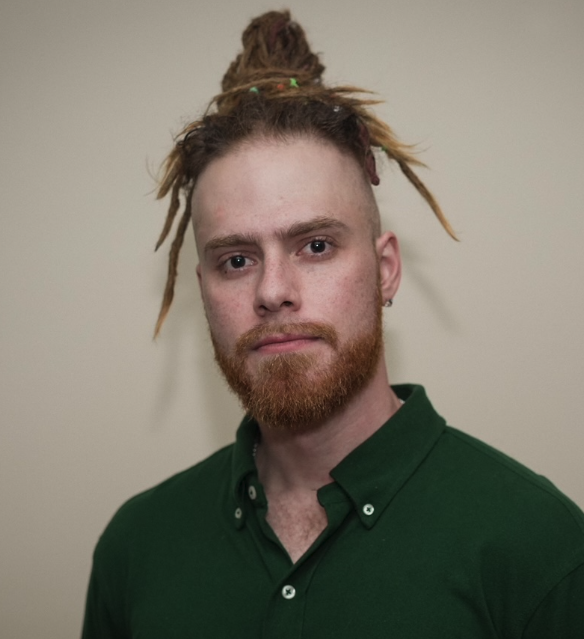

Proud Gubbi Gubbi and Dharumbal man, Adrian Malone, a Cultural Support Lead at Anglicare Southern Queensland, focuses on children, youth, and families.
Mr Malone serves as a Cultural Practice Lead within the organisation's Children, Youth, and Families service division.
Originally getting his start in Youth Justice, he has shifted through a number of social and community departments where he has found a place delivering his style of cultural care with the community.
He emphasises the significance of maintaining cultural connections for young people in out-of-home care, stating that it ensures the preservation of cultural heritage and fosters the development of future storytellers and knowledge holders.
"The importance of keeping young people connected to culture is very significant for keeping our culture alive," he said.
"We need young people to become our story tellers and knowledge holders for many generations, moving forward."
Mr Malone underscores the depth of cultural journeys for young people, noting that while support is essential, individuals ultimately undertake their cultural exploration at their own pace and with appropriate guidance from mentors and Elders.
"I do a cultural journey training, it's really about out going back to that education and truth telling but delivering it in a way that they can interact better so we're not just sitting there with powerpoints but delivering it in our own style and our own way," he said.
He highlighted the role of knowledgeable mentors in assisting individuals in unlocking their cultural identity and embarking on their unique cultural journeys.
"Cultural journeys can be such an in-depth process," he said.
"You can help support young people but it's up to them to continue with their journey and learnings.
"When young people are ready to engage with their culture, they will do it with the right mentors and Elders."
Regarding the benefits of cultural connection, Mr Malone emphasised its positive impact on emotional, spiritual, and social well-being.
"I have worked with people ranging from five to 50 trying to connect with their Aboriginal practices, not realising that the knowledge is passed down," he said.
"It's about getting the right knowledge holders to help unlock or connect the pieces to create your own cultural journey."
Reconnecting or connecting young people with their cultural practices aids in healing, grieving, and amplifying the strengths within Indigenous communities, he said.
Mr Malone noted the importance of on collaborative efforts to support young people in care to connect with their culture; centering the young person in the process, fostering family and community connections, and advocating for their best interests are vital steps. Collaboration with Child Safety, Community Controlled Organisations, and other stakeholders is also crucial in providing comprehensive support, he said.



