




Note: this report contains the names of people who have died.
The National Commissioner for Aboriginal and Torres Strait Islander Children and Young People, Sue-Anne Hunter, released the Terms of Reference for the Review of the Regional Child Protection System in the Pilbara on Friday.
The independent targeted Review will examine whether Aboriginal and Torres Strait Islander children and families in the Pilbara receive timely, coordinated support - and whether child protection, health, education, housing, police, justice and other services are meeting their responsibilities to uphold children's rights.
National Commissioner Hunter said the Western Australian Government must make immediate improvements that impact the daily lives of children and young people, rather than providing short-term solutions to band-aid reported problems.
"Governments must be held accountable for delivering material improvements in the lives of Aboriginal and Torres Strait Islander children and families, not simply the level of activity they report," said National Commissioner Hunter.
"Children's rights must be reflected in their everyday lives - in their safety, the conditions they need to grow and develop, their connections to family and culture, and their influence over decisions that affect them."
The Review follows concerns raised by Pilbara Elders, families, community members, leaders, experts and organisations, and the National Commissioner's visit to the region.
The Pilbara town of Port Hedland has been the site of two cases that have sparked widespread public outcry.
In 2022 three Indigenous children, Jamelia Hawke (10), Arnda (seven) and Kelvin (four months), were killed by their mother. Their grandmother, Yamatji-Wajarri woman Dorothy Papertalk, is fighting for an inquest to examine why her multiple warnings to authorities did not lead to the removal of the children for their safety.
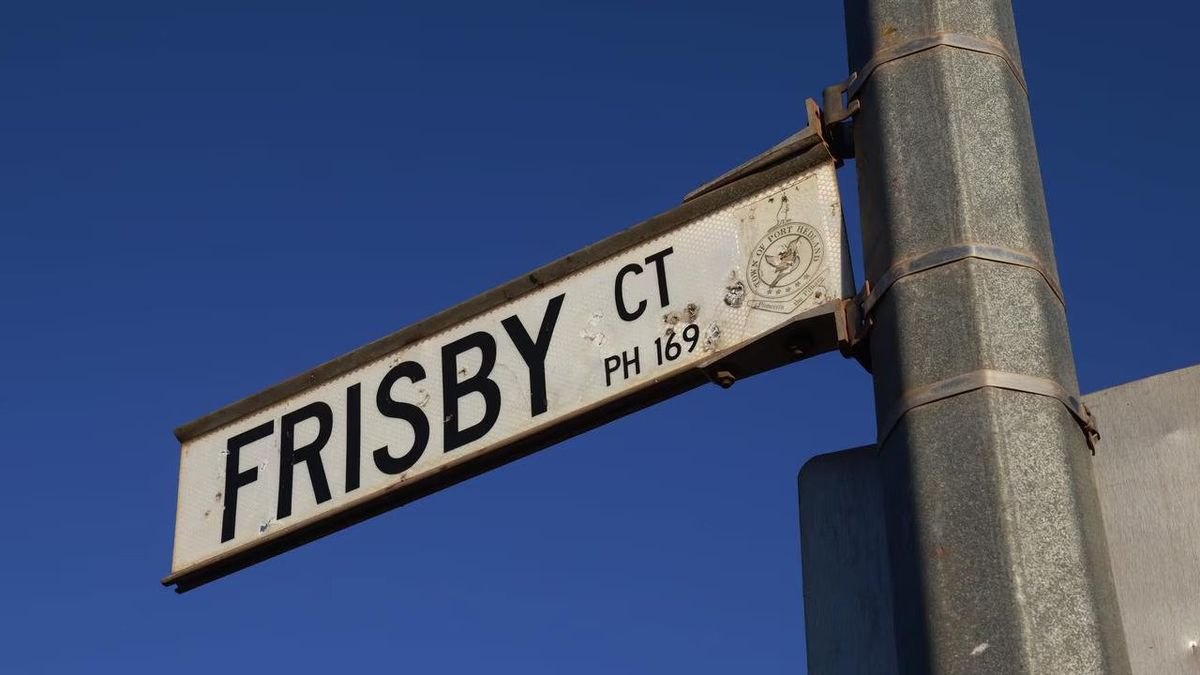
In September this year, The Australian reported on a state government-owned home on Frisby Court in South Hedland (part of Port Hedland) at which allegedly up to 15 children, including the children of the tenants, were being left in poor conditions unsupervised for days at a time. Authorities had received complaints about the home for several months.
In the wake of the Frisby Court reports, Commissioner Hunter visited the Pilbara to speak with Elders and other Indigenous community leaders, before holding a conference with Aboriginal child protection experts in Boorloo / Perth. This meeting issued a call for the appointment of a dedicated commissioner for Indigenous children in Western Australia, and the establishment of a WA peak representative body for Aboriginal children and families.
View this post on Instagram
A post shared by National Indigenous Times (@natindigtimes)
The Review of the Regional Child Protection System in the Pilbara will "examine how agencies respond to children and families, whether they work together effectively, and what actions would improve those responses".
Commissioner Hunter said while the focus is the Pilbara, the Review "will address a question that matters nationally: how government agencies turn their separate responsibilities into a coordinated response for children and families".
"Understanding what enables that, and what gets in the way, can inform change elsewhere," she said.
"What is clear is that the voices of communities and the experiences of those directly impacted are imperative to the Review to understand the failings, what changes are needed, and importantly, what is working and needs to be continued."
Commissioner Hunter said children and families should not have to reach crisis point before governments meet their responsibilities.
"Respecting and protecting children's rights means preventing harm and acting early. That is what prevention and early intervention must deliver," she said.
The Review will consider how laws, policies, practice, funding, workforce and coordination arrangements uphold children's rights, including through timely, culturally safe support. It will also consider whether data identify unmet needs and track outcomes, and whether oversight arrangements are optimal for driving improvements for children and families.
The scope includes implementation of all five elements of the Aboriginal and Torres Strait Islander Child Placement Principle to the standard of active efforts, Aboriginal authority in decisions affecting children, and whether children's views are heard and taken seriously.
Commissioner Hunter acknowledged the important work of Western Australia's Commissioner for Children and Young People and the leadership of Elders and community leaders in the region.
"This Review will build on the knowledge and work of those who have long advocated for Aboriginal and Torres Strait Islander children and families. The authority and leadership of Elders, families and communities must contribute to shaping the response," she said.
The experiences and views of children, families and communities will inform the findings and recommendations.
The Review will be conducted under section subsection 17(1) and paragraph 17(2)(a) of the National Commission for Aboriginal and Torres Strait Islander Children and Young People Act 2026.
"I will conduct this Review independently. Its findings and recommendations will be my own," said Commissioner Hunter.
The Commissioner said the Review will focus on systemic issues. It will not investigate individual decisions, complaints, workers or families, and will be conducted without prejudicing ongoing investigations or proceedings.
Public submissions will open in the coming weeks.
Guidelines for public submission - information on preparing and lodging a submission, privacy, consent and available support - will be released alongside the opening date.
The National Commissioner will publish the Review's findings and recommendations, including priority actions for improvement.
13 YARN - 13 92 76
Lifeline - 13 11 14
Kids Helpline - 1800 55 1800



