



Aboriginal and Torres Strait Islander readers are advised the following article contains the name of an Indigenous person who has died.
Dr Naomi Mayers is being remembered as a trailblazer and visionary who dedicated her life to improving the health and wellbeing of Aboriginal people after her passing over the Easter weekend.
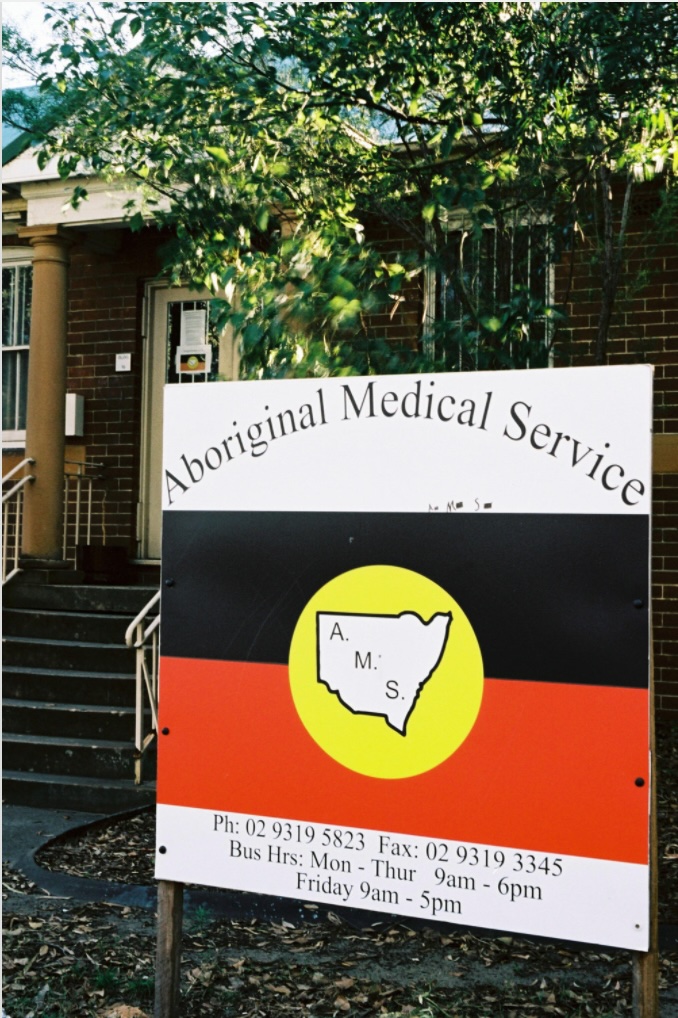
Much loved 'Aunty Nay' drew from a background in nursing to be a critical piece of the Aboriginal Medical Service's (AMS) founding in Redfern in 1971, and later leading other national Indigenous health bodies as well as time as a singer with The Sapphires.
Aboriginal Community-Controlled Health Services, peak bodies and community have paid their tributes to a critical figure in the beginnings of organisations continuing her legacy.
Her passing was followed soon after by the loss of fellow trailblazer and staunch figure in Aboriginal rights and outcomes, Aunty Ann Weldon.
Aunty Nay was born at Erambie Mission at Cowra in 1941. She went on to work with the Aboriginal Advancement League in Melbourne before "visionary" work helping establish AMS Redfern — the first Aboriginal Community Controlled Health Service in the country, as written by the organisation in their tribute.
She served as its first administrator, and more recently chief executive, retiring in 2017.
"We have lost a fearless Yorta Yorta and Wiradjuri woman, who dedicated her life to improving the health and wellbeing of Aboriginal people," AMS wrote.
The health service also credited Aunty Nay's influential work in the beginnings of the Aboriginal Children's Service and Aboriginal Housing Company, as a board member of the Aboriginal Legal Service and as a representative with ATSIC.
"Over 45 years, she guided the transformation of AMS Redfern, from a small shop-front medical clinic - underpinned by the principles of self-determination - into a model of care that has been instrumental in improving health outcomes for Aboriginal communities throughout Australia," AMS wrote at the weekend.
"When communities needed help, they called Naomi, who would organise an AMS Redfern team to provide whatever support and resources they could gather - that would help the local community to establish their own local health service - often Naomi was part of the team."
However Aunty Nay's commitment to improving the health of First Nations people extended further.
She played important roles in the establishment of National Aboriginal and Islander Health Organisation, now NACCHO, as a founding member, Aboriginal Health and Medical Research Council of NSW, groundbreaking inner-Sydney childcare group Murawina and with parliamentary standing committees.
"She was part of a generation who stood strong during times many of us now only read about, helping lay the foundations for places like the Aboriginal Housing Company," Aboriginal Housing Company wrote.
"She always stayed connected, reaching out to understand what was happening on the ground and offering her support. From advocacy to the hands-on work behind early projects like Murawina, her contribution helped create opportunities that many still benefit from today."
Aunty Nay's legacy is also stamped into Australia's music history.
Alongside Beverley Briggs and Laurel Robinson, she was an original member of the iconic Aboriginal singing group The Sapphires.
At a time when Indigenous performers faced barriers and had a smaller presence in Australia's popular music scene compared to today, the group rose to fame, stamping their mark from their beginnings out of Cummeragunja Mission.
The Sapphires story was later documented in the 2021 film of the same name, based on Ms Briggs' son Tony's stageplay.
Commitment to protesting against the Vietnam War stopped Aunty Nay from travelling with the group to the south-east Asian Country to perform during the conflict.
In 1984, Aunty Nay was recognised for her work being awarded a Medal of the Order of Australia.
In 2023, she was bestowed with the National NAIDOC Lifetime Achievement Award.
NSW Minister for Aboriginal Affairs and Treaty David Harris said, alongside Ann Weldon, the pair were "pioneers who dedicated their lives to uplifting and empowering the Aboriginal community" with a legacy which will continue for future generations.
AMS acknowledged Aunty Nay's leadership in "enduring reforms" in Aboriginal and Torres Strait Islander health.
"Aunty Nay was a trailblazer in health and a visionary and activist long before the closing the gap policy," they added.
"One of her legacies will be self determination and community control which she never deviated from as she continued to support many Aboriginal communities across Australia."
Aunty Dr. Naomi Mayers OAM was 84.



