




The Victorian Aboriginal Community Controlled Health Organisation (VACCHO) has called on the Victorian government to deliver on its commitment to put the health of Indigenous Victorians in the hands of Aboriginal people.
In its 2024-25 budget submission, VACCHO acknowledged the financial situation in Victoria - which will see net debt reach $177.8 billion by 2026-27, according to The Age - by calling for funding and support of four projects that "respond to critical need and require funding to immediately deliver benefits to the Victorian Aboriginal community".
"This budget submission collectively asks for $54,504,000 over four years to further the government's commitment to self-determination and enhancing the delivery of health and wellbeing from Aboriginal Community Controlled Health Organisations (ACCHOs)," a part of the submission reads.
The four projects mentioned in the budget submission are:
The Dandenong and District Aborigines Co-operative Ltd (DDACL), which would see a new land purchase, business case development and transition support, as well as the replacement of dilapidated facilities.
The Implementation of marra ngarrgoo, marra goorri: the Victorian Aboriginal Health, Medical and Wellbeing Research Accord, which would offer support to researchers and organisations to improve their practices and help enable ethical and self-determined Aboriginal and Torres Strait Islander research in Victoria.
Removing systemic barriers to better the health and wellbeing of Aboriginal Victorians, part of 11 actions from the cabinet-endorsed Victorian Aboriginal Health and Wellbeing Partnership Agreement Action Plan 2023-2025.
A Culture and Kinship state-wide rollout, which aims to reduce the burden on acute tertiary health services.
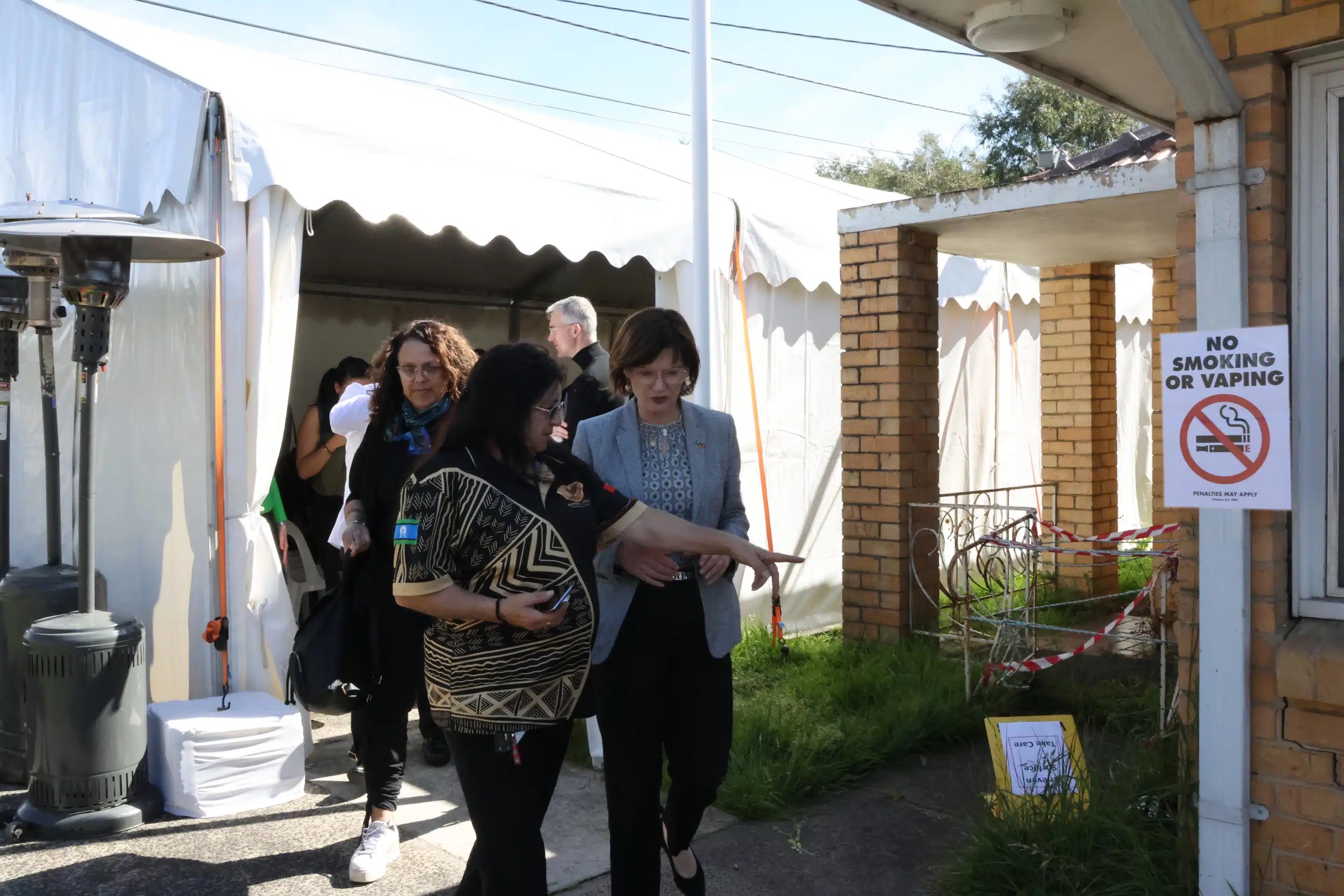
The biggest portion of funding is for the DDACL, estimated to require $24 million over two years.
It's been deemed "critical," with the submission stating: "The current and project growth of the local Aboriginal population that currently require self-determined physical, social, emotional, cultural and spiritual wellbeing services of DDACL already outstrips what the rundown, small facilities can provide".
The Dandenong region saw a 161 per cent increase in the Aboriginal and Torres Strait Islander population between 2006 and 2021, and is expected to rise by a further 80 per cent in the next 12 years.
"Without this investment now, a larger economic cost will be felt by Government when Community end up requiring tertiary services, including health, family, early childhood and justice services, that could be prevented by an important strong preventative cultural health and wellbeing strategy delivered by DDACL," the submission states.
VACCHO chief executive and Gunditjmara woman, Jill Gallagher, said the budget submission was about empowering ACCHO's to close the gap in health and wellbeing outcomes, along with strengthening the Aboriginal health sector.
"In recent years, ACCHOs across Victoria have shown unwavering dedication to enhancing not only physical health but also cultural and emotional wellbeing in the midst of bushfires, floods, and a global pandemic," Aunty Jill said.
"VACCHO's 2024-25 budget submission calls on the Victorian government to further its commitment to self-determination and champion 65,000-plus years of Aboriginal ways of knowing, being, and doing by assisting ACCHOs to expand their services to meet the health and wellbeing requirements of a growing Aboriginal population."
She said the submission contained measures that would seek to "remove barriers, strengthen foundations, and prioritise Aboriginal knowledge and innovation" whilst also boosting the capacity of ACCHOs throughout the state.
The 2023-2024 state budget saw the then Andrews government commit $35 million to 25 ACCHOs across Victoria, which would, along with giving additional health care to Indigenous Victorians, also allow the state to meet its commitment under the National Agreement on Closing the Gap.
First Nations groups have long argued for self-determination and being placed in charge of issues that impact Aboriginal people due to Indigenous Australians heavily predisposed to a variety of metrics disproportionate to the non-Indigenous population.
Aunty Jill said the submission would ultimately allow ACCHOs to be provided with the tools they require to support "vibrant, healthy, self-determining communities".
"Supporting ACCHOs to do what they do best alleviates the demand on the already overstretched health system," she said.
"There are also broader impacts to the other systems – education, justice, child protection, youth services and family and social services – with flow on impacts to the wider Victorian economy."



