




Leaders in Western Australia are urging the state government to act on Coroner Philip Urquhart's call to immediately close the notorious Unit 18, following the release of his findings into the death of Cleveland Dodd.
Cleveland, a 16-year-old Yamatji boy, died in 2023 after a self-harm incident inside Unit 18 — the youth detention facility located within Perth's maximum-security Casuarina Prison. After a week on life support, he became Western Australia's first recorded death in youth detention.
Delivering his findings on Monday, Mr Urquhart said Unit 18 had been an unsafe environment at the time of Cleveland's death and should be shut down despite subsequent safety improvements.
Cleveland had been isolated in his cell for more than 22 hours a day on 74 of his 86 days at the facility — confinement the coroner described as "deeply disturbing" and "inhumane," with conditions "reminiscent of 19th-century jails".
The teenager, who entered detention at age 12 and was later diagnosed with major depressive disorder, would have felt "despair and despondency," Mr Urquhart said.
Cleveland's mother, Nadene Dodd, said the pain she felt on Monday "is as intense as it was when I heard that Cleveland had taken his own life."
"I believe that Cleveland's death was the product of institutional abuse and neglect, and it breaks my heart to know that Cleveland spent 23 hours a day, or more, for days on end, locked down in a filthy cell with no end in sight," she said.
By the early hours of October 12, 2023, she said, after being denied bail and repeatedly telling staff he intended to take his life — only to be told not to speak that way — her son was in "unbearable physical and psychological pain," unable to have even his basic needs met, including requests for water.
"I can understand why my son lost hope and the will to live," she said.
On Monday, National Indigenous Times revealed Ms Dodd would soon meet with WA Premier Roger Cook to discuss her son and the youth justice system.
The inquest detailed severe staff shortages, failures to follow policy and chaotic operations that created "inhumane" conditions. Cells lacked running water and, in some cases, smelled of urine, faeces and sweat.
.jpg)
In a joint statement released shortly after the findings, 21 WA leaders urged the government to act immediately, describing Cleveland's death as a "predictable, avoidable, and completely unacceptable tragedy."
"The findings make clear what advocates, experts and communities have warned for years — that WA's youth justice system is failing, and that keeping children in adult prison puts their lives at risk," they said.
"There is now no excuse for inaction. Minister [Paul] Papalia, Premier [Roger] Cook, and the WA Labor Government can choose to act now to ensure no other child dies in state custody."
Mr Urquhart noted Cleveland's death "was not only predictable, but had been predicted" by numerous experts, including the Aboriginal Legal Service WA (ALSWA), Professor Fiona Stanley and Children's Court President Hylton Quail.
Twice in the year before Cleveland died, the Supreme Court found the WA government had unlawfully subjected children at Unit 18 and Banksia Hill to solitary confinement.
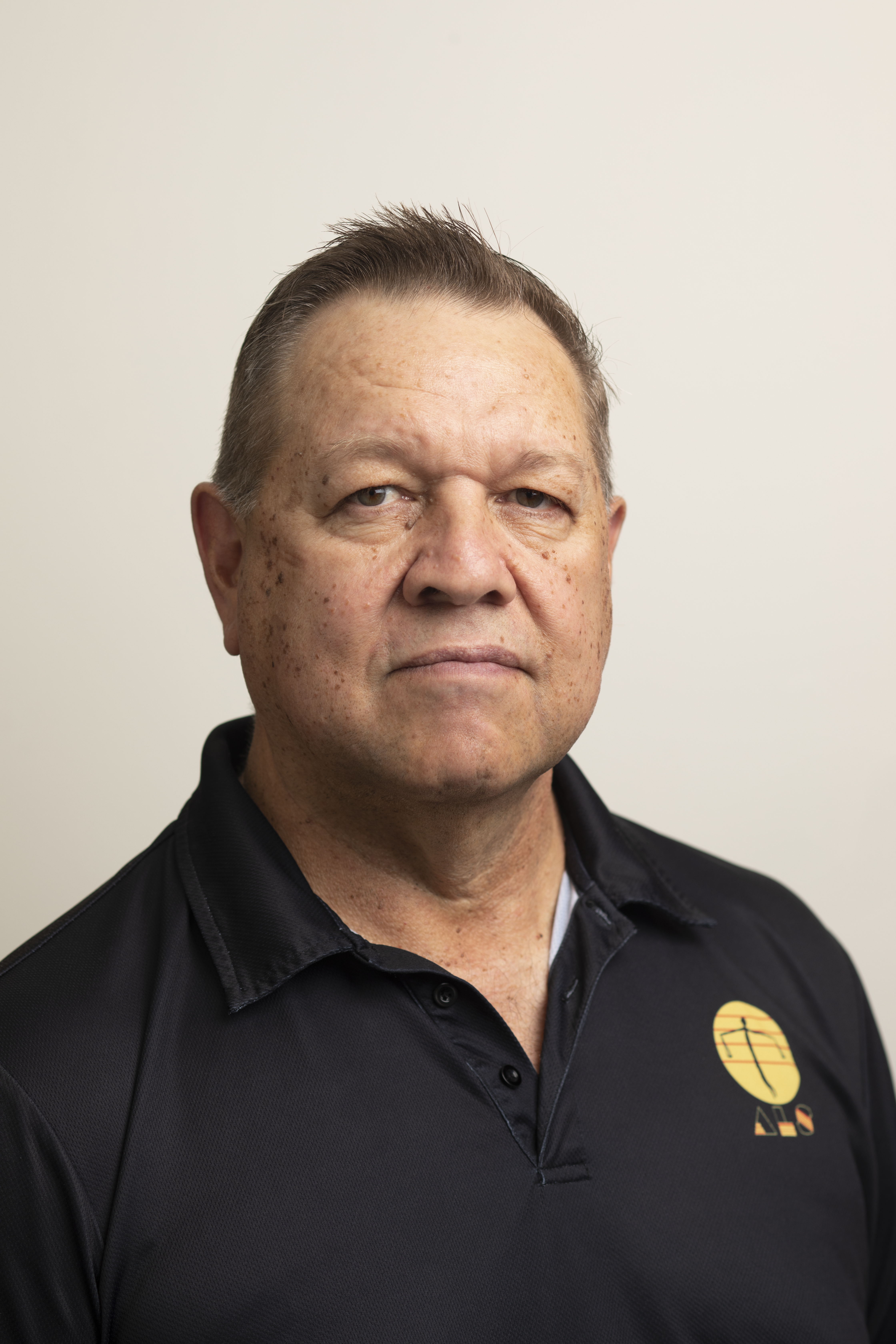
ALSWA chief executive Wayne Nannup said Cleveland's death "should never have happened" and labelled it a "profound failure of this government".
"No child should ever be treated the way Cleveland was treated," he said. "It would be a betrayal to Cleveland's memory for the Coroner's recommendations to sit on a shelf gathering dust."
Mr Nannup urged the findings to be a "turning point and an impetus for meaningful and systemic change," saying the "status quo... cannot continue".
"It might get votes, but will never shift the dial," he said.
Elder Uncle Ben Cuimara Taylor, 86, said he was exhausted by the number of Indigenous deaths in custody.
"We want, as the coroner said, for them to close Unit 18. Mr Papalia keeps putting it off, but until it's closed there will continue to be deaths of our young people in custody," he said. "When we kill the spirit they have nothing to live for. As an elder. We have to close Unit 18 immediately."
On Monday, Mr Urquhart called the inquest the "saddest I have presided over" and said no child should ever be held in the conditions Cleveland experienced.
"It is difficult to comprehend the despair and despondency Cleveland would have felt living in these appalling conditions," he said. Among his 33 recommendations, Mr Urquhart called for the closure Unit 18 "as a matter of urgency," arguing it is not suited to handling the needs to some of the state's most vulnerable children.
Pete Muarry, CEO of the Kimberley Aboriginal Law and Culture Centre (KALACC), said placing children in an adult facility was always a "red flag" and that KALACC would work with communities to create "alternative pathways for young people instead of sending them to prison".
National Commissioner for Indigenous Children, Sue-Anne Hunter, said the findings were clear: "Institutional abuse, cruel and degrading treatment, and a facility described as a 'war zone' by the very people who ran it."
"As National Commissioner, my position is clear. No child should ever be held in an adult prison," she said. Commissioner Hunter warned recommendations without action "are just words," adding that too many reports "gather dust while our children suffer".
The WA government has maintained that Unit 18 cannot be closed until a replacement facility is built and says conditions have improved since Cleveland's death.
"The equipment provided to our personnel, the interventions, the external supports, the practices and policy are all significantly changed and improved since that time," Mr Papalia said on Monday.
The Coroner made 15 adverse findings against the Department of Justice and issued 19 recommendations.
The 21 leaders called for the immediate implementation of all recommendations, major investment in alternatives to detention, and full accountability and justice for Cleveland's family — including apology and compensation.
"Western Australia must build a youth justice system that rehabilitates, prevents harm, and protects children and communities," they said. "Cleveland Dodd should still be alive. This must never occur again."
13YARN 13 92 76
Lifeline 13 11 14



