


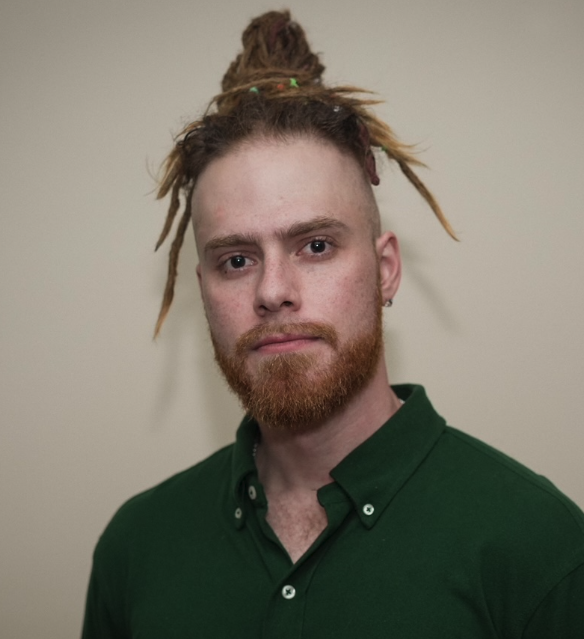

The "Building Young First Nations Futures" breakout session at the National RAP Conference 2024 this week showcased innovative approaches to supporting Aboriginal and Torres Strait Islander youth in their educational and professional journeys.
The session, moderated by Savannah Roberts, featured Quandamooka man Chris Matthews, TAFE Queensland's Leanne Bell, and Veolia's Anja Bonnard, who shared insights on empowering First Nations youth through education, mentorship, and employment pathways.
Quandamooka man Chris Matthews, chief executive of the Aboriginal and Torres Strait Islander Mathematics Alliance (ATSIMA), shared his insights on improving mathematics education for Indigenous students through culturally relevant methods.
Mr Matthews introduced the Goompi Model, a teaching framework he developed to connect mathematics with Indigenous cultural knowledge.
"What I set out to do is look at the connection between culture and mathematics," Mr Matthews said.
"I developed a thing called the Goompi Model."
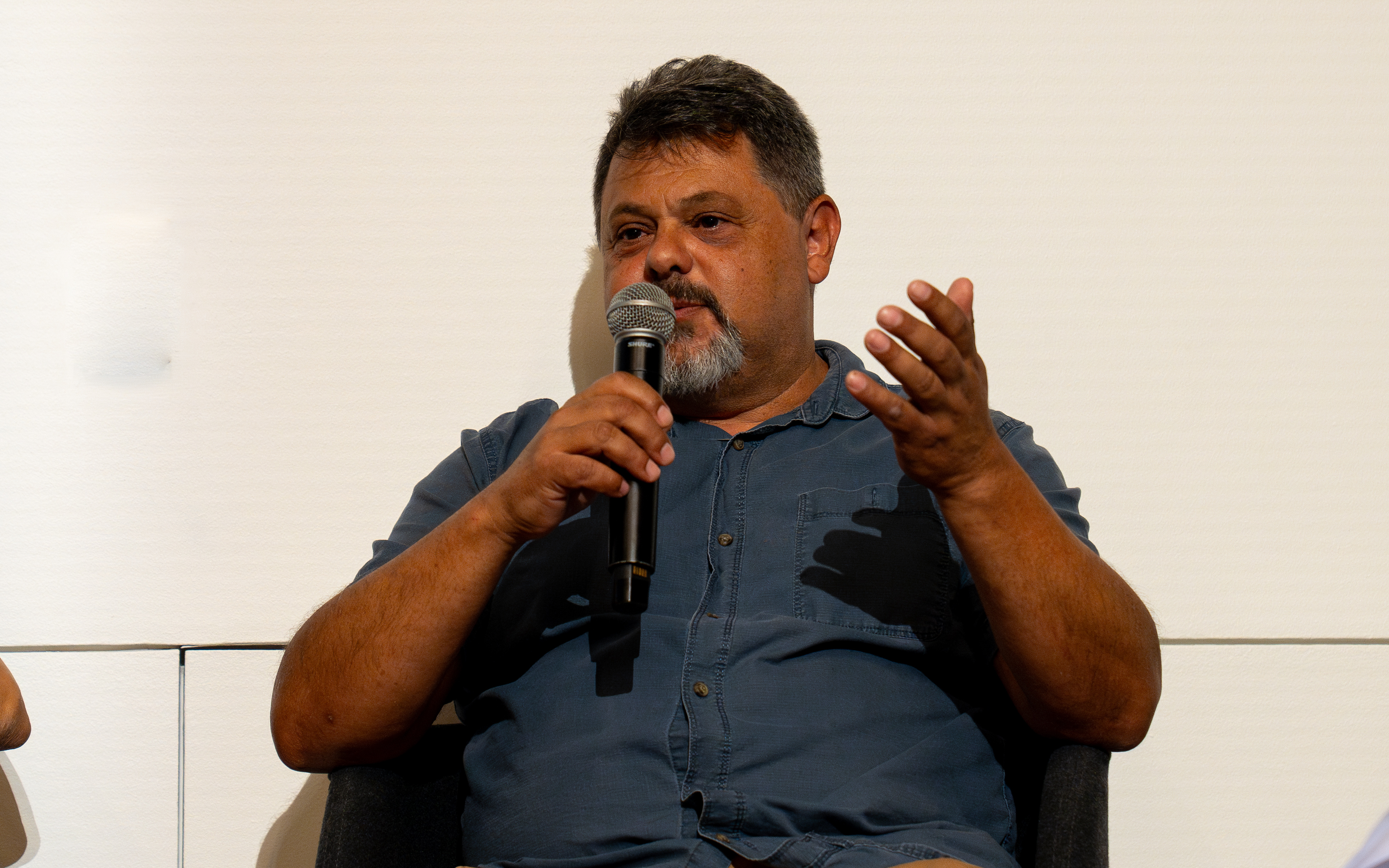
The model focuses on how cultural understanding can enrich mathematics education, making it more relevant and engaging for Indigenous students.
"It's about how culture is connected to this body of knowledge," he explained.
"Once you see the connection, it reveals one of the better ways of teaching mathematics to students."
This approach not only fosters academic success but also strengthens students' cultural identity.
Mr Matthews emphasised the importance of engaging more Indigenous educators to sustain such initiatives.
"We need to see more investment in Aboriginal people who are experts in subject areas," he said.
"Once we do that, I think we'll see quite a quick change in the way that kids engage."
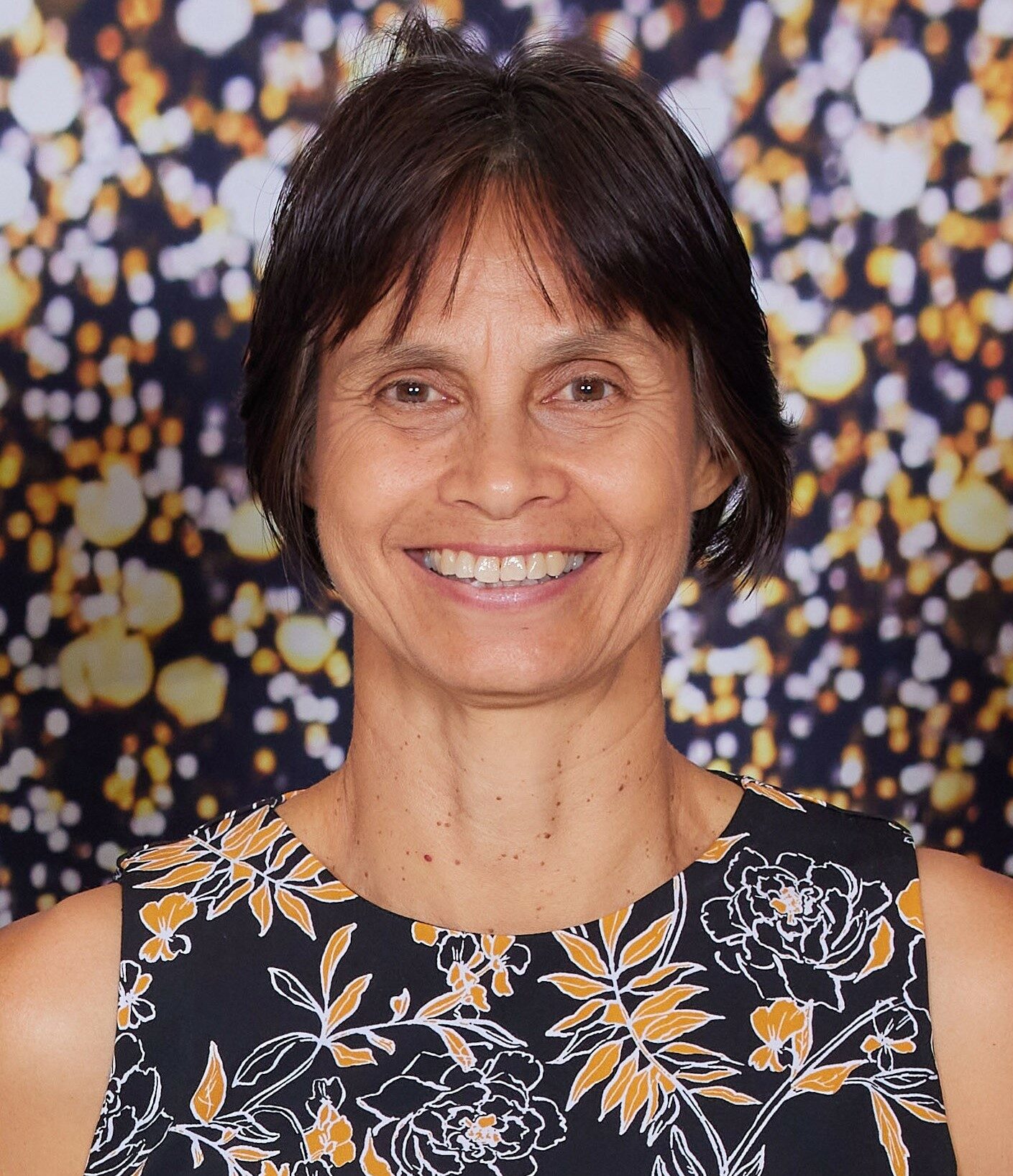
Gangalidda and Birri Gubba Bindal woman and Executive Director of Education & Training at TAFE Queensland North, Leanne Bell, shared her experiences in creating supportive programs for First Nations students.
Ms Bell highlighted the Yarning for Growth program, which connects Indigenous students with mentors to support their academic and personal development.
"We have a program called Yarning For Growth, which is a mentoring program," she explained.
"Students can tick a box where they will be linked up with an Indigenous mentor."
The program is particularly beneficial for students coming from remote regions, offering them guidance and a sense of connection.
TAFE Queensland also runs the Student Voice initiative, where students provide feedback on their experiences, helping the institution improve cultural understanding and student satisfaction.
"Students will come together and provide feedback to us about the course they are studying, what their experience is, and what we can do to improve," Ms Bell said.
"It covers a range of things, from better food to cultural capabilities."
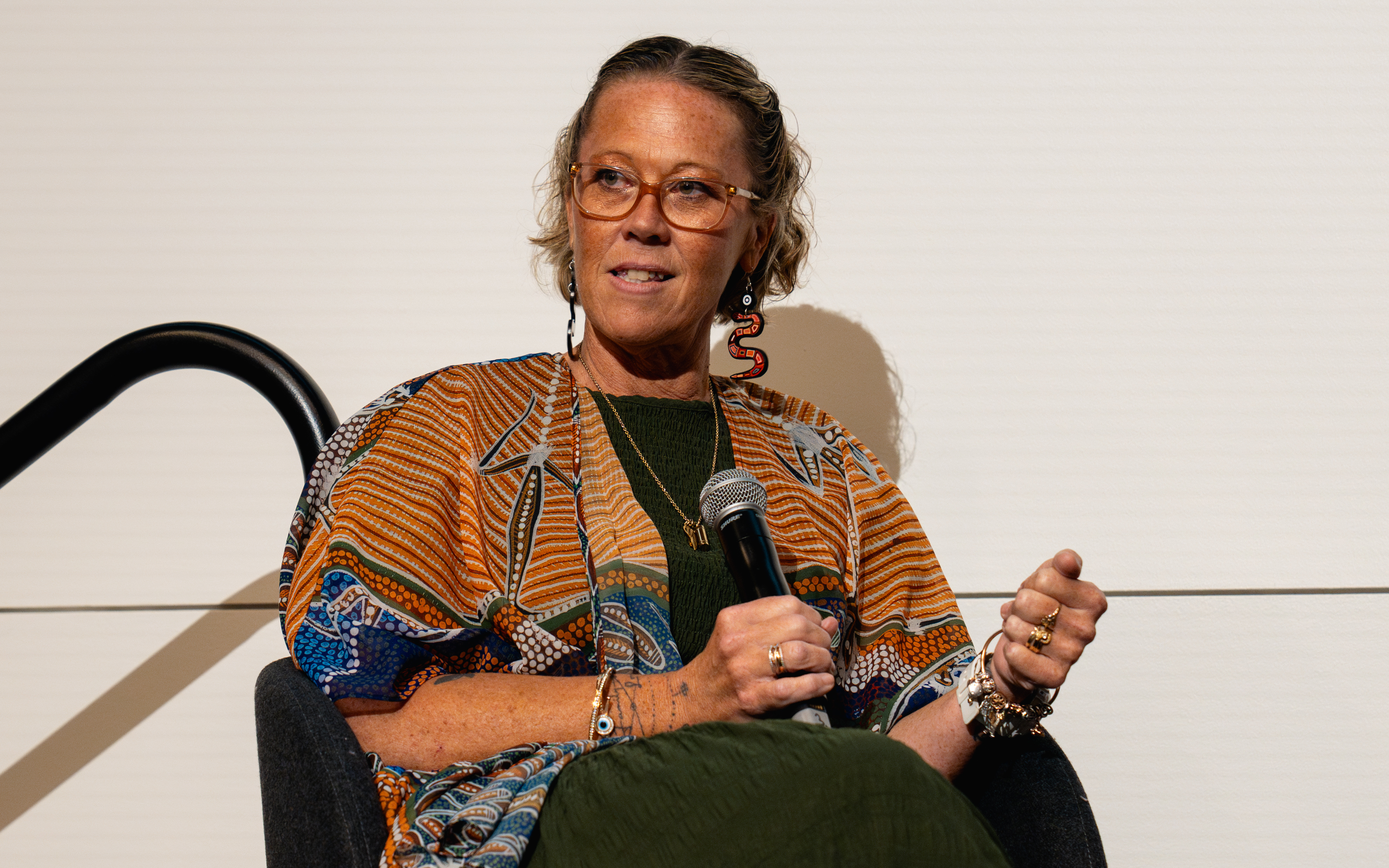
Anja Bonnard, National Indigenous Engagement Manager at Veolia, discussed the importance of inclusive employment pathways for Indigenous youth, especially those who have experienced barriers to employment.
Ms Bonnard shared the success of Veolia's Future Forward program, which provides vocational training and job placement for First Nations people.
"Future Forward offers a unique and comprehensive 3-month vocational training experience," she said, explaining that the program focuses on practical, on-the-job learning.
Participants in the program receive training in fields such as diesel mechanics, finance, and logistics, along with ongoing mentorship to support their career growth.
Ms Bonnard described how partnerships with organisations like the Waalitj Foundation have enabled Veolia to open doors for Indigenous youth, including those with criminal records.
"The biggest partnership was with the Waalitj Foundation," she said.
"They told me they have two mature age students that have to do a month's worth of work experience."
This partnership allowed Veolia to offer apprenticeships and traineeships to individuals who had previously struggled to find work due to their criminal backgrounds.
"We've now created Future Forward – we've had 14 First Nations youth come through," Ms Bonnard said.
"Because some of them have a criminal record, they found it hard to get jobs."
Veolia's commitment to providing second chances has made a significant impact, creating career opportunities for those who often face additional challenges in the job market.
"What's good is that I've got Veolia to look past police records," she added.
The session underscored the importance of tailored, culturally sensitive programs in building positive futures for young First Nations people.
Through mentorship, culturally integrated education models, and inclusive employment programs, these leaders are creating pathways that not only provide skills and opportunities but also strengthen cultural identity and resilience.



