


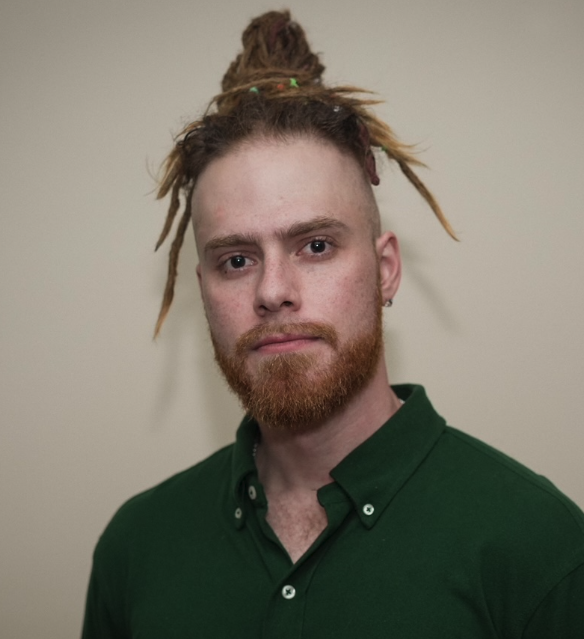

The National RAP Conference 2024, held in Meanjin (Brisbane) featured an array of keynote speeches, panels, and breakout sessions aimed at empowering attendees with the tools to advance reconciliation within their own communities and organisations.
A primary focus on Day One was the urgent need for reconciliation, with calls for stronger commitments to uphold the rights of Aboriginal and Torres Strait Islander people and prioritise truth-telling.
In her keynote address, Fiona Jose, Group CEO of Cape York Partnership, reinforced the need for action, highlighting the urgency of standing up for First Nations rights.
Following the keynote, the morning's plenary panel titled "Truth-telling – the Beating Heart of Reconciliation" explored the critical role of truth-telling in achieving a fair and reconciled nation.
Bundjalung woman, Erin Lang, chief executive of Reconciliation Queensland, opened with a powerful message on the importance of addressing historical injustices.
"Truth-telling to me is important because we have a huge injustice that has happened all across Australia, and we're spending all this time and money to fix it," she said.
"But we're not starting at the root of it.
"Our people deserve it, after everything and all of the promises that have been made."
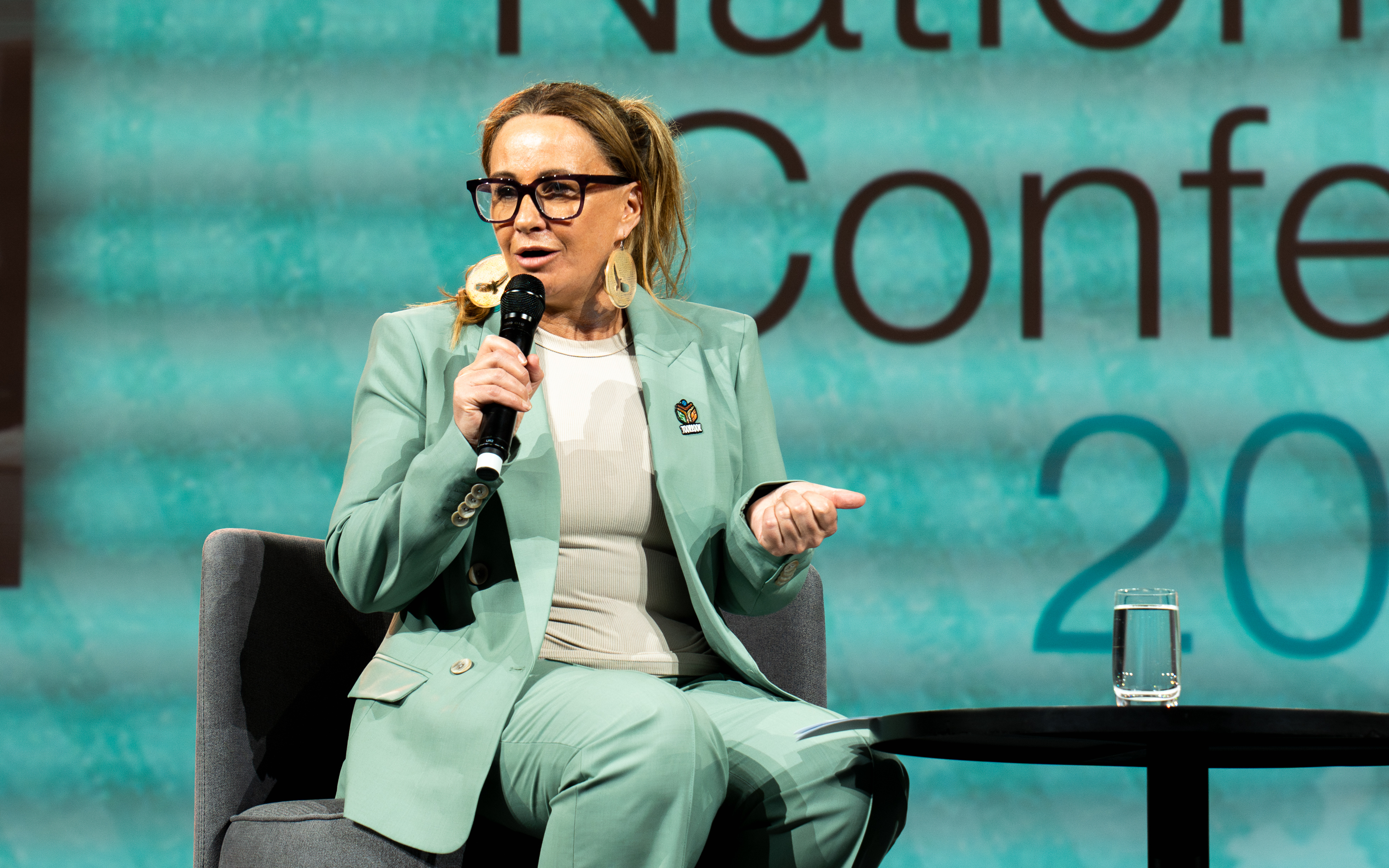
Sue-Anne Hunter, Deputy Chair of the Yoorrook Justice Commission, shared insights from Victoria's truth-telling journey, positioning it as a model for other regions.
"For us, we are more advanced in the truth-telling process," Ms Hunter said, referring to the work of the Yoorrook Justice Commission.
"History is always told by the oppressor, so we need our voices on the record."
She stressed the necessity of understanding the past to engage with present realities.
"This is our past, and if you don't understand the past, how do you understand the present?" she asked.
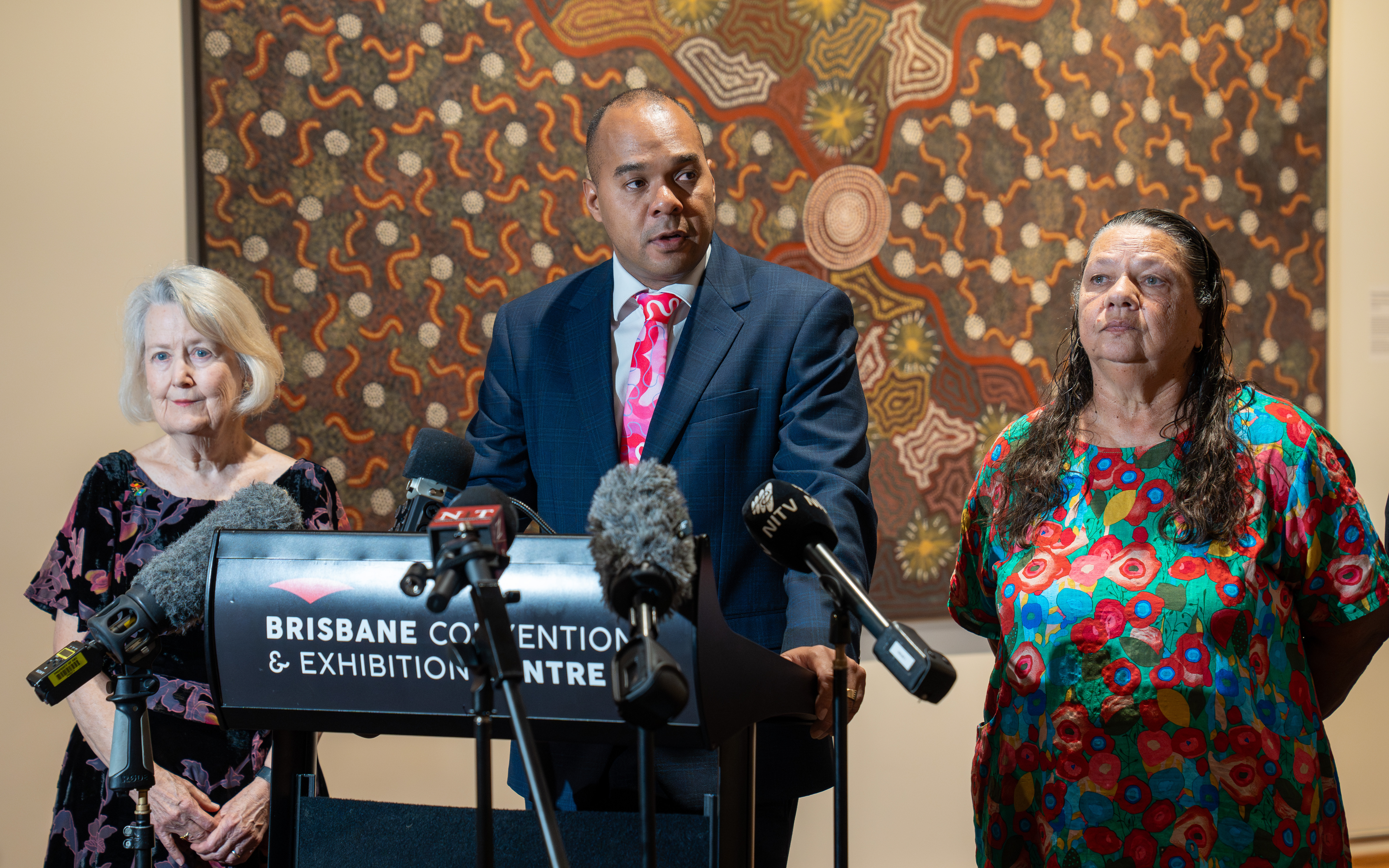
The day also included a press conference with Joshua Creamer, Chairperson of Queensland's Truth-Telling and Healing Inquiry.
Mr Creamer addressed the recent decision by the Queensland Government to pause the Inquiry, confirming that it is now on hold with no alternate date set for its continuation.
Mr Creamer highlighted the impact of this pause, describing it as a "lost opportunity" for Queensland to confront its past and move forward.
"Ceasing the Inquiry's work in this way continues 165 years of government failing to listen to Aboriginal and Torres Strait Islander peoples," he said.
"This is the last chance for many of our Elders to share their stories before they are lost forever."
Despite earlier commitments from Premier Crisafulli to approach the issue with "respect and decency," Mr Creamer said he has yet to hear directly from the Premier.
"It hurts a lot of people, not just the staff but people across the state," he said, adding that his team is "anxiously waiting to get out to communities to talk to them face to face about the consequence of this decision."
An update revealed that Minister Fiona Simpson, who was scheduled to meet with Creamer, postponed the meeting indefinitely, citing the need for further advice.
The first day wrapped up with a film screening of "You Can Go Now," profiling the work of activist and artist Richard Bell, whose confrontational art challenges colonial institutions and highlights Indigenous rights.
As the conference continued into Day Two, economic justice and anti-racism emerged as central themes.
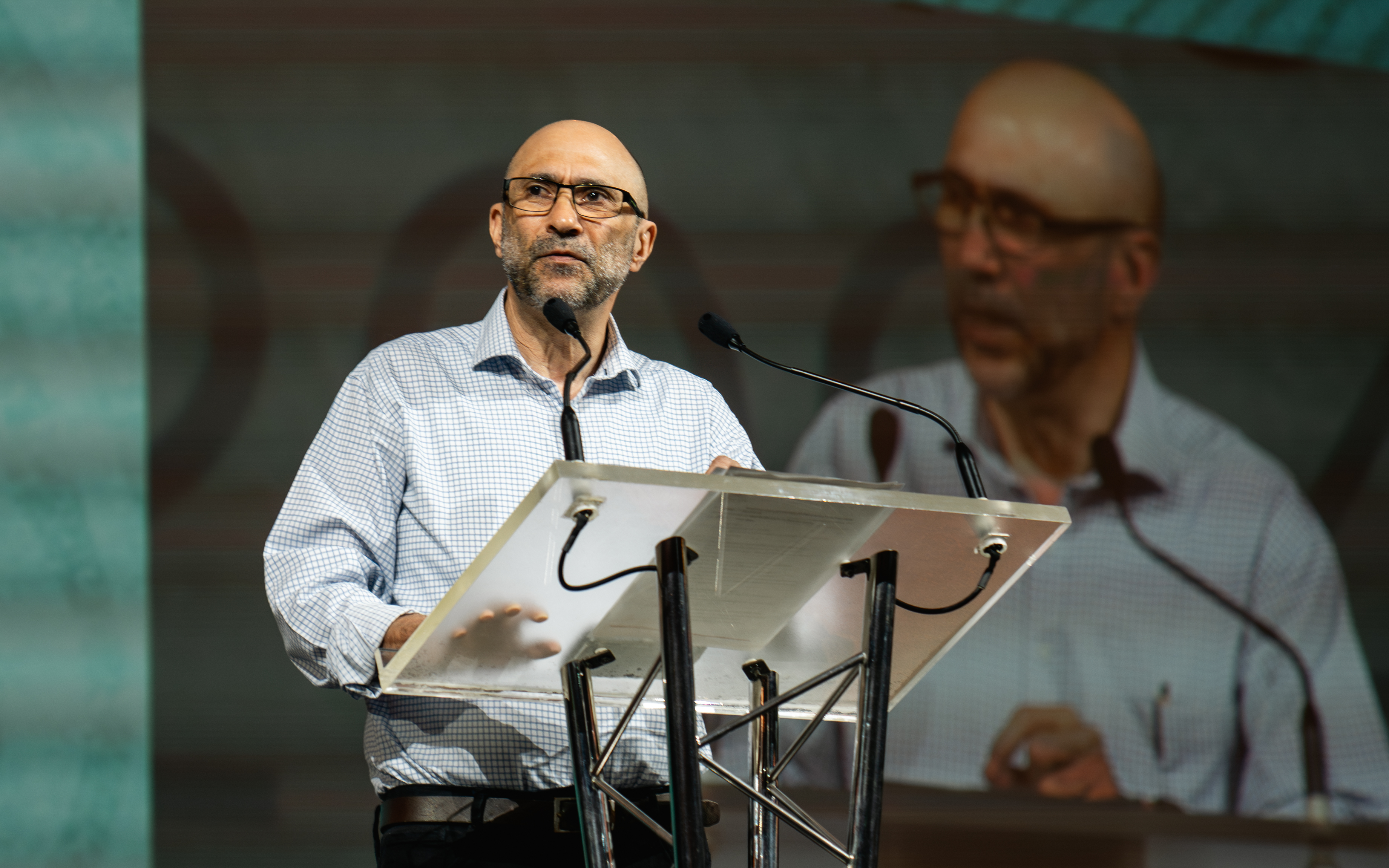
Yorta Yorta man and Chair of the Indigenous Land & Sea Corporation, Ian Hamm, addressed the role of the economy in advancing equity and self-determination for First Nations people.
"The economy is going to play a bigger role in our road to equity and our road to self-determination," Mr Hamm said.
"The Aboriginal business sector is worth about $16.1 billion to the Australian economy and it pays $4.2 million in wages, think about that."
He urged conference attendees to consider ways their organisations can uplift Aboriginal communities beyond RAP initiatives.
"A fundamental question I want you to take back to your Senior Executives, as responsible Australian corporate entities, 'what can we do to use the economy to uplift Aboriginal people?'"
Vonda Malone, a Torres Strait Islander from Erub and Thursday Island, echoed this sentiment by sharing her experiences on the importance of self-determination in the Torres Strait.
"Self-determination has always been a part of our history in the Torres Strait, starting from 1936," Ms Malone said.
"Every community has their own plans of self-determination."
Day Two also featured a crucial plenary panel on systemic racism, featuring Tanya Denning-Orman, Hayley McQuire and Trent Wallace, who described racism as a "wicked problem."
"When we think about racism and the way it plays out - it involves that colonial load, where we're tasked with arranging the morning teas but not at the decision-making tables," Mr Wallace said.
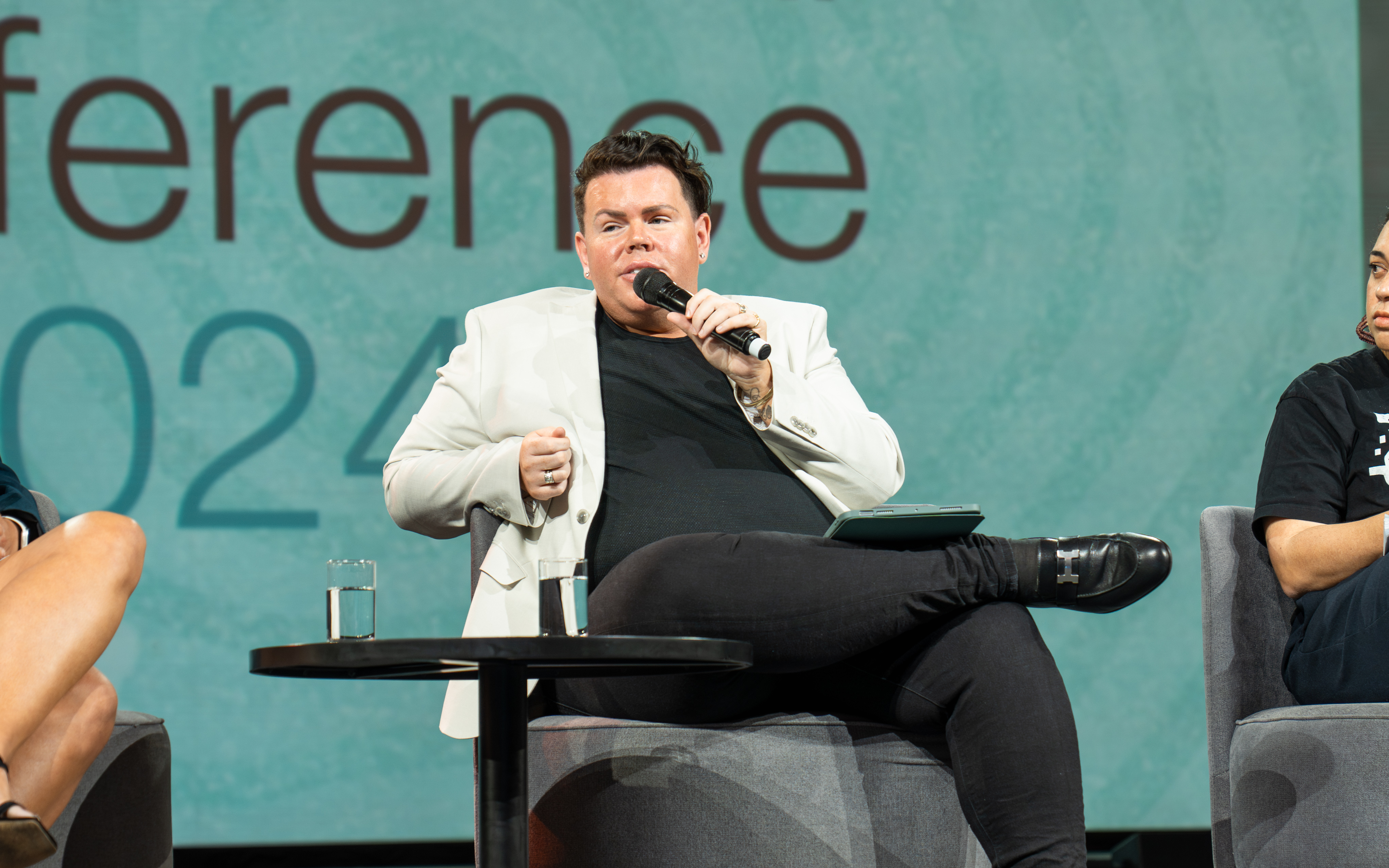
He emphasised the duty of workplaces to protect their First Nations staff, urging allies to take action.
"Workplaces have a strong positive duty to protect their First Nations staff, and to all of their allies, I encourage you to investigate what Gari Yala is," he said, referencing the initiative that examines the experiences of Indigenous employees.
"It is the underpinning of the Aboriginal experience across Australia," he added.
The conference also provided attendees with opportunities to engage in smaller sessions on topics such as Indigenous cultural protocols, the impact of cultural learning, and youth justice reform.
Each session highlighted practical ways for organisations to implement change and support reconciliation, emphasising the importance of tailored approaches that reflect the diverse needs of Aboriginal and Torres Strait Islander communities.
As the conference concluded, it was evident that the calls for urgent action, economic equity, and truth-telling set a firm agenda for attendees to continue advocating for change within their spheres of influence.



