




An industry roundtable focusing on food security in Central Australia has said there needs to be an improvement in the supply chain "from freight to fridge" to better support affordable groceries in remote Australia.
Attended by more than 30 people from the grocery, transport, and freight industries, as well as federal Opposition spokesperson for Indigenous Australians and NT senator Jacinta Nampijinpa Price, and federal Labor MP Marion Scrymgour, the Alice Springs Remote Food Security Roundtable noted a basket of essential groceries that costs an average of $44.70 in the cities can cost up to $99.38 in remote Territory communities.
Data from the National Indigenous Australians Agency found remote stores are the primary food source for around 150,000 people in 1,200 isolated communities. While four per cent of the population across Australia experiences food insecurity, this rises to seven per cent in remote areas and 51 per cent for Aboriginal remote households.
Earlier this year, the government announced a policy to make 30 essential items in 76 remote community stores across Australia the same as in cities and boost warehouse capacity to make remote community supply chains less vulnerable. It is part of a 10-year National Strategy to improve food security in remote First Nations communities as well as increase access to affordable and nutritious food.
"We know that remote First Nations communities are disproportionately impacted by food insecurity," Indigenous Affairs minister Malarndirri McCarthy said last month.
Developed in partnership with State and Territory Governments, Aboriginal and Torres Strait Islander Community-Controlled Health Organisations and Aboriginal and Torres Strait Islander communities, it is the first coordinated national approach to address food insecurity and improve health outcomes for remote Indigenous communities.
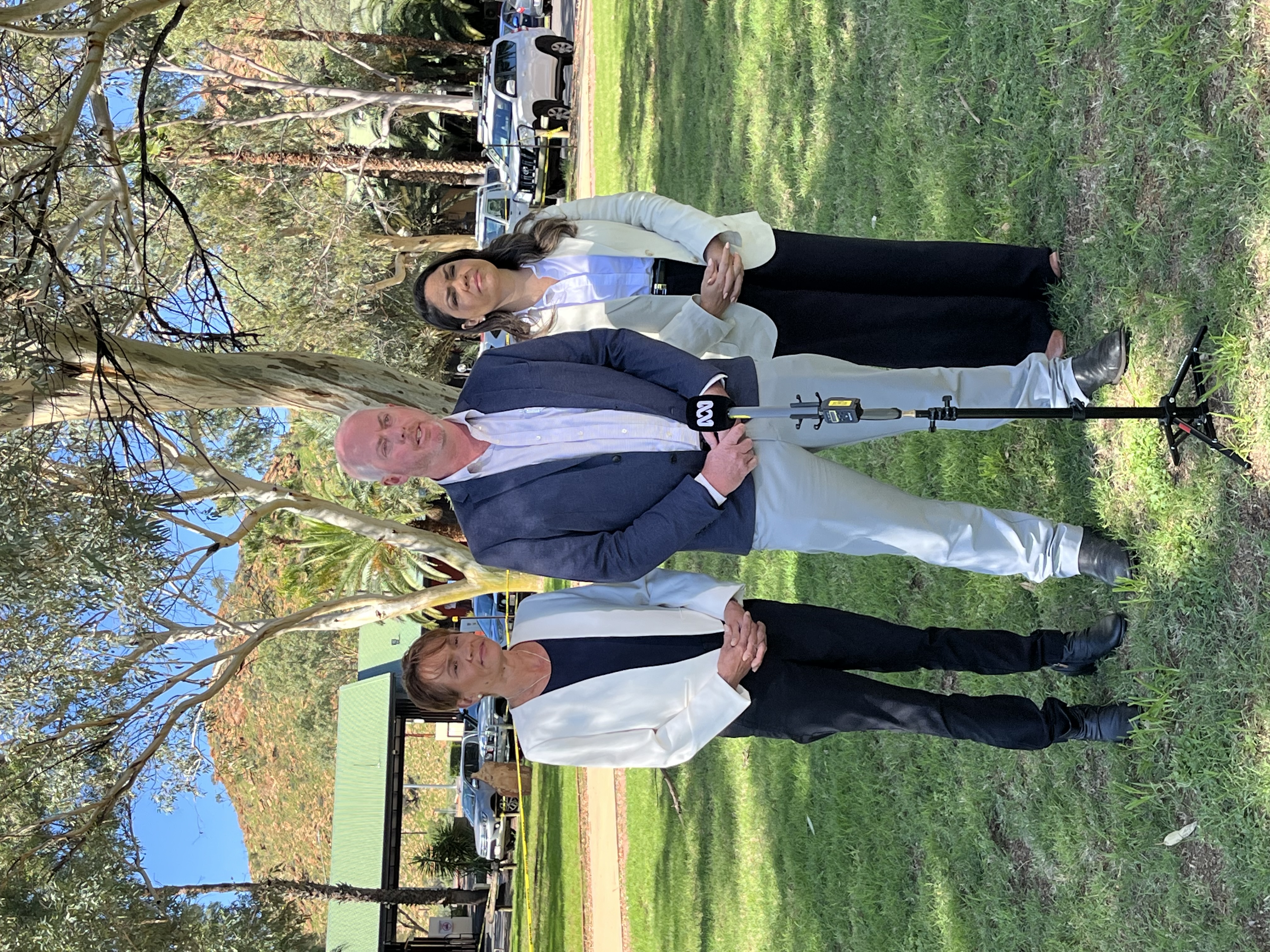
Speaking to reporters on Tuesday, Senator Nampijinpa Price said the Coalition didn't believe the cost of items would be reduced.
"They don't know they are going to do that," she said, arguing the National Indigenous Australians Agency (NIAA) couldn't give her a "clear answer".
A communique from the roundtable said that whilst there was a consensus on the need for "bipartisan support for policies supporting more secure, cheaper food in remote stores," there wasn't bipartisan support on the way this could be achieved.
There was also a lack of consensus on the government's current proposal, and outback stores have said there is no intention to expand the subsidy to more than 30 grocery items.
"Remote Australians are feeling the brunt of the cost-of-living crisis, often paying twice as much for food, and we need a better solution," the chair of the Central Australian Committee of the NT Chamber of Commerce, Brad Gaddes, said.
He said the roundtable was "very productive" but noted the industry had expressed "its concerns with the current policy of subsidising 30 grocery items in 76 stores".
The original government strategy was developed through extensive engagement. Throughout 2024, there were 21 face-to-face community consultations in remote communities with 378 participants, 10 face-to-face regional forums with 128 participants, and 44 online submissions.
Last month, the National Aboriginal Community Controlled Health Organisation (NACCHO) chief executive Pat Turner said the new Strategy was a "vital step" towards ensuring all remote communities didn't have to live with the reality of food insecurity.
"Food security is not just about access – it's about equity, affordability, and building a strong workforce that supports long-term solutions," she said.
However, the roundtable said government consultation over remote food prices includes a wider range of people from across the industry, with outback stores calling for greater participation in the Food Security Working Group, including freight and grocery companies.
"We need to improve the supply chain from freight to fridge in order to support cheaper groceries in remote Australia," Mr Gaddes said.
"What we don't want is a system that picks winners and dictates what tries to unduly influence what people can and cannot eat. All Australians living remotely deserve access to cheaper food."
Speaking alongside the Coalition's candidate for Lingiari, Lisa Siebert, Senator Nampijinpa Price said whilst everyone in the country was doing it "tough" during the cost-of-living crisis, those living in regional and remote communities were especially impacted.
Noting the costs are already high before things like an emergency can hinder supply even further, Senator Nampijinpa Price added: "It's really important to understand how we can improve this situation, but we won't know unless we speak to those who are a part of the industry who provide that service."
Speaking after the roundtable, the National Rural Health Alliance (NRHA) urged all political parties and candidates to commit to ensuring rural, regional and remote communities have access to affordable and fresh food.
"About 90 per cent of the food we eat comes from rural Australia. We need to ensure that they receive dividends from their hard work. Yet, people in rural areas die 13.6 years earlier than those in urban areas. Food security is vital to make sure they live longer and live healthily," NRHA Chief Executive Susi Tegen said.
"It is concerning that the newly announced government's scheme on food security in rural Australia has chosen to subsidise only 30 products in 76 remote stores. This leaves out a huge section of rural communities who struggle every day with the rising cost of living, environmental impacts and worse health outcomes than urban areas."



