



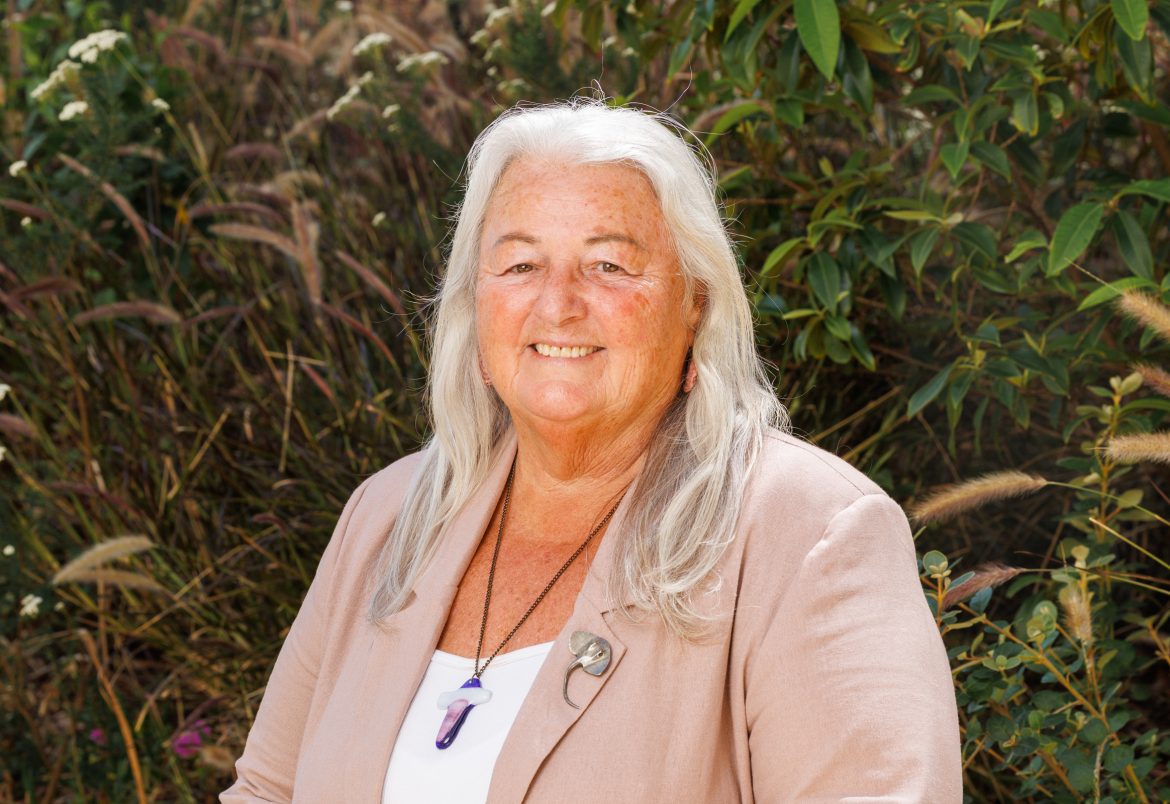
Worimi Guringay and Wonnarua Elder Dr Elizabeth McEntyre was one of four people recognised for their contributions to mental health research, advocacy and support at the 2026 Australian Mental Health Prize, announced at UNSW Sydney.
Dr McEntyre won the Aboriginal or Torres Strait Islander category for her work improving the mental health and wellbeing of Aboriginal and Torres Strait Islander people.
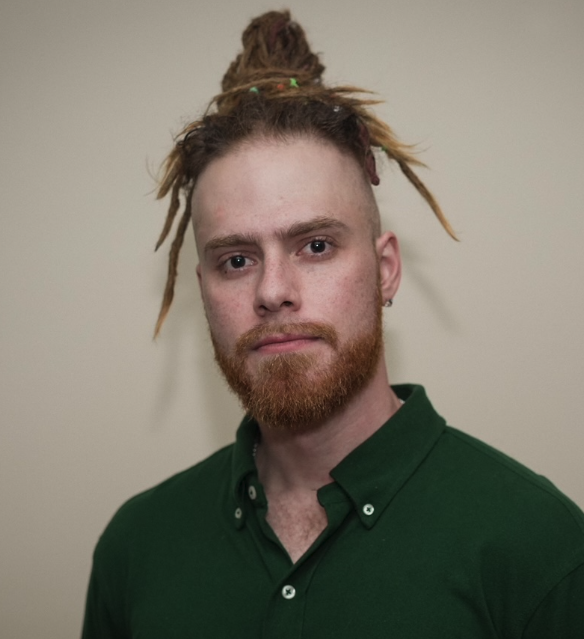
Lived experience leader Michael Elwan won the Lived Experience category, women's mental health researcher Professor Jayashri Kulkarni AM received the Professional award, and community mental health advocate Luke Baker was recognised as Community Hero.
Presented by UNSW Psychiatry & Mental Health, the Black Dog Institute and Neuroscience Research Australia, the annual prize recognises contributions to promoting mental health and preventing or treating mental illness.
Now in its eleventh year, the prize recognises achievement across four categories, bringing together work in research, professional practice, community support and lived experience.
Dr McEntyre, a researcher and social worker, has spent much of her career working to change systems that have disadvantaged and marginalised Indigenous people in Australia.
Her work spans criminal justice, mental health, disability and ageing, with a focus on connecting services and recognising the relationships between these areas.
The award came as a surprise to Dr McEntyre, who welcomed recognition of that approach.
"It meant a lot to know that people recognised the work I've been doing for years and the way I've tried to connect different areas — from criminal justice to Aboriginal ageing and aged care, and healthy Country growing healthy communities," she said.
"For me, these things aren't separate.
"I've always worked deliberately to connect systems that are designed to segment Aboriginal individuals, families and communities."
A focus of her research and advocacy has been addressing inequities experienced by Aboriginal people in criminal justice and forensic mental health systems.
She has championed culturally responsive models of care developed with communities and is working on care navigation services to support Aboriginal people eligible for mental health court diversion.
Dr McEntyre has held leadership roles in the Commonwealth and NSW public service and Aboriginal Community-Controlled Organisations.
She also serves on the NSW Mental Health Review Tribunal and advises governments, universities and peak bodies on embedding cultural knowledge and lived experience into research, policy and service delivery.
Her relationships with Aboriginal individuals, families and communities have developed over years through trust, cultural integrity and professional integrity.
Dr McEntyre acknowledged the people who had welcomed her into their lives and entrusted her with their stories.
"I want to thank sincerely the Aboriginal individuals, families and communities who have willingly let me into their lives," she said.
"In doing so, they have refused to let their stories be known and written by outsiders."
"Being given the cultural authority to understand and help carry those stories is something I honour and never take lightly."
Assistant Minister for Mental Health and Suicide Prevention Emma McBride congratulated the four winners and recognised their contributions to supporting Australians through challenging periods of their lives.
If this story has raised issues for you or someone you know needs support, there are services available:
13YARN: 13 92 76
Lifeline: 13 11 14.
Suicide Call Back Service: 1300 659 467.
Kids Helpline: 1800 551 800.
In an emergency, call triple zero (000).



