



A new pilot program across the Northern Territory's Big Rivers region is aiming to reshape how children and young people heal from trauma, placing culture, community and trust at the centre of the response.
Delivered through a partnership between Katherine West Health Board, Sunrise Health Service, Wurli-Wurlinjang Health Service and NT Health, the Big Rivers Healing for Children and Young People project has been established to support children and young people impacted by child sexual abuse.
The initiative builds on the success of the Healing for Our Mob program launched in 2024 and has been funded by NT Health with guidance from the National Centre for Action on Child Sexual Abuse.
While child sexual abuse remains one of the most difficult and sensitive issues facing communities, those involved in the project say healing cannot come from clinical services alone. Instead, the model has been designed around culturally secure and trauma-informed care that works alongside families, Elders and communities rather than outside of them.
The pilot will focus on communities including Lajamanu, Ngukurr and Numbulwar, where trusted local health services will provide support pathways for children and families.
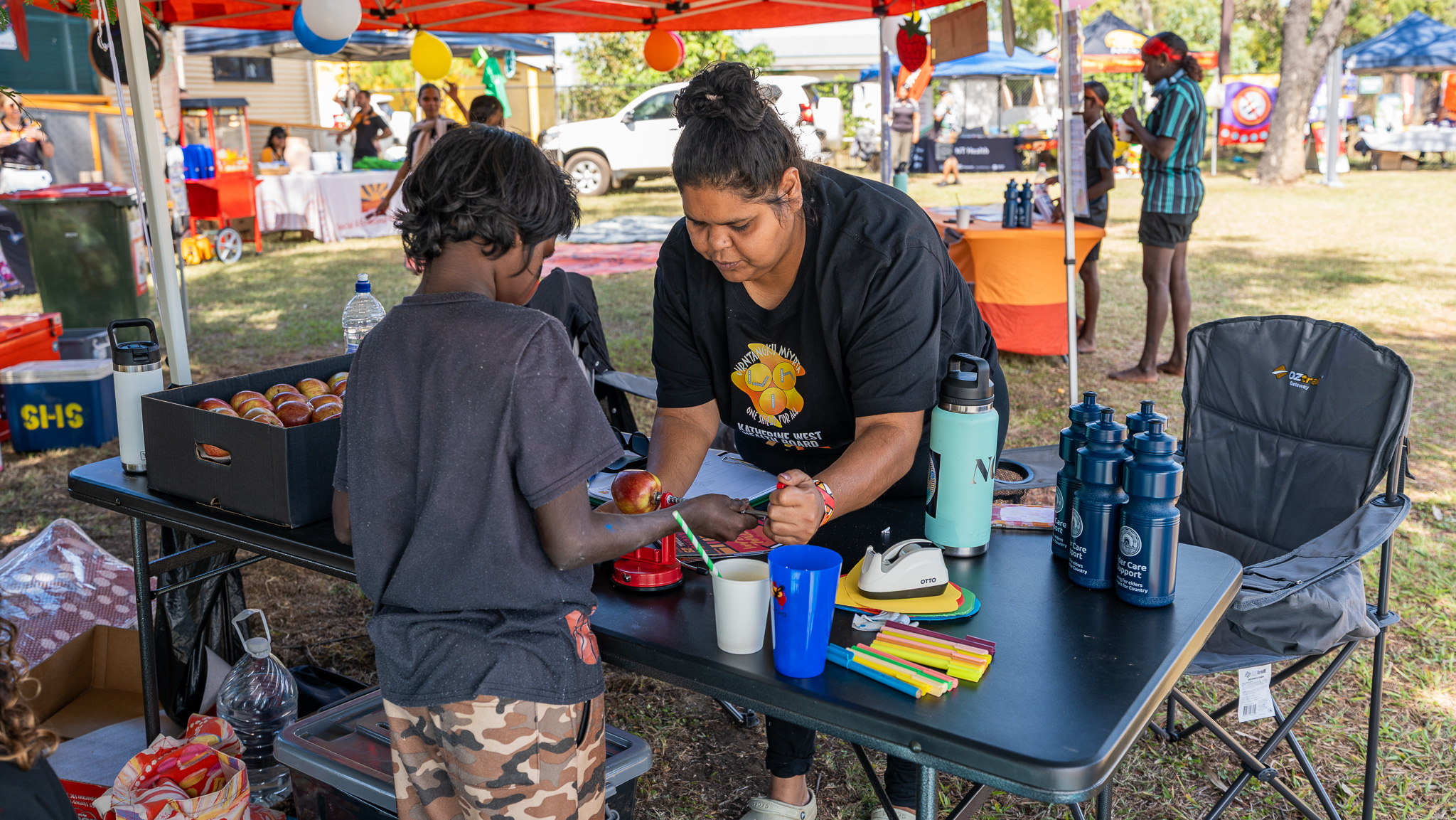
Based in Katherine, a dedicated Healing for Children and Young People Social Worker will regularly travel to remote communities to provide on-Country counselling and therapeutic support tailored to the needs of individual children and young people.
Importantly, the project has been designed to work collaboratively across existing systems. The social worker will partner closely with primary healthcare clinics, specialised services and community programs to coordinate care and provide integrated healing, support and education.
Beyond direct counselling, the initiative also aims to strengthen the broader regional response to child sexual abuse. Secondary consultation, professional advice and workforce support will be available to health and service providers working with children and families throughout the wider Big Rivers region.
The project will also help build the capacity of workers to better identify and respond therapeutically to children and young people experiencing abuse.
A major focus of the program is ensuring healing pathways are grounded in culture. Traditional healing practices and cultural knowledge will sit alongside therapeutic support, with Elders, traditional peacekeepers and healers consulted throughout the process.
The project also seeks to strengthen consistent child-safe, trauma-informed and culturally secure referral pathways across the region.
Wurli-Wurlinjang Health Service chief executive Nathan Rosas said the project reflects what communities have long been asking for.
"Our communities have long called for culturally grounded responses that recognise the role of family, Elders and local leadership in healing," he said.
"This partnership builds on that strength and ensures children are supported in ways that respect culture and community authority."
Katherine West Health Board CEO Sinon Cooney said the initiative responds to one of the region's most serious challenges and highlights the importance of long-term partnerships in supporting healing.
"This project responds to one of the most serious and sensitive challenges our region faces. Healing from child sexual abuse requires more than clinical intervention; it requires trust, cultural safety and strong partnerships," Mr Cooney said.
"We are proud to stand alongside Sunrise, Wurli and NT Health to deliver a model that places children, families and culture at the centre of healing."
Mr Cooney said the project represents a long-term commitment to strengthening child safety and wellbeing across the region.
"This work is about building safer futures for the children in our region. It is about listening to communities, walking alongside families, and ensuring that healing is accessible, culturally secure and sustained," he said.
At its core, the project reflects a growing recognition that healing in Aboriginal communities must be community-led, culturally grounded and built on relationships of trust. In remote regions where access to specialist services can often be limited, programs like this aim to create pathways that are not only accessible, but safe, familiar and shaped by the voices of the people they are designed to support.



