


The powers of any voice to parliament in the constitution can be limited by Australian legislation and lawmakers will remain supreme, one of the nation's eminent legal minds says.
Former High Court chief justice Robert French will address the National Press Club on Friday on the voice in a bid to dismiss fears the advisory body will invite multiple legal challenges, declaring it "constitutionally sound".
The third clause of the amendment means the body cannot overpower parliamentarians, he says.
The clause says "the parliament shall, subject to this Constitution, have power to make laws with respect to matters relating to the Aboriginal and Torres Strait Islander voice".
This means lawmakers will be able to decide who makes representations and how they are made, Mr French argues in an advanced copy of his speech published in The Australian.
"As an advisory body, there is little or no scope for successful litigation associated with its work," he said.
"Neither parliament nor the executive can be legally bound by the constitutional change to do what the voice may suggest."
But the argument didn't fly with Liberal senator Kerrynne Liddle who said legal minds had differing views about the broadness of the wording.
"What was really clear from (a parliamentary committee) was that the risk seemed to be unquantifiable," she told ABC TV.
The concerns were ignored by Labor who proceeded with the same wording anyway, the South Australian senator argued.
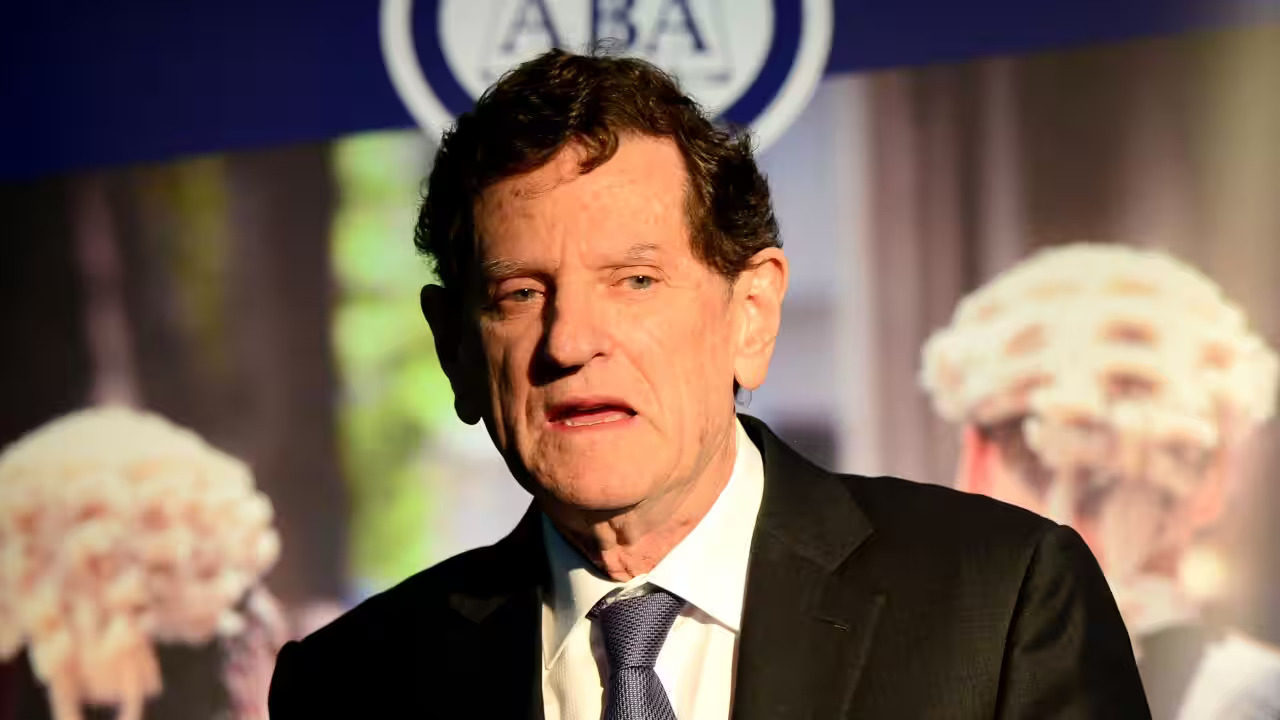
"It is not just the question that people are being asked, it is about the impact of the words on the Australian constitution and by default, the Australian people," she said.
There was a lot of misinformation about what the voice would do and what it would cost, the prime minister said on Friday.
An Indigenous voice to parliament would bring people together, not divide the nation and save taxpayers money, Anthony Albanese said.
"This will actually save money," he told Brisbane radio station B105.
"What you'll get if we listen to people is more efficiency, you'll get the dollars going to where they should go.
"This is about helping a group of Australians - three per cent of Australians - it won't have a direct impact at all on non-Indigenous Australians directly."
Asked by a listener whether creating a specific body for Indigenous Australians in the constitution would divide the nation, Mr Albanese said it would not.
"The idea of this is to work together to bring the country together," he said.
"If it comes up with a good idea, then governments should adopt it ... when we listen to people who are directly affected by an issue, we get better outcomes."
This morning I answered questions about the Voice from callers on air in Brisbane.
By recognising and listening to Indigenous Australians we will get better results and improve lives.
And the Voice will save us money. It will cut waste by investing in things that work. pic.twitter.com/21NUhmcxBz
— Anthony Albanese (@AlboMP) October 5, 2023
But Opposition Leader Peter Dutton continues to argue the voice proposal lacks detail and that people who want to help Indigenous Australians will be forced to vote 'no' if their questions go unanswered.
"It just makes people, I think, more reluctant - tradies and others who are saying, 'I want to help Indigenous people but the prime minister is not putting the detail out there, so I don't understand it, I am not voting for it'," he told Nine's Today program.
If the referendum is successful, the voice would be a permanent but non-binding advisory body that would be able to make representations to the parliament and the government.
The voice referendum will be held on October 14.
Dominic Giannini - AAP



